
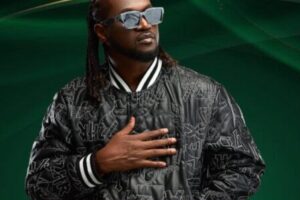


Senate President Godswill Akpabio, in a deeply solemn gesture, announced his arrival in Vatican City on Friday as the head of Nigeria’s five-member delegation to the burial of Pope Francis. The symbolic presence of Nigeria’s highest-ranking legislative officer underscores the country’s attempt to reinforce its diplomatic and interfaith connections with the global Catholic community. However, the gravity of this visit has been met with mixed reactions back home, sparking widespread conversations about the motivations behind the high-profile attendance.
Critics argue that the delegation’s composition—blending political figures and revered clergy—signals a controversial overlap between the state and religious institutions in Nigeria. In his official statement shared on Facebook, Godswill Akpabio wrote: “As the Leader of Nigeria’s delegation to the burial ceremony of Pope Francis, I paid tribute to our departed Pope, on behalf of President Bola Tinubu and the Nigerian People.” His message, while solemn, also raised questions about Nigeria’s domestic challenges and whether such international engagements should be prioritized over pressing national issues.
A State-Religious Delegation: Symbolism or Strategic Optics?
The presence of religious heavyweights such as Archbishop Matthew Hassan Kukah, Archbishop Ignatius Kaigama, and Bishop Lucius Iwejuru Ugorji alongside politicians like Godswill Akpabio and Bianca Odumegwu Ojukwu has ignited conversations about the subtle politics behind Nigeria’s Vatican visit. While many laud the unity of church and state representatives in honoring a global religious icon, others argue that this is more optics than genuine diplomacy.
The blending of political and spiritual figures has stirred heated debates across Nigeria’s secular and religious spectrum. Analysts suggest this is a strategic move to win the favour of the nation’s influential Catholic bloc. Critics caution that such state-sponsored pilgrimages blur the lines between governance and spiritual leadership, potentially compromising Nigeria’s constitutional stance on religious neutrality.
Pope Francis’ Death: A Vacuum of Global Catholic Leadership
The sudden demise of Pope Francis sent shockwaves through the global religious community, triggering a cascade of international tributes. In Nigeria, the news was met with both mourning and political calculation. Pope Francis, a pontiff renowned for his progressive stances and global humanitarian outreach, held a unique position in shaping discourse on migration, inequality, and peace—issues that resonate strongly with Nigeria’s complex socio-political climate.
Godswill Akpabio’s attendance, therefore, serves dual purposes—mourning a revered spiritual figure and signaling Nigeria’s intent to remain visible on the global religious stage. However, detractors point out that such symbolic gestures do little to address deep-rooted domestic issues such as insecurity, poverty, and religious intolerance within Nigeria itself. The contrast between Nigeria’s external diplomacy and internal realities has not gone unnoticed by political observers.
Bianca Ojukwu’s Inclusion: A Nod to Political Nostalgia
Bianca Odumegwu Ojukwu’s inclusion in the Vatican-bound delegation raised eyebrows, rekindling memories of her late husband Chukwuemeka Odumegwu Ojukwu’s controversial political legacy. Her presence, while representing the Ministry of Foreign Affairs, has been viewed by some as a calculated revival of the Ojukwu political brand, cloaked in diplomatic respectability.
Many Nigerians have questioned the relevance of her role in this delicate religious mission. While her background as a former ambassador to Spain provides her with diplomatic credentials, critics argue that her involvement reflects the government’s penchant for symbolic representation rather than functional diplomacy. The optics suggest a preference for familiar political faces over professionally suited envoys.
Godswill Akpabio: Vatican Diplomacy vs. Nigeria’s Fragile Religious Landscape
Nigeria is no stranger to religious tensions. From deadly clashes in Plateau and Kaduna to rising suspicion between the North and South, the country’s fragile religious equilibrium remains a sore point. Against this backdrop, the Vatican visit carries undertones of contradiction. While Godswill Akpabio and others pay respects to a revered Christian figure abroad, countless Nigerians continue to suffer from religious violence at home.
Some clerics and civil rights groups have condemned what they call “religious tourism” at the expense of real policy action. They argue that true interfaith respect should begin at home, where Christian and Muslim communities alike grapple with distrust and unequal representation. By investing more in symbolic global diplomacy than in substantive domestic peacebuilding, the government risks deepening existing fractures within the nation.
Tinubu’s Diplomatic Gamble or Genuine Condolence?
President Bola Tinubu’s decision to appoint a high-powered delegation to the Vatican has sparked theories about his broader diplomatic strategy. Some believe this move is part of a calculated attempt to cleanse his administration’s image and soften international criticism over Nigeria’s handling of human rights, religious freedoms, and press suppression. Others view it as a sincere gesture of respect for a global moral compass.
Godswill Akpabio’s eloquent tribute may resonate with Catholic faithful, but the broader Nigerian audience remains divided. The nation continues to grapple with inflation, mass unemployment, and insecurity—issues that many feel deserve more urgent attention than international funeral processions. Whether Tinubu’s Vatican diplomacy will yield meaningful benefits or backfire politically remains to be seen, but one thing is clear: the burial of Pope Francis has become more than a global religious event—it has become a mirror to Nigeria’s complex socio-political soul.
Table of Contents
Discover more from OGM News NG
Subscribe to get the latest posts sent to your email.