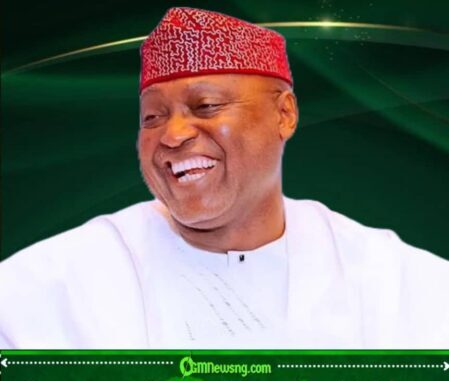








Olanipekun Olukoyede, the Chairman of the Economic and Financial Crimes Commission (EFCC), recently disclosed that he turned down financial offers totaling nearly N500 million during his mother’s funeral in 2019. The revelation, made during the 38th Anti-Corruption Situation Room in Abuja, highlights the deep-rooted culture of financial inducements within Nigeria’s public sector.
Olanipekun Olukoyede emphasized that the money came in the form of cheques and bank drafts from prominent figures, including ministers, permanent secretaries, and directors of government agencies. Despite the financial burden of the funeral, he maintained his ethical stance, refusing to accept the funds. His decision underscores the ethical expectations placed on public officials, particularly those in anti-corruption agencies.
The Unusual Gifts: Cows and Cash Offers
Olanipekun Olukoyede painted a vivid picture of how gifts poured in, including an astonishing 17 cows, some of which were pregnant. Such extravagant funeral donations are customary in Nigerian society, but in this case, they appeared to be more than just cultural goodwill.
More striking was the box of cheques and drafts, which his security personnel handed him upon arrival. The financial gifts, disguised as condolences, raised immediate ethical red flags. Olanipekun Olukoyede noted that had he accepted the money, he could have faced accusations of compromising ongoing investigations within the EFCC. His refusal not only preserved his integrity but also highlighted the ethical dilemma many public officials face.
Potential Consequences of Accepting the Money
In a candid reflection, Olanipekun Olukoyede revealed that less than a year after the burial, he was placed under investigation. He pondered the consequences of having those cheques deposited into his account, particularly from government officials whose agencies were under EFCC scrutiny.
He questioned how he would have defended such transactions before an investigative panel. Given Nigeria’s political climate, where anti-corruption officials are often targets, he acknowledged that the funds could have been used as evidence against him. His decision to reject the money protected him from legal and reputational damage, reinforcing the importance of transparency in public service.
Auction Scandal: A Test of Integrity
Olanipekun Olukoyede also recounted a separate incident concerning an EFCC asset auction. As chairman of the committee overseeing the sale of forfeited properties, he ensured that his family members did not benefit from the process. His brother-in-law, an international auctioneer, applied to participate, but Olukoyede shredded his application to avoid a conflict of interest.
Similarly, when his elder brother requested a truck from the auction, he declined, stressing that EFCC rules prohibited family involvement. His refusal led to personal conflicts, but he remained steadfast in upholding institutional integrity. These actions illustrate his commitment to ethical leadership and non-partisan decision-making.
Suspension and Investigation: A Near Miss
Despite his ethical decisions, Olanipekun Olukoyede and his EFCC chairman were suspended in 2020, facing scrutiny over their operations. Investigators closely examined the Port Harcourt auction he supervised, searching for any signs of misconduct.
Had his brother-in-law’s name appeared on the auction list, Olukoyede speculated that he might have ended up in jail. His experience sheds light on the constant pressure and risks faced by Nigerian anti-corruption officials. By refusing compromising offers, he avoided entanglement in legal battles that could have derailed his career.
The Broader Implications for Nigeria’s Anti-Corruption Fight
Olukoyede’s revelations expose the systemic corruption challenges in Nigeria, where public officials often receive monetary inducements disguised as gifts. His refusal to accept such offers demonstrates a high standard of integrity, setting an example for others in public service.
The incident also highlights the difficulties faced by anti-corruption agencies in maintaining credibility. While his decision prevented potential legal troubles, it also illustrates why some officials succumb to financial temptations. If Nigeria is to win the fight against corruption, stronger institutional safeguards and ethical standards must be enforced across all levels of government.
Table of Contents
Discover more from OGM News NG
Subscribe to get the latest posts sent to your email.