





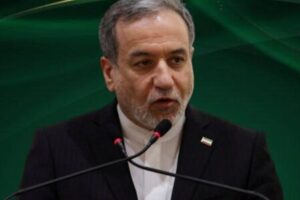




The government of Mali has officially criminalized same-sex relationships, implementing prison sentences of up to seven years for those found guilty. This newly enacted legislation, passed by the National Assembly, marks a turning point in the nation’s legal framework regarding LGBTQ+ issues. Prior to this law, Mali maintained a neutral stance, as same-sex relationships were neither explicitly outlawed nor legally protected. This shift reflects a significant departure from the country’s previously ambiguous position on LGBTQ+ rights.
Critics of the legislation argue that it undermines fundamental human rights and threatens to deepen social inequalities. Human rights organizations caution that the law could lead to increased discrimination, marginalization, and potential violence against LGBTQ+ individuals. Meanwhile, proponents within the government assert that the move aligns with the cultural and religious values of the Malian majority, presenting it as a necessary measure to preserve societal norms. The law has sparked heated debates, both domestically and internationally, over its implications for human dignity and equality.
Harsh Penalties for LGBTQ+ Advocacy
In addition to criminalizing same-sex relationships, the legislation includes a blanket ban on any form of LGBTQ+ advocacy. Activists or organizations promoting LGBTQ+ rights face severe repercussions, including hefty fines and imprisonment. The law explicitly forbids public demonstrations, publications, and other forms of support for LGBTQ+ causes.
This crackdown effectively silences dissenting voices and limits freedom of expression. International advocacy groups have condemned the law as an infringement on basic civil liberties, urging the Malian government to reconsider its position.
Public Reaction: Divided Opinions Across the Nation
Public opinion in Mali remains deeply divided over the new legislation. In urban areas, where liberal ideas are gaining traction, some citizens express concern about the potential erosion of individual freedoms. Meanwhile, rural communities, which often hold more conservative values, widely support the law as a defense of cultural and religious traditions.
The debate has also highlighted generational divides, with younger Malians voicing frustration over what they perceive as an outdated approach to governance. On social media, heated discussions reflect the growing tension between progressive ideals and traditional norms.
Global Condemnation and Calls for Intervention
The international community has swiftly responded to Mali’s legislative changes. Organizations such as Amnesty International and Human Rights Watch have denounced the new law, labeling it a violation of human rights. Several foreign governments have also expressed concern, warning that the law could damage Mali’s diplomatic relations and international standing.
Western nations have hinted at potential sanctions if the legislation remains in force. The African Union and the Economic Community of West African States (ECOWAS) have called for dialogue, emphasizing the need for policies that promote inclusivity and tolerance.
Impact on LGBTQ+ Individuals: A Climate of Fear
For Mali’s LGBTQ+ community, the new law has created an atmosphere of fear and uncertainty. Many individuals report feeling unsafe in public spaces, fearing harassment, arrest, or violence. Activists have described the situation as dire, with many considering fleeing the country in search of asylum.
The ban on advocacy further exacerbates the issue, as support networks and resources for LGBTQ+ individuals are now effectively dismantled. Mental health professionals warn of the long-term psychological effects of marginalization, urging the government to reconsider its stance.
Future Implications: Navigating a Contentious Path Forward
As Mali grapples with the implications of its new legislation, questions remain about the nation’s future trajectory. Analysts predict increased scrutiny from international organizations and potential economic consequences if sanctions are imposed. Domestically, the law could deepen societal divides, particularly among younger generations advocating for change.
The situation underscores the broader struggle between modernity and tradition in Mali. While the government aims to preserve cultural values, critics argue that progress and inclusivity should not be sacrificed. The coming months will reveal whether Mali stands firm on its decision or bows to mounting pressure for reform.
Table of Contents
Discover more from OGM News NG
Subscribe to get the latest posts sent to your email.