








The Nigeria Governors’ Forum (NGF) has reaffirmed its commitment to tax reform by approving a revised Value Added Tax (VAT) distribution formula and supporting the modernization of the country’s tax laws. The move, aimed at enhancing fiscal stability and ensuring equitable revenue distribution, has sparked nationwide debate, particularly in the northern region.
NGF Endorses Tax Reform, Proposes New VAT Formula
In a communique issued by its Chairman, Kwara State Governor AbdulRahman AbdulRazaq, the NGF emphasized the urgent need to reform Nigeria’s outdated tax framework. The statement, released in Abuja after a subnational consultation with the Presidential Tax Reform Committee, underscored the importance of aligning tax policies with global best practices.
One of the key highlights of the governors’ proposal is a revised VAT distribution formula, allocating 50% of VAT revenue based on equality among states. This adjustment seeks to address concerns over revenue imbalance and ensure a more equitable allocation of national resources. The NGF’s endorsement of the tax reform aligns with broader efforts by the Federal Government to overhaul Nigeria’s tax system for improved efficiency and transparency.
Federal Government Pushes Tax Reform Bills Amidst Opposition
Following the approval of the Federal Executive Council, President Bola Tinubu forwarded four tax reform bills to the National Assembly in October 2024. These bills—the Nigeria Tax Bill 2024, the Nigeria Tax Administration Bill, the Nigeria Revenue Service (Establishment) Bill, and the Joint Revenue Board (Establishment) Bill—are designed to streamline tax administration and boost government revenue.
However, the proposed reforms have triggered mixed reactions, particularly from northern political and economic stakeholders. Critics argue that some provisions, especially those related to VAT, could disproportionately affect states with weaker economic bases. This opposition has fueled calls for a more inclusive review process before the bills are passed into law.
Northern Leaders Reject Tax Bills, Call for Withdrawal
On October 29, the Northern Governors Forum officially opposed the proposed tax amendment bills, citing concerns about their potential impact on the welfare of their states. In a communique issued after a meeting with the Northern Traditional Rulers Council in Kaduna, the governors urged the National Assembly to reject any provisions that could undermine economic stability in the region.
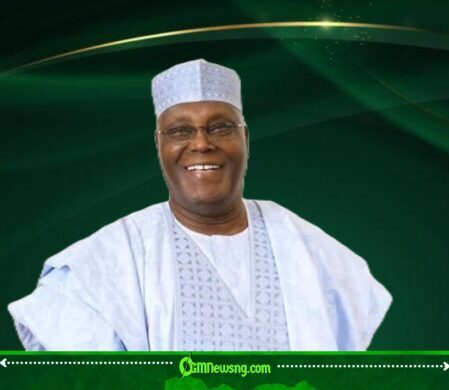
Further intensifying the opposition, the National Economic Council on October 31 advised President Tinubu to withdraw the bills from the National Assembly to allow for broader consultations. Prominent figures, including former Vice President Atiku Abubakar, Bauchi State Governor Bala Mohammed, Borno State Governor Babagana Zulum, and former Sokoto State Governor Aminu Tambuwal, have also raised alarms over the socioeconomic implications of the reforms, particularly for northern states grappling with poverty and security challenges.
Southern Leaders Rally Behind Tax Reform Bills
Several prominent Southern leaders and socio-political groups have expressed strong support for Nigeria’s tax reform bills, underscoring the need for fiscal modernization. Among those backing the proposed reforms are elder statesman and Pan Niger-Delta Forum leader, Chief Edwin Clark; Chairman of the South-West Governors Forum and Lagos State Governor, Babajide Sanwo-Olu; and former Bayelsa State Governor, Senator Henry Seriake Dickson. Additionally, the pan-Yoruba socio-political organization, Afenifere, has joined other advocacy groups in endorsing the reforms.
These stakeholders argue that the tax reform bills are necessary to enhance fiscal responsibility, improve revenue generation, and create a fairer tax system. Despite opposition from the northern region, the Senate passed the four tax reform bills for a second reading through voice votes in November 2024. The bills aim to restructure Nigeria’s tax laws and optimize revenue distribution among the federal, state, and local governments.
House of Representatives Suspends Debate Amid Northern Opposition
While the Senate moved forward with the tax reforms, the House of Representatives indefinitely suspended debate on the bills following strong opposition from the 19 northern governors. The decision to halt discussions was announced in a memo signed by the Clerk of the House of Representatives, Dr. Yahaya Danzaria, after 73 northern lawmakers openly rejected the proposals.
Critics from the northern region argue that the tax reforms, particularly the Value Added Tax (VAT) sharing formula, disproportionately favor states with higher economic activities, primarily in the South. As a result, they have called for broader consultations to ensure equitable fiscal policies. Responding to these concerns, the Chairman of the Presidential Committee on Fiscal and Tax Reforms, Taiwo Oyedele, has engaged stakeholders nationwide in an effort to build consensus and secure legislative approval.
Nigeria Governors’ Forum (NGF) Proposes Updated VAT Sharing Formula
Amid ongoing deliberations, the Nigeria Governors’ Forum (NGF) convened in Abuja on January 16, 2025, to discuss the tax reform bills. The forum endorsed an updated VAT sharing formula designed to address concerns about revenue distribution fairness. The new formula proposes that VAT revenue be allocated as follows: 50% based on equality, 30% on derivation, and 20% based on population.
In a communiqué issued after the meeting, the NGF emphasized its commitment to comprehensive fiscal reforms. The governors also agreed that there should be no increase in the VAT rate or reduction in Corporate Income Tax at this time to maintain economic stability. Additionally, they recommended that essential goods and agricultural products remain exempt from VAT to protect consumers and boost local production.
Federal Government and Lawmakers React to NGF’s Proposal
The Federal Government welcomed the NGF’s support for the tax reform bills and its counter-proposal on VAT revenue sharing. Minister of Information and National Orientation, Alhaji Muhammed Idris, acknowledged that the final decision on the reforms rests with the National Assembly. He reassured stakeholders that all submissions, including those from the governors, would be considered during the legislative process.
Lawmakers in the House of Representatives expressed mixed reactions to the governors’ endorsement. Babajimi Benson, representing Ikorodu Federal Constituency, Lagos State, described the development as a significant step toward sanitizing Nigeria’s tax system. However, Mansur Soro of Bauchi State and other northern legislators maintained that further consultations were necessary before advancing the bills. They stressed that the various caucuses in the House would review the NGF’s recommendations before taking a final stance.
As Nigeria navigates these tax reforms, economic experts and industry leaders have weighed in, emphasizing the need for a balanced approach. While some believe the NGF’s proposal strikes a fair compromise, others argue that additional refinements are needed to address regional disparities effectively. The coming weeks will be crucial as the National Assembly prepares to resume debates on one of Nigeria’s most contentious fiscal policies in recent years.
Table of Contents
Discover more from OGM News NG
Subscribe to get the latest posts sent to your email.