








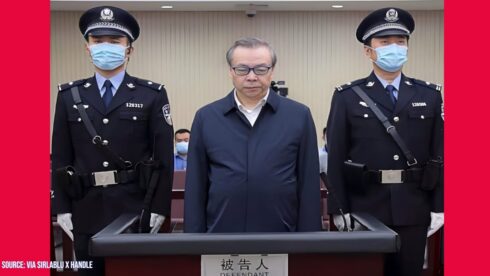
China’s recent execution of Li Jianping, a former top official accused of embezzling a staggering $421 million, has sent shockwaves around the globe, sparking intense debates about the country’s hardline stance on corruption. This drastic measure is the culmination of President Xi Jinping’s anti-corruption drive, which has been a hallmark of his governance since 2012. With over a million party officials punished or prosecuted, including high-ranking officials like defense ministers and military leaders, Xi’s campaign has been praised for tackling systemic corruption, but also criticized for consolidating his power.
The execution of Li Jianping serves as a stark warning to would-be corrupt officials, demonstrating that China is willing to take bold action against those who abuse their power. However, the use of capital punishment for financial misdeeds has raised questions about morality and the effectiveness of such measures in combating corruption. As the world watches, it remains to be seen whether China’s boldness will inspire other countries to adopt similar tactics or simply exacerbate existing divisions on the issue. One thing is certain, though: China’s actions have ignited a crucial conversation about the limits of government power and the most effective ways to tackle corruption.
Nigerians React: “Imagine This Happening Here!”
News of Li’s execution quickly made waves in Nigeria, a nation infamous for its own corruption challenges. Social media platforms erupted with jokes, memes, and candid opinions. One viral tweet from SELENSE humorously declared, “Except Peter Obi though. That’s a story for another day.” The quip reflects a rare acknowledgment of integrity within the country’s political elite.
Amidst the humor, the message was clear: if China’s zero-tolerance approach were applied in Nigeria, the political scene might resemble a ghost town. Frustration bubbled to the surface, with Nigerians using wit to highlight their dissatisfaction with the rampant impunity among their leaders.
China’s Formula: Too Spicy for Nigeria?
Nigeria’s political narrative is riddled with tales of missing billions and shameless mismanagement. If China’s approach were to be adopted, experts warn it could lead to a mass exodus of government officials—most likely to the afterlife. While some see this as poetic justice, others argue that such drastic measures might only breed fear without addressing underlying issues.
Critics advocate for a more measured approach, suggesting systemic reform and ironclad judicial processes. But the lingering question is whether Nigeria’s institutions are equipped to enforce accountability without going overboard. Striking the balance between tough love and ethical governance is no easy feat.
When Corruption Meets Capital Punishment: Global Reflections
Li Jianping’s fate has reignited global discussions about punishment for financial crimes. While some see China’s method as a necessary evil, others view it as a human rights violation. Could life imprisonment or asset seizures achieve the same deterrent effect without the moral baggage?
For Nigeria, the lesson lies not just in severity but in consistency. High-profile arrests followed by weak prosecutions undermine faith in anti-corruption efforts. Could a middle ground—like publicly televised trials—both entertain and deter? Food for thought.
Peter Obi: The Outlier or the Exception?
A single name, Peter Obi, stood out amidst Nigeria’s online discourse. Known for his frugal lifestyle and anti-corruption stance, Obi has become something of a mythical figure in Nigerian politics. His perceived honesty contrasts sharply with the notoriety of many of his peers.
While skeptics argue no politician is entirely clean, Obi’s mention underscores a deep yearning for authentic leadership. Can one man symbolize hope in a sea of cynicism, or is this just wishful thinking dressed up as a trending topic? Time will tell.
China as Nigeria’s Mirror: Reform or Revolution?
Nigeria’s anti-corruption agencies, like the EFCC, have seen mixed results. High-profile cases often fizzle out, with offenders walking free or getting slaps on the wrist. Could China’s merciless model serve as a wake-up call, or is it too extreme for Nigeria’s democratic context?
Proposals for stricter penalties, like life imprisonment, might offer a middle ground. However, implementing such changes would require unparalleled political resolve—something Nigeria has rarely shown. Until then, Nigerians might have to settle for humor as their coping mechanism.
Table of Contents
Discover more from OGM News NG
Subscribe to get the latest posts sent to your email.