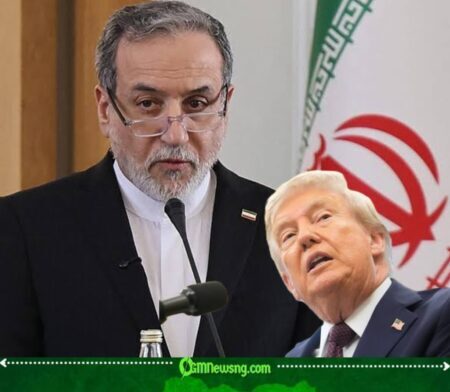










White house officials issued a formal warning to Israel after determining that recent military actions in Gaza appeared to violate the terms of an agreed ceasefire, signaling growing frustration within the administration over the fragile truce and its repeated breakdowns. The warning reflects concerns that even limited military maneuvers, air operations, or troop movements can rapidly erode trust and undo weeks of diplomatic work aimed at calming tensions. Officials emphasized that ceasefires are particularly delicate arrangements, often sustained only by restraint and clear communication, both of which they say are now under strain.
White house sources said the warning was delivered through diplomatic channels, emphasizing that continued violations risk undermining broader regional stability and jeopardizing ongoing efforts to prevent a return to full-scale hostilities. According to officials familiar with the exchanges, the message underscored that the United States expects all parties to treat ceasefire agreements as binding commitments rather than flexible pauses. The administration fears that repeated breaches could normalize noncompliance, making future ceasefires harder to negotiate or enforce.
White house representatives stressed that the ceasefire was intended to protect civilian lives on all sides, noting that adherence to its terms remains essential for maintaining any momentum toward de-escalation. They highlighted that civilian populations bear the greatest cost when ceasefires collapse, often facing displacement, infrastructure damage, and psychological trauma. Officials added that the warning was meant not only as a diplomatic signal to Israel but also as reassurance to regional partners that Washington remains actively engaged.
Diplomatic Message to Israel
White house officials framed the warning as both firm and measured, underscoring Washington’s longstanding support for Israel’s security while making clear that ceasefire commitments must be respected. They reiterated that U.S. backing does not negate expectations of compliance with negotiated agreements, particularly those designed to reduce civilian harm. This approach, officials said, reflects an effort to balance strategic alliances with principled diplomacy.
White house aides indicated that the administration expects Israeli leadership to provide explanations regarding the reported actions and to take immediate steps to prevent further breaches. These explanations, officials noted, will factor into ongoing diplomatic assessments and future engagement. The administration is said to be watching closely for tangible actions that demonstrate restraint rather than verbal assurances alone.
Senior U.S. diplomats described the message as part of a broader effort to preserve credibility in ceasefire agreements, warning that selective compliance weakens trust among all parties involved. They argued that when one side is perceived as disregarding terms, it increases pressure on others to respond in kind, heightening the risk of escalation. Diplomats emphasized that credibility is central to the success of any future mediation efforts.
Concerns Over Civilian Impact
White house briefings highlighted mounting concerns about civilian casualties and humanitarian conditions in Gaza, which officials say are exacerbated whenever ceasefire terms are violated. They pointed to reports of disrupted daily life, damaged infrastructure, and heightened fear among residents whenever hostilities resume, even briefly. Such conditions, officials warned, make long-term recovery increasingly difficult.
White house analysts pointed to the already strained aid delivery systems in Gaza, arguing that renewed military activity risks worsening shortages of food, medicine, and shelter. Aid convoys often rely on predictable security conditions, and any instability can delay or halt deliveries altogether. Officials said this reality underscores why strict adherence to ceasefire terms is not merely political but deeply humanitarian.
Humanitarian organizations echoed these concerns, urging all sides to uphold the ceasefire to allow relief operations to proceed without interruption. Aid groups warned that repeated disruptions create logistical bottlenecks and force difficult decisions about resource allocation. They also stressed that humanitarian pauses lose their meaning if they cannot be reliably maintained.
Regional Stability at Stake
White house officials warned that continued ceasefire violations could trigger wider regional consequences, drawing in neighboring actors and increasing the risk of escalation beyond Gaza. They noted that the region is interconnected, with tensions in one area often reverberating across borders. A breakdown in Gaza, officials cautioned, could inflame already sensitive dynamics elsewhere.
White house policy advisers noted that tensions in the region remain high, making restraint and clear communication essential to avoiding miscalculation. They emphasized that even unintended incidents can spiral rapidly when mistrust prevails. For this reason, advisers said, maintaining the ceasefire is seen as a critical stabilizing measure.
Regional observers say the U.S. warning reflects anxiety that even limited breaches could spiral into renewed conflict if left unaddressed. Analysts in the region argue that early diplomatic pressure is often more effective than delayed responses after violence has intensified. The warning, they suggest, is meant to halt escalation before it gains momentum.
U.S. Balancing Act
White house statements emphasized the administration’s attempt to balance unwavering support for Israel’s right to self-defense with a firm insistence on compliance with international agreements. Officials said this balance is necessary to maintain credibility both domestically and internationally. They acknowledged that navigating these priorities is politically and diplomatically complex.
White house officials reiterated that ceasefires are not symbolic gestures but binding commitments designed to create space for diplomacy and humanitarian relief. They stressed that treating ceasefires as optional undermines their purpose and prolongs cycles of violence. According to officials, consistency in messaging is key to reinforcing expectations.
Administration figures acknowledged the political sensitivity of issuing such warnings, but argued that credibility requires consistency in enforcing agreed terms. They maintained that failing to speak out when violations occur could weaken the United States’ influence as a mediator. Transparency, they said, is essential to sustaining trust with all stakeholders.
Next Steps and Expectations
White house officials said they will continue monitoring the situation closely, coordinating with international partners to assess compliance and prevent further violations. This monitoring includes intelligence assessments, diplomatic reporting, and consultations with allies involved in mediation efforts. Officials emphasized that vigilance is necessary to respond quickly to any further developments.
White house sources suggested that additional diplomatic engagement could follow if ceasefire breaches persist, including consultations with regional mediators. Such engagement may involve renewed talks aimed at clarifying ceasefire terms and reinforcing enforcement mechanisms. The administration has signaled that it is prepared to intensify diplomatic pressure if needed.
Diplomatic analysts believe the warning signals a desire by Washington to reassert its role as a stabilizing force, pressing all parties to honor commitments and keep channels for dialogue open. They argue that sustained engagement, rather than episodic intervention, will be crucial to maintaining calm. Ultimately, analysts say, the effectiveness of the warning will depend on whether it leads to concrete changes on the ground.
Table of Contents
Discover more from OGM News NG
Subscribe to get the latest posts sent to your email.