



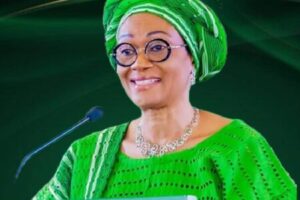

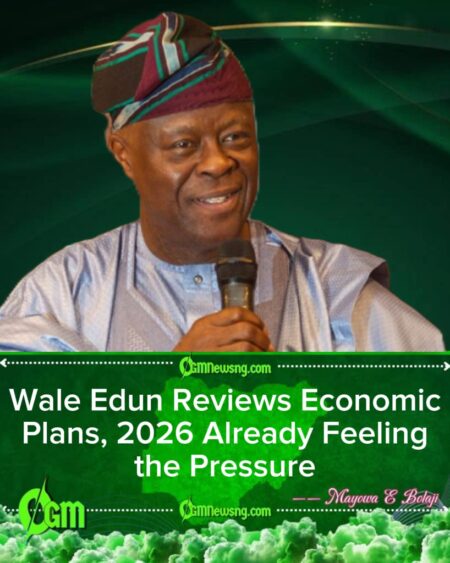
Wale Edun, the Minister of Finance and Coordinating Minister of the Economy, held strategic discussions with the Minister of State for Finance, Dr. Doris Uzoka-Anite. The high-level engagement focused on advancing President Bola Ahmed Tinubu’s economic agenda and executing key fiscal and macroeconomic priorities for the year ahead.
With Wale Edun at the centre of Nigeria’s economic management framework, the meeting underscored the administration’s resolve to deepen reforms aimed at stabilising the economy, improving public finance governance, and delivering sustainable growth. The talks reflected a shared commitment to disciplined fiscal leadership and coordinated policy execution.
Officials indicated that the discussions were part of ongoing efforts by Edun to align all arms of the finance ministry behind a unified strategy capable of translating policy reforms into measurable economic outcomes for Nigerians.
Wale Edun Strengthens Fiscal Leadership and Coordination
Wale Edun used the meeting to reinforce the importance of strong fiscal coordination within the Ministry of Finance. He emphasised that effective collaboration between his office and that of the Minister of State is critical to achieving the Tinubu administration’s economic objectives.
The discussions reviewed current fiscal operations, highlighting areas where tighter coordination could improve budget implementation, expenditure control, and policy consistency. Wale Edun stressed that a harmonised approach would reduce inefficiencies and accelerate decision-making.
By strengthening institutional synergy, Wale Edun aims to ensure that fiscal policies are not only well-designed but also effectively executed across government agencies and departments.
Wale Edun Drives the Renewed Hope Economic Agenda
A major thrust of the engagement was Wale Edun’s commitment to advancing President Tinubu’s Renewed Hope Agenda. He reiterated that economic stability and inclusive growth remain top priorities for the administration.
Wale Edun highlighted the need for sound macroeconomic policies, prudent fiscal management, and strategic investments that support long-term development. He noted that reforms must be sustained and clearly communicated to build public trust.
According to the finance minister, the Renewed Hope Agenda under Edun’s stewardship is designed to create a resilient economy that delivers jobs, boosts productivity, and improves living standards nationwide.
Edun Outlines Key Economic Priorities for the Year Ahead
During the meeting, Edun outlined critical economic priorities set to guide government action in the coming year. These include revenue mobilisation, expenditure efficiency, and maintaining debt sustainability.
He emphasised the need to strengthen non-oil revenue sources while ensuring that fiscal measures do not place undue pressure on citizens and businesses. The focus, he said, is on broadening the revenue base rather than increasing the burden on a few taxpayers.
Wale Edun also stressed the importance of targeted spending, noting that government resources must be directed towards programmes that stimulate growth, protect vulnerable populations, and deliver broad-based economic benefits.
Wale Edun Focuses on Investor Confidence and Market Stability
Investor confidence featured prominently inEdun’s discussions, reflecting his broader strategy to position Nigeria as an attractive investment destination. He noted that fiscal credibility and policy clarity are essential to restoring confidence in the economy.
The meeting reviewed ongoing measures to improve transparency, ensure predictable fiscal policies, and strengthen engagement with the private sector. Edun underscored that consistent policy signals are key to attracting long-term capital.
By prioritising market stability and investor trust, Edun aims to support economic recovery, stimulate investment, and foster sustainable growth across key sectors.
Wale Edun Pushes Revenue Mobilisation and Fiscal Sustainability
Revenue mobilisation remains a central pillar of Wale Edun’s economic strategy. During the talks, he stressed that Nigeria must enhance domestic resource mobilisation to reduce dependence on borrowing.
The ministers discussed reforms aimed at improving efficiency within revenue-generating agencies, plugging leakages, and leveraging technology to enhance compliance and accountability. Edun maintained that these steps are vital for fiscal sustainability.
He noted that stronger revenues would enable government to fund infrastructure, social services, and development initiatives without compromising fiscal stability.
Edun Champions a Unified Path to Economic Reform
The strategic engagement once again highlighted Wale Edun’s role as the driving force behind Nigeria’s economic reform efforts. He reaffirmed his commitment to evidence-based policymaking, disciplined fiscal management, and results-oriented governance.
Wale Edun stressed that sustained collaboration across ministries and agencies is essential to translating reforms into real economic gains for citizens. He called for collective responsibility in delivering the administration’s economic vision.
As Nigeria navigates a challenging global and domestic economic environment, Edun’s leadership is expected to remain pivotal in shaping fiscal policy, strengthening economic resilience, and securing a more stable and inclusive future for the country.
Table of Contents
Discover more from OGM News NG
Subscribe to get the latest posts sent to your email.