




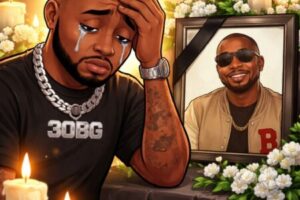

Uzor Arukwe, one of Nollywood’s most versatile and respected actors, has offered rare insights into how actors are compensated for roles in YouTube-distributed films. In a candid interview that’s ignited debate across the entertainment industry, Arukwe explained that many actors are paid flat fees—sometimes as low as ₦100,000 to ₦500,000—regardless of the film’s long-term performance online.
Arukwe emphasized that unlike mainstream cinema or Netflix productions, YouTube films often operate on tight budgets and quick turnaround times, leaving actors with little negotiating power. Despite their popularity on platforms like Uchenna TV, Real Nolly TV, and Nollywood Pictures, many actors never receive a share of the ad revenue or royalties generated from millions of views.
No Royalties, No Residuals: The Hidden Reality
Uzor Arukwe pointed out a significant gap in revenue-sharing policies within the YouTube Nollywood ecosystem. Once actors are paid their one-time fee, they typically relinquish all rights to future earnings—even if the film garners over 10 million views and earns substantial AdSense revenue for producers.
Uzor Arukwe likened it to a digital gold mine that leaves the stars with nothing but “pennies and popularity.” While producers and channel owners enjoy recurring monetization, the performers—who bring the scripts to life—are often excluded from backend profits. This, he says, raises ethical concerns about the sustainability and fairness of the industry’s digital model.
YouTube Nollywood: High Volume, Low Paycheck Model
Uzor Arukwe described the YouTube Nollywood market as a high-volume, low-margin machine that prioritizes quantity over quality. Actors often shoot back-to-back projects, with some working on as many as 10 films in a month just to sustain a basic livelihood. The tight schedules and rushed productions, he noted, leave little room for artistic depth or financial negotiation.
Uzor Arukwe added that producers are usually under pressure to meet algorithm-driven demands, creating content rapidly to stay relevant. This model benefits the channel owners but puts creative professionals—particularly actors, makeup artists, and crew members—at the mercy of a “grind culture” that values speed over substance.
Why Big Names Still Join the YouTube Wave
Uzor Arukwe admitted that despite the challenges, many established actors, including himself, still accept roles in YouTube films. The reason? Visibility, branding, and constant work. With Nollywood’s cinema audience shrinking and streaming services offering limited slots, YouTube remains a lifeline for staying relevant in a saturated market.
Arukwe also noted that some YouTube films serve as demo reels for future opportunities. Directors and casting agents often discover new talent through trending YouTube films, making the platform a valuable showcase—even if the compensation is underwhelming. Still, he advocates for better contracts and revenue-sharing policies to protect actors.
Producers Defend Model, Citing Budget Constraints
In response to growing criticism, some producers have defended the current YouTube model, claiming that most channels run on tight margins and limited sponsorships. They argue that production costs—from equipment rentals to post-production and distribution—eat up most of the available budget, leaving little for recurring actor payments.
Uzor Arukwe counters that while budget limitations are real, it shouldn’t be an excuse for exploitation. He believes there is room for transparent agreements that include performance-based bonuses or limited royalties for lead actors. As YouTube monetization grows in value, so too should the compensation structure for the talents driving the content.
The Future of Nollywood on YouTube: Reform or Ruin?
Uzor Arukwe concluded with a call to action: if Nollywood wants to thrive on YouTube, it must restructure its economic model to be more actor-friendly. He proposed the creation of digital unions or associations that can negotiate fair pay, monitor contract enforcement, and lobby YouTube itself for more transparent revenue structures between creators and performers.
Without reforms, Arukwe warned, Nollywood’s YouTube revolution may burn out its brightest stars, leaving behind a soulless industry run by metrics rather than merit. He believes that with collaborative reform, the industry can strike a balance between accessibility and artistry, giving both producers and actors a fair share of the digital pie.
Table of Contents
Discover more from OGM News NG
Subscribe to get the latest posts sent to your email.