







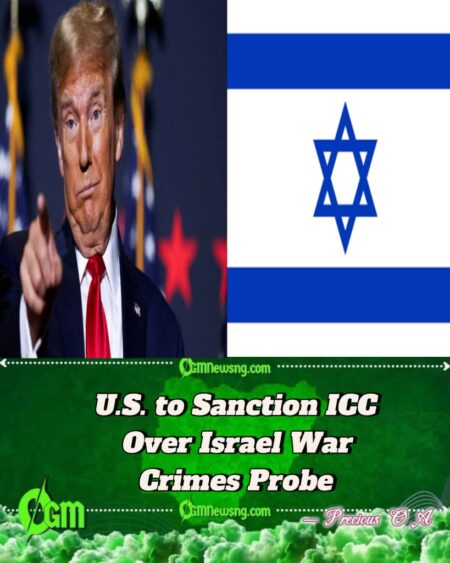
US officials familiar with the matter report that Washington is contemplating measures that go well beyond prior targeted sanctions against judges or ICC staff. Sanctions against the institution itself could include blocking access to American bank accounts, freezing financial assets, restricting software licensing, and hampering routine operations such as payroll and communications systems.
U.S. action was triggered by the ICC’s decision to issue arrest warrants for Israeli Prime Minister Benjamin Netanyahu and former Defense Minister Yoav Gallant, along with several Hamas leaders. The administration has long maintained that neither it nor Israel are party to the Rome Statute, and thus considers many ICC claims of jurisdiction as illegitimate.
Anticipating disruptions from possible sanctions, ICC officials have reportedly taken pre-emptive measures—such as advancing staff salaries through 2025 and exploring alternative banking and software providers—to try to cushion the blow. Diplomats from ICC member states are also holding emergency consultations in The Hague.
U.S. sources indicate that the administration intends to frame the sanctions as a defense of national sovereignty. Washington argues that the ICC’s actions overstep its mandate and undermine internationally recognized norms on jurisdiction.
Implications and Reactions: Legal, Political, and International Reverberations
U.S. officials defending the move argue it is necessary to protect both American sovereignty and the security of its allies, particularly Israel. Secretary of State Marco Rubio has described the ICC as a “national security threat” and accused it of engaging in “lawfare” that targets U.S. and allied personnel.
Critics warn that broad sanctions risk undermining the ICC’s ability to function, possibly crippling its investigative and prosecutorial tools. Human-rights groups and a number of ICC member states argue that independence and impartiality are essential for accountability, especially in conflicts where crimes against humanity are alleged.
U.S. legal observers point to constitutional issues that could complicate the administration’s approach. A federal judge previously blocked portions of President Donald Trump’s executive order targeting individuals who assist the ICC, citing potential violations of free speech. This precedent raises questions about whether broader entity-wide sanctions can survive judicial scrutiny.
U.S. lawmakers remain divided. While many Republicans have praised the administration’s strong stance, several Democrats have expressed concern that such sweeping measures risk isolating the U.S. from international allies and weakening the country’s credibility on global human-rights issues.
International Fallout and Diplomatic Consequences
U.S. escalation is already prompting international pushback. The Netherlands, host country of the ICC, has expressed regret over Washington’s approach, warning that undermining the court could weaken accountability in conflict zones. European Union diplomats are also holding talks to coordinate a collective response.
U.S. action may test alliances beyond Europe. In Africa, where the ICC has carried out many of its investigations, governments are watching closely to see whether Washington’s pressure campaign alters the court’s ability to pursue cases in their regions.
Legal scholars caution that entity-wide sanctions could set a precedent with far-reaching consequences. By targeting an international institution rather than individuals, Washington may be undermining long-standing norms that protect multilateral organizations from unilateral state action.
U.S. critics abroad argue that such measures reflect a double standard—supporting international justice when it involves adversaries but rejecting it when it involves close allies. They warn that this approach risks eroding faith in the rules-based international order.
Table of Contents
Discover more from OGM News NG
Subscribe to get the latest posts sent to your email.