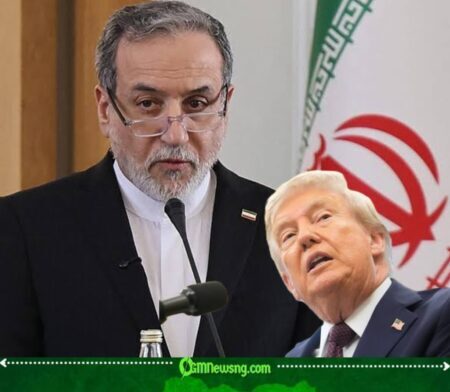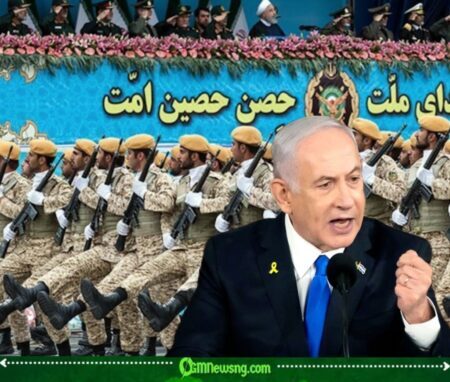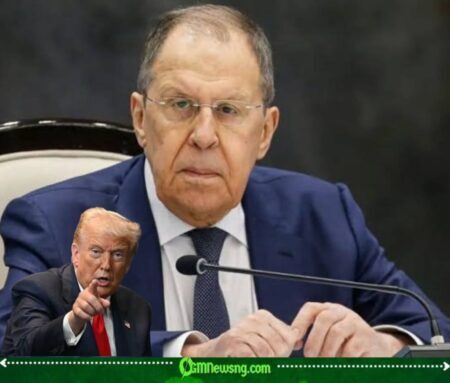








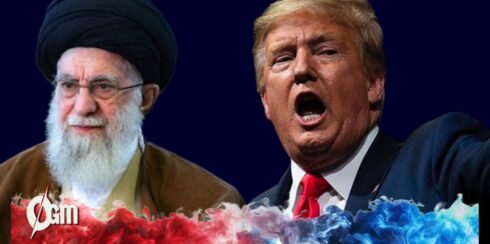
In a nationally televised address on Saturday night, President Donald Trump announced that the United States had launched precision strikes on three of Iran’s key nuclear facilities—Fordo, Natanz, and Isfahan. Declaring the assault a “spectacular military success,” Trump said the operation was aimed at dismantling Iran’s nuclear enrichment capacity and eliminating a grave threat to global security.
“The U.S. military carried out massive precision strikes on the three key nuclear assemblies in the Iranian regime,” Trump stated from the White House. “Our objective was the destruction of Iran’s nuclear enrichment capacity and a stop to the nuclear threat posed by the world’s number one state sponsor of terror.” Earlier on Truth Social, the president revealed that a “full payload of BOMBS” was dropped on Fordo, one of Iran’s most fortified facilities, and assured that all American aircraft returned safely.
Iran Warned Against Retaliation as Trump Vows Further Action
Addressing the nation from the White House Situation Room alongside Vice President JD Vance, Secretary of State Marco Rubio, and Defense Secretary Pete Hegseth, Trump warned Iran against retaliatory action. “There will be either peace, or there will be tragedy for Iran far greater than we have witnessed over the last eight days,” Trump declared. “Remember, there are many targets left.”
Trump emphasized that further precision strikes were ready to be executed if Iran did not immediately seek a peaceful resolution. “If peace does not come quickly, we will go after those other targets with precision, speed and skill,” he said. Iran, which had previously vowed retaliation if the U.S. joined Israel’s military campaign, is now weighing its response to what it calls “a grave violation” of international law.
How the Strike Was Carried Out: Bunker-Busters and Cruise Missiles
Senior Pentagon officials confirmed that three B-2 stealth bombers launched from U.S. bases dropped GBU-57 Massive Ordnance Penetrators—also known as “bunker-busters”—on the deeply buried Fordo facility early Sunday local time. These bombs, designed to penetrate hundreds of feet into reinforced underground targets, were used for the first time in a live combat operation.
Meanwhile, Tomahawk cruise missiles launched from U.S. submarines in the region struck the Natanz and Isfahan facilities. A U.S. defense source told OpitanglobaMedia News that while no regime change is being pursued, the message to Iran is unequivocal: the U.S. will not tolerate a nuclear-armed Tehran. The International Atomic Energy Agency confirmed there were no signs of radioactive leakage following the attacks.
Reactions from Israel and Iran: Praises and Condemnations
Israeli Prime Minister Benjamin Netanyahu praised the strike in a video message, saying, “President Trump and I often say peace through strength. First comes strength, then comes peace. And tonight, President Trump and the United States acted with a lot of strength.” Netanyahu confirmed he was informed in advance and spoke with Trump after the strike.
In contrast, Iranian officials condemned the attack. Morteza Heidari, a spokesman in Qom Province, confirmed that all three nuclear sites were hit. The Atomic Energy Organization of Iran stated that its nuclear program would continue and urged global condemnation. Foreign Minister Abbas Araghchi called the U.S. strikes a “grave violation” of the UN Charter and warned that Iran “reserves all options” in response.
Capitol Hill Divided: Support, Criticism, and Legal Concerns
Reactions from U.S. lawmakers were sharply divided. House Speaker Mike Johnson supported the operation, while Rep. Marjorie Taylor Greene, despite being a vocal Trump ally, posted on X that “this is not our fight.” Congressional Democrats condemned the president for bypassing Congress. Senate Minority Leader Chuck Schumer said Trump “failed to seek authorization and has now risked dragging America into a disastrous war.”
Senator Mark Warner, vice chair of the Senate Intelligence Committee, warned that the operation contradicts Trump’s 2024 campaign promise to “end endless wars.” “Tonight, he took steps that could drag the United States into another one, without consulting Congress, without a clear strategy, and without explaining what’s at stake,” Warner said.
What Triggered the Strikes: Weeks of Escalation and Diplomatic Breakdown
The strikes followed a week of rising tensions. On June 13, Israel began bombing Iranian military sites. Iran responded with missile attacks on Israeli cities. On Friday, Iranian Foreign Minister Araghchi met with European diplomats in Geneva and signaled openness to renewed dialogue but maintained that Iran’s defense capabilities were “not negotiable.”
President Trump had hinted days earlier at a potential strike, saying he would make a decision “within the next two weeks.” Intelligence sources said Trump believed that leaving Fordo operational was not an option. Meanwhile, the U.S. began evacuating Americans from Israel, with flights carrying 70 citizens and green card holders out of Tel Aviv just hours before the strikes.
Inside the Situation Room: Trump’s National Security Team at Work
Photos released by the White House showed President Trump in the Situation Room during the operation, surrounded by key national security figures: Vice President JD Vance, Secretary of Defense Pete Hegseth, Secretary of State Marco Rubio, CIA Director John Ratcliffe, and DNI Tulsi Gabbard. Their presence signals the highest level of coordination for what is now considered the most consequential U.S. military action in the Middle East since the 2003 Iraq invasion.
A Pentagon briefing led by Hegseth and Joint Chiefs Chairman Gen. Dan Caine is scheduled for 8 a.m. Eastern Time Sunday. As the world awaits Iran’s response, U.S. Homeland Security officials have raised the threat level for potential retaliatory attacks on American soil—both physical and cyber. “We’re in uncharted territory,” one intelligence official admitted. “We just don’t know what Iran will do next.”
Table of Contents
Discover more from OGM News NG
Subscribe to get the latest posts sent to your email.