







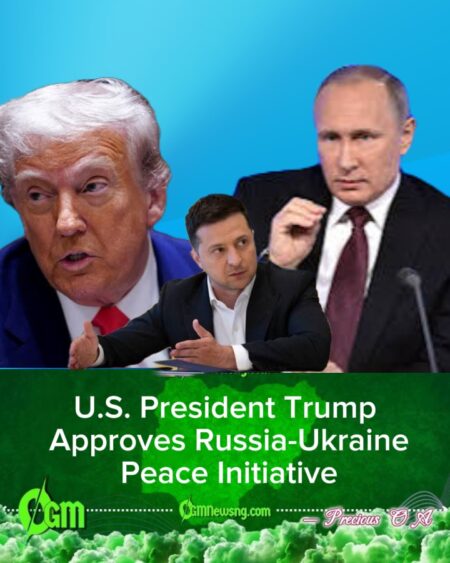
President Donald Trump, serving a second term, has formally approved a comprehensive peace plan aimed at resolving the ongoing and complex conflict between Russia and Ukraine, a crisis that has captured international attention for years and continues to affect global security and economic stability. The initiative, which was quietly and meticulously developed over the past several weeks, involved close collaboration among top administration officials in Washington, Russian envoy Kirill Dmitriev, and representatives of the Ukrainian government. According to sources familiar with the matter, the plan is specifically designed to address the most pressing and sensitive issues that have historically impeded previous attempts at negotiation, including territorial disputes, security guarantees, and diplomatic tensions that have often escalated into broader regional instability.
Donald Trump the announcement of the plan marks a potentially significant milestone in U.S. diplomatic efforts in Eastern Europe, signaling a renewed and more hands-on commitment to conflict resolution in a region that has long been a focal point of international concern. Experts in international relations suggest that, if successfully implemented, the peace plan could lead to stabilization across affected areas, promote regional economic recovery, and create pathways for broader cooperation among European, Russian, and global stakeholders. This renewed engagement has been interpreted by analysts as an effort to reposition the U.S. as a central mediator in major geopolitical crises.
President Donald Trump according to statements released by the White House, the plan was crafted with an emphasis on strategic balance and careful attention to the core interests of both Russia and Ukraine. Officials involved in the drafting process reportedly maintained extensive consultations with key European allies to ensure alignment with wider international security objectives and to enhance the likelihood of success through a collaborative multilateral approach. The administration has framed the plan as a careful, deliberate measure designed to de-escalate tensions and foster constructive dialogue, rather than as a unilateral imposition.
Trump: Diplomatic Foundations of the Plan
Donald Trump the peace plan emerged from weeks of confidential discussions involving senior officials from the U.S. administration, Russian diplomatic representatives, and Ukrainian government officials. These discussions reportedly focused on creating a pragmatic framework that could be acceptable to all parties while carefully avoiding the pitfalls and shortcomings of past agreements, which often failed due to lack of enforcement or mutual distrust. Diplomats involved in the process emphasized the importance of transparency and structured communication.
President Donald Trump has emphasized that U.S. leadership in this process is intended to promote open dialogue and negotiation, rather than acting as a coercive or unilateral force. He highlighted the role of incremental confidence-building measures, as well as incentives designed to encourage compliance, as essential to achieving a sustainable and lasting resolution. Analysts note that such a measured approach reflects an understanding of the complex historical, cultural, and political dynamics that underpin the conflict.
Donald Trump the direct involvement of Russian envoy Kirill Dmitriev and Ukrainian representatives in shaping the plan underscores the administration’s intent to produce a tangible and actionable agreement. Experts highlight that meaningful collaboration in the drafting process is a crucial factor, as it allows both parties to express concerns and participate in designing mechanisms that address specific security, economic, and territorial considerations. The administration’s approach, according to analysts, reflects a sophisticated understanding of diplomacy as a process of negotiation, compromise, and verification.
Trump: Key Provisions of the Peace Plan
President Donald Trump the peace plan reportedly includes a broad range of provisions aimed at addressing the most pressing sources of conflict between Russia and Ukraine. Among these measures are structured frameworks for phased troop withdrawals, mechanisms for monitoring and enforcing ceasefires, and guarantees intended to protect recognized national borders. These steps are designed to reduce the risk of renewed hostilities and establish a predictable environment for diplomacy.
Donald Trump economic cooperation is also a significant component of the plan, with trade and infrastructure initiatives included to create mutual incentives for compliance and to foster interdependence that may stabilize bilateral relations. These measures, officials suggest, could help mitigate longstanding economic grievances and encourage engagement through practical benefits rather than coercion. The plan emphasizes gradual implementation tailored to the political realities on the ground.
Additionally, the plan incorporates oversight provisions through international organizations, offering both parties a sense of accountability and impartial verification. Observers have noted that this aspect of the plan is intended to reinforce compliance and provide assurances to both Russia and Ukraine that enforcement will be impartial. The framework seeks to balance respect for national sovereignty with the necessity of regional security and collective responsibility.
Reactions from International Stakeholders
The announcement of the peace plan has elicited a range of reactions from international stakeholders, many of whom have historically played important mediator roles in the region. European and Middle Eastern leaders have expressed cautious optimism, emphasizing the importance of careful monitoring, phased implementation, and international support to ensure the measures are effective. Such support, they argue, will be vital to long-term stability.
Russia has reportedly shown tentative support for the initiative, with statements indicating a willingness to engage in structured dialogue and adhere to phased measures outlined in the plan. Ukrainian officials have similarly welcomed the initiative, while emphasizing that any agreement must fully respect their territorial integrity, democratic principles, and national security concerns. Their cautious approval reflects a desire for meaningful progress after years of conflict.
Despite generally positive reactions, experts caution that skepticism remains high among observers, many of whom cite previous agreements that failed due to ambiguities, differing interpretations, or lack of enforcement mechanisms. Analysts point out that the administration faces the challenge of converting diplomatic goodwill into actionable results that are verifiable on the ground. Ensuring credible enforcement could determine the plan’s long-term viability.
Domestic Perspectives and Political Implications
Within the United States, the peace plan has generated significant discussion and debate. President Trump has presented it as evidence of his administration’s proactive foreign policy and diplomatic leadership, highlighting the initiative as a demonstration of strategic foresight and negotiation skill. Supporters argue that the plan positions the United States as a central and influential mediator in international conflict resolution.
Critics, however, question whether the plan can be implemented fully without exposing the U.S. to risks involving credibility, resources, and political capital. Some lawmakers have requested detailed briefings and risk assessments, seeking to ensure transparency and evaluate potential implications for U.S. commitments abroad. They warn that missteps could lead to political and diplomatic backlash.
Political analysts suggest that the peace plan is likely to become a significant element of Trump’s second-term agenda, shaping both domestic discourse and international perception of U.S. diplomatic engagement. The plan’s success or failure could influence future U.S. foreign policy decisions and determine how America’s strategic influence is viewed globally. For the administration, the stakes remain high.
Next Steps and Outlook
The administration intends to roll out the peace plan in stages, beginning with preliminary confidence-building measures, diplomatic exchanges, and the establishment of monitoring mechanisms. International observers are expected to play a key role in verifying compliance and maintaining transparency during the early stages of implementation. This gradual approach aims to reduce the risk of immediate disruption.
Donald Trump has emphasized the administration’s commitment to acting as a neutral facilitator, ensuring that both Russia and Ukraine adhere to the agreed framework. Experts note that the success of the plan will ultimately depend on the willingness of both parties to compromise, the sustained involvement of international partners, and the ability to enforce provisions consistently. These conditions will be closely evaluated as implementation unfolds.
Observers around the world will be monitoring developments in the coming weeks and months, as the peace plan’s implementation may serve as a critical benchmark for U.S.-led diplomatic efforts in other global conflicts. The outcome could shape the trajectory of international engagement in crisis resolution for years to come. Many analysts believe the plan’s impact will extend far beyond the region itself.
Table of Contents
Discover more from OGM News NG
Subscribe to get the latest posts sent to your email.