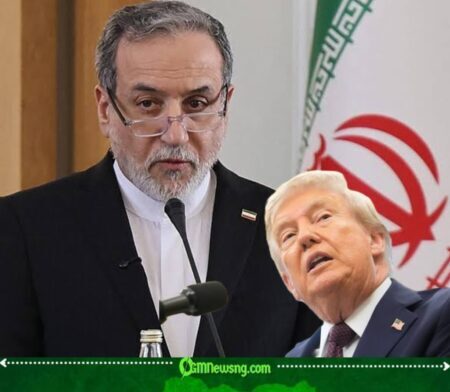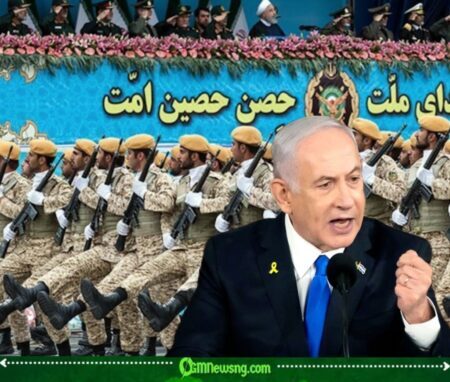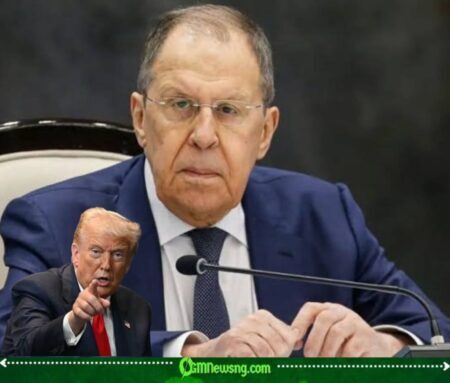








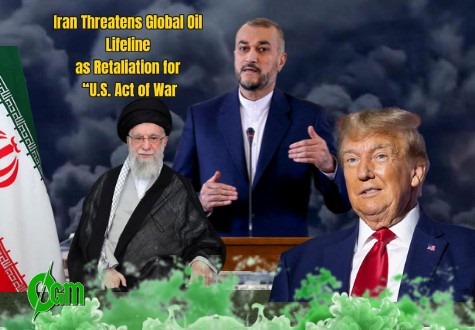
This Is War — In a moment of mounting tension and legal defiance, the Iranian Parliament has issued a unanimous advisory endorsing the closure of the Strait of Hormuz, a critical maritime chokepoint for global oil supplies. While not binding, the symbolic motion came just hours after Iran’s Foreign Minister, Hossein Amir Abdollahian, delivered a blistering condemnation of the United States for what he called “an aggression against Iranian soil.” Following targeted U.S. strikes on nuclear facilities in Natanz, Fordow, and Isfahan on June 22, 2025, Iran has declared its right to retaliate under Article 51 of the UN Charter—signaling an escalation with far-reaching global ramifications.
Strait of Hormuz in the Crosshairs: Oil Lifeline at Risk
This Is War —The Strait of Hormuz is the world’s most vital energy corridor, where roughly 20–25% of global oil and liquefied natural gas passes daily. Any disruption could destabilize economies, drive energy prices to historic highs, and ignite panic in global financial markets.
This Is War —By floating the idea of closing the strait, Iran is striking at the economic heart of the West and its Gulf allies. While the motion passed in Parliament is advisory, it reflects a sharp shift in Tehran’s strategic calculus. The final authority lies with Iran’s Supreme Leader and the Supreme National Security Council, who have yet to issue a definitive ruling—but Friday’s anticipated meeting may prove pivotal.
This Is War: What Prompted Iran’s Fury
The United States confirmed that it launched “Operation Midnight Hammer”, a pre-emptive strike targeting multiple Iranian nuclear sites, including the heavily fortified Fordow and Isfahan complexes. U.S. defense officials described the mission as “surgical and successful,” employing stealth B-2 bombers and Tomahawk cruise missiles to cripple Iran’s nuclear enrichment capabilities.
This Is War — The strikes, which also damaged critical centrifuge infrastructure at Natanz, represent one of the most direct and large-scale U.S. actions against Iranian soil in over a decade. Tehran has decried the operation as a “heinous crime” and a violation of international law, prompting what could be a new era of overt conflict in the Middle East.
Iran’s Legal Framing: The UN Charter and Justification for Retaliation
Iran is grounding its rhetoric and potential military response in international law—specifically Articles 2(4) and 51 of the UN Charter. According to Foreign Minister Abdollahian, the U.S. strikes constitute an “unprovoked act of aggression” that violates Iran’s sovereignty and UN Resolution 2231, which protects the nuclear deal framework.
Iran asserts it is fully within its rights to respond proportionately under Article 51, which allows self-defense in the face of armed attack. “America will bear full and sole responsibility for the dangerous consequences of its actions,” Abdollahian said, adding that Tehran “reserves all options to defend its sovereignty, interests, and people.”
This Is War — Military and Diplomatic Fallout
Iranian officials have bluntly declared diplomacy “off the table”, insisting that Washington’s actions have torpedoed any remaining hope for negotiated resolution. Foreign Ministry spokespersons accused the U.S. of colluding with Israel and warned of “everlasting consequences” if further aggression occurs.
This Is War — In the aftermath of the strikes, Iran has held closed-door consultations with Russia and China—its two main geopolitical backers—and is reportedly exploring the introduction of a UN Security Council resolution to condemn the United States. However, veto power dynamics at the Council may limit any immediate action.
Global Oil Markets Rattle: Price Surges and Energy Anxiety
This Is War — The ripple effect of Iran’s threats and the U.S. airstrikes were immediately felt in energy markets. Oil prices surged by nearly 10% on Sunday, as traders feared prolonged instability in the Gulf. Brent crude soared above $100 per barrel for the first time since 2022, while maritime insurers raised premiums for vessels navigating near Iran’s southern coast.
Although Saudi Arabia and the UAE possess alternative pipeline infrastructure, these systems cannot fully compensate for a complete shutdown of Hormuz. Even a symbolic closure could disrupt tanker traffic, causing logistical delays and amplifying inflation pressures worldwide.
Western Response: Monitoring, Mobilizing, and Messaging
This Is War — President Trump, has doubled down on U.S. naval presence in the Persian Gulf. Aircraft carriers, guided-missile destroyers, and surveillance drones have been deployed to deter Iranian aggression and ensure freedom of navigation.
This Is War — While Trump administration officials tout the strikes as a “preventive necessity,” critics at home and abroad question the legality of bypassing Congressional and UN authorization. Nevertheless, the administration maintains that Iran’s recent enrichment activities and ballistic missile tests violated existing international agreements, necessitating firm action.
Iran’s “A2/AD” Capabilities: Asymmetric Deterrence on Display
This Is War — Experts warn that even without formally closing the Strait, Iran can effectively disrupt maritime traffic using its “anti-access/area-denial” (A2/AD) capabilities. These include fast-attack boats, coastal missile batteries, underwater mines, and armed drones—all of which can harass, intimidate, or damage commercial vessels in the region.
Analysts from Eurasia Group and Jane’s Defence Weekly caution that Iran’s threats, even if not fully acted upon, are enough to raise global shipping insurance rates and pressure companies to reroute cargo. “The threat alone holds strategic value,” one analyst noted, “because it makes global commerce hostage to political brinkmanship.”
The Supreme Leader’s Silence: Decision Looms Large
This Is War — All eyes now turn to Ayatollah Ali Khamenei, whose word will ultimately decide whether Iran follows through on Parliament’s call to close the Strait. Scheduled to convene with Iran’s Supreme National Security Council on Friday, Khamenei’s decision will serve as a tipping point—toward either calibrated de-escalation or historic confrontation.
While Iranian hardliners push for bold retaliation, some moderate voices within the clerical establishment reportedly advocate a “measured” response to avoid all-out war. The next 72 hours could determine not just the trajectory of U.S.-Iran relations, but the future of regional stability.
This Is War: A Wider War or a Tense Pause? The Road Ahead
With diplomatic backchannels closed and mutual threats escalating, the chances of a regional conflict expanding are rising fast. Israel remains on high alert following Iranian missile salvos earlier this week. Saudi and Emirati forces have also increased military readiness amid fears of further spillover.
For now, both nations are locked in a dangerous game of signaling and counter-signaling. Whether it leads to war or a tenuous standoff will depend on whether either side sees more value in deterrence—or dominance. One thing is clear: the Strait of Hormuz has become the new frontline in a 21st-century oil war, and the world is watching anxiously.
Table of Contents
Discover more from OGM News NG
Subscribe to get the latest posts sent to your email.