


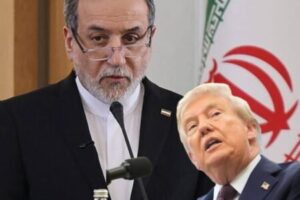






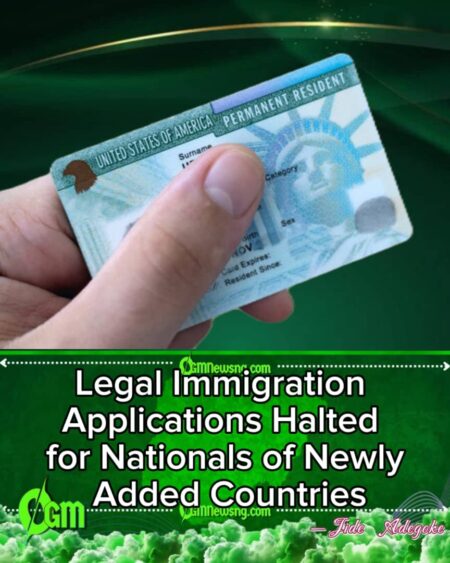
The United States government has expanded its suspension of legal immigration applications to cover individuals from an additional 20 countries, following President Donald Trump’s latest update to his travel restrictions policy.
The move represents a significant escalation in the administration’s hardline immigration stance, affecting not only prospective travelers but also foreign nationals already residing in the United States who are seeking legal status.
The expanded suspension follows a series of executive actions signed by Trump earlier this year and reinforces his administration’s broader agenda of tightening immigration controls on national security grounds.
The decision has raised fresh concerns among immigration advocates, affected communities, and international observers.
Expansion of Travel Bans and Immigration Restrictions
In June, President Trump signed an executive order imposing a full travel ban on nationals from 12 countries, citing security and vetting concerns. In addition to the outright ban, heightened travel restrictions were placed on citizens of seven other countries, subjecting them to increased scrutiny and limitations when attempting to enter the United States.
Earlier in December, the administration went a step further by directing the US Citizenship and Immigration Services (USCIS) to completely freeze all immigration-related petitions from affected countries.
This directive includes applications for permanent residency (green cards), naturalisation, and other legal immigration benefits, even for individuals who are already living within US borders.
The latest expansion now brings the total number of affected countries to nearly 20, significantly widening the scope of the policy. According to officials, the suspension is intended to remain in place pending further review of security protocols and country-specific compliance with US immigration standards.
United States: Impact on Immigrants and Legal Pathways
The expanded freeze has immediate consequences for thousands of immigrants who were in the process of adjusting their legal status. Many affected individuals had already met residency requirements or were awaiting final approvals before the suspension was announced. Immigration lawyers warn that the blanket halt could lead to prolonged uncertainty, legal backlogs, and family separations.
Critics argue that the policy blurs the distinction between travel restrictions and legal immigration processes, effectively penalising individuals who followed lawful pathways. Advocacy groups have also raised concerns about the lack of clear timelines or exemptions, particularly for long-term residents, skilled professionals, and family-based applicants.
The administration, however, maintains that the measures are necessary to safeguard national security and ensure that immigration systems are not exploited. Officials insist that the suspension is a temporary but essential step toward strengthening vetting procedures and protecting American interests.
International and Domestic Reactions
The expanded immigration freeze has drawn mixed reactions both within the United States and internationally.
Supporters of the policy argue that it fulfills campaign promises to prioritise security and border control, while critics describe it as overly restrictive and discriminatory.
Several countries affected by the restrictions have yet to issue formal diplomatic responses, though analysts expect the move to strain bilateral relations,
particularly with nations whose citizens have strong educational, professional, and family ties to the United States. Legal challenges are also anticipated, as civil rights groups explore avenues to contest the scope and implementation of the freeze.
As the policy unfolds, attention remains focused
on whether the administration will provide clearer guidelines, exemptions, or a timeline for review, especially for immigrants already embedded in American society.
Table of Contents
Discover more from OGM News NG
Subscribe to get the latest posts sent to your email.