









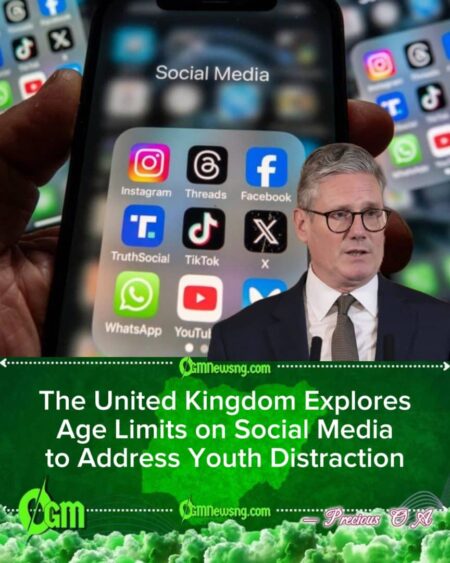
The United Kingdom is considering a potential ban on social media access for children under 16, a proposal that has quickly sparked national debate. Policymakers say the review is aimed at addressing concerns about youth mental health, online safety, and classroom performance in an increasingly digital environment.
The United Kingdom government has indicated that the proposal would examine whether age-based restrictions could reduce exposure to harmful content, cyberbullying, and excessive screen time. Officials are also evaluating enforcement mechanisms, including age verification systems and platform accountability measures.
The proposal arrives amid growing international scrutiny of social media’s impact on adolescents. Several countries have explored tighter regulations, reflecting a broader reassessment of how digital platforms intersect with childhood development and education.
Educational Impact and Academic Focus
The United Kingdom’s consideration of stricter limits has prompted discussion within the education sector about whether fewer online distractions could improve academic outcomes. Teachers frequently report that smartphone use and social media notifications interrupt classroom focus.
The United Kingdom education analysts note that constant digital engagement can fragment attention spans. Some studies suggest that reduced multitasking may enhance comprehension, retention, and critical thinking skills.
At the same time, educators caution that technology also plays a constructive role in learning. Digital platforms support collaboration, research, and communication. Any restriction would need to balance minimizing distraction with preserving educational opportunity.
The United Kingdom and Youth Digital Wellbeing
The United Kingdom has increasingly prioritized youth digital wellbeing in public policy discussions. Lawmakers have raised concerns about the psychological effects of algorithm-driven content, particularly for teenagers navigating identity and social comparison.
The United Kingdom regulators are reviewing evidence linking heavy social media use with anxiety, sleep disruption, and reduced academic engagement. While causation remains debated, the correlation has intensified calls for preventive measures.
Mental health professionals emphasize that online environments can amplify peer pressure and exposure to unrealistic standards. Limiting early access, proponents argue, may allow adolescents to develop stronger offline coping skills.
Parental Responsibility and Platform Accountability
The United Kingdom’s proposal also raises questions about enforcement. Policymakers are considering whether responsibility should rest primarily with parents, schools, or technology companies.
Age verification systems present technical and privacy challenges. Critics argue that broad bans may drive underage users toward less regulated platforms, complicating oversight.
Supporters counter that clear regulatory frameworks would encourage platforms to design safer youth-specific environments. Enhanced parental controls and transparent content moderation standards are frequently cited as complementary solutions.
Balancing Freedom and Protection
The United Kingdom must weigh competing principles: safeguarding children while respecting individual freedoms and digital rights. Critics of a ban caution against overreach, suggesting that education and digital literacy may be more sustainable tools than prohibition.
The United Kingdom policymakers acknowledge that adolescence is a formative stage during which responsible technology use should be cultivated rather than entirely restricted. Structured access combined with educational programs could represent a middle path.
Civil liberties advocates stress that any legislation should remain proportionate, evidence-based, and subject to periodic review. Rapid technological change demands adaptable policy frameworks.
Could Fewer Distractions Mean Stronger Outcomes?
The central question remains whether limiting social media use would translate into measurable academic gains. Some research indicates that reduced screen time correlates with improved concentration and higher academic performance.
However, outcomes may depend on broader educational reforms and family engagement. Removing one source of distraction does not automatically guarantee improved study habits or academic resilience.
As the debate continues, the proposal reflects a broader societal shift: reexamining the role of digital platforms in shaping youth development. Whether through bans, regulations, or educational initiatives, policymakers are confronting a pivotal question — can fewer online distractions foster smarter, more focused students in a rapidly evolving digital age?
Table of Contents
Discover more from OGM News NG
Subscribe to get the latest posts sent to your email.