








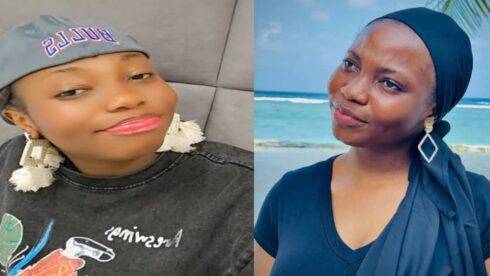
Popular Nigerian comedian and content creator, Maryam Apaokagi-Greene, popularly known as Taooma, has sparked conversations online after opening up about her postpartum struggles. The skit-maker, who recently welcomed her first child, took to social media to express her frustration with post-baby body changes and societal expectations. In a heartfelt post, she humorously referenced the famous bald-headed character, Papa Ajasco, questioning whether drastic physical changes were necessary before people would acknowledge her postpartum challenges.
Her candid revelation has resonated with many mothers and women facing similar experiences. The entertainment industry, known for its emphasis on appearance and constant public scrutiny, often makes it difficult for celebrities to openly discuss personal struggles. By shedding light on her journey, Taooma is breaking the silence on an issue many women endure in private.
The Silent Battle: Postpartum Challenges Beyond the Smile
Taooma, known for her energetic and humorous skits, surprised fans by revealing the emotional toll of childbirth and motherhood. Despite maintaining her signature witty personality online, she admitted that the postpartum period has been far from easy. Her struggles with body image, fatigue, and societal expectations reflect a broader issue affecting new mothers, particularly those in the public eye.
Postpartum depression and body dysmorphia are often overlooked in Nigeria, where cultural norms expect women to “snap back” quickly after childbirth. For celebrities like Taooma, the pressure is even more intense, as fans, critics, and the media closely monitor their appearance and lifestyle changes. Her openness about this reality is a rare but necessary conversation starter on mental health and self-acceptance in motherhood.
From Laughter to Reality: Navigating Motherhood as a Public Figure
Balancing a thriving career and new motherhood is no easy feat, and Taooma’s revelation sheds light on the unseen struggles of many celebrity mothers. The demand to continuously create content, engage with fans, and meet brand obligations while dealing with sleepless nights and hormonal shifts can be overwhelming. Many female entertainers fear losing relevance or being judged for stepping back to focus on family life.
Taooma’s honesty challenges the perception that celebrities have it all figured out. While social media often presents an idealized version of motherhood, her experience highlights the raw, unfiltered reality. This transparency helps normalize the difficulties of postpartum recovery and reminds fans that behind the viral skits and comedic persona is a human being navigating a deeply personal journey.
Societal Pressure and the “Snap-Back” Culture in Nigeria
In Nigeria, the unrealistic expectation for new mothers to instantly return to their pre-pregnancy bodies remains a pressing issue. Women, especially in the entertainment industry, face immense pressure to maintain their looks, often leading to unhealthy weight-loss practices, low self-esteem, and even depression. Taooma’s question—”Is it until I become Papa Ajasco?”—highlights the unfair scrutiny women endure when they experience normal postpartum changes like weight gain and hair loss.
This cultural pressure is reinforced by social media, where edited images of celebrities create an illusion of effortless postpartum recovery. Taooma’s decision to voice her truth disrupts this narrative, encouraging women to embrace their postpartum bodies without fear of judgment. By addressing this issue, she is advocating for a shift in societal mindset—one that prioritizes a mother’s well-being over superficial expectations.
The Growing Awareness of Postpartum Mental Health
Taooma’s experience is part of a larger conversation on postpartum mental health, an issue that is often overlooked in Nigeria. Many women suffer in silence due to the stigma surrounding mental health discussions. Depression, anxiety, and self-doubt are common postpartum struggles, yet societal norms discourage women from speaking openly about their experiences.
With more Nigerian celebrities like Taooma sharing their struggles, awareness is gradually increasing. Mental health professionals have emphasized the need for postpartum support systems, including therapy, community discussions, and medical intervention where necessary. By speaking up, Taooma is not only helping herself heal but also giving other women the courage to seek help and share their own experiences.
What’s Next? Taooma’s Influence Beyond Comedy
Taooma’s boldness in addressing postpartum struggles sets the stage for deeper conversations on motherhood, self-image, and mental health in Nigeria. As a highly influential figure in the entertainment industry, her voice carries weight, and her transparency has the power to inspire change. If more celebrities embrace this honesty, it could lead to a broader cultural shift where postpartum recovery is normalized and supported.
As fans rally around her with messages of encouragement, Taooma’s story serves as a reminder that every new mother—celebrity or not—deserves grace, patience, and understanding. Whether she chooses to continue using humor to navigate these challenges or takes a break to focus on herself, one thing is certain: her impact extends far beyond comedy. She is now an advocate for body positivity, mental health, and the realities of postpartum life.
Table of Contents
Discover more from OGM News NG
Subscribe to get the latest posts sent to your email.