








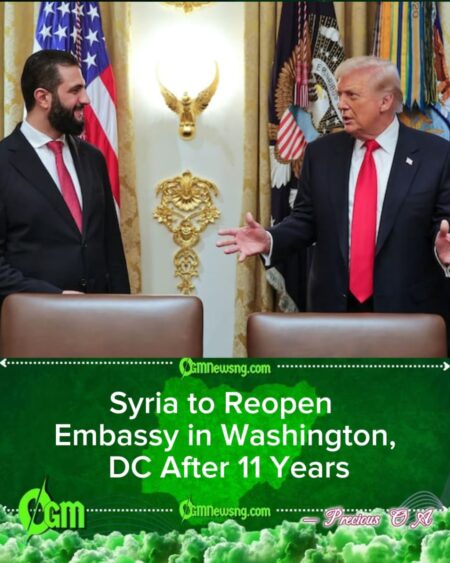
Syria is set to reopen its embassy in Washington, DC, signaling a cautious but notable thaw in diplomatic ties with the United States after more than a decade of frozen relations. The decision marks the first formal diplomatic presence of Syria in the U.S. since the embassy’s closure in 2014, amid escalating tensions during the Syrian civil war. Government officials from both nations have described the move as a step toward improving communication and cooperation on regional security, political dialogue, and humanitarian concerns. The reopening, while symbolic, is also seen as a pragmatic measure to address practical diplomatic needs, including consular services and direct communication channels that have been absent for over a decade.
Syria has reportedly been coordinating the reopening for several months, working closely with U.S. officials to ensure that all legal, logistical, and operational protocols are fully met. Discussions on consular staffing, embassy security, and the establishment of office operations have been ongoing for months, reflecting a careful and deliberate approach to restoring formal diplomatic presence. “This is a significant milestone in our bilateral relationship,” said a U.S. diplomatic official. The official added that the reopening is intended as a channel for structured dialogue and collaboration rather than signaling full normalization of relations, emphasizing that incremental progress is the objective.
Syria’s return to Washington is expected to provide a platform for humanitarian engagement, including addressing the challenges faced by Syrian refugees and displaced persons who require consular assistance. Analysts suggest that the presence of an official mission will allow both countries to tackle issues more directly, such as the safe passage of humanitarian aid, discussions on reconstruction, and monitoring of regional security developments. Observers note that a functioning embassy also gives Syria a formal avenue to convey its position on international negotiations and regional peace initiatives, which had previously been limited to indirect or mediated channels.
The decision has sparked discussions among political analysts and foreign policy experts, who argue that it represents a measured attempt at rapprochement without signaling unconditional alignment. While Syria regains a formal foothold in the U.S., the reopening underscores the challenges of rebuilding trust, managing political sensitivities, and navigating complex historical grievances that have shaped U.S.-Syria relations for over a decade. Experts highlight that the move is both symbolic and strategic, offering a controlled framework for future diplomatic engagement while balancing domestic and international scrutiny.
Preparations Underway for Embassy Operations
Syria has begun extensive preparations for staffing its embassy in Washington, DC, ensuring that key diplomatic positions are filled with experienced personnel capable of managing a range of consular and diplomatic responsibilities. Security protocols are being implemented in collaboration with U.S. authorities to protect both embassy personnel and visitors, reflecting the high level of attention to operational and political sensitivities. The embassy premises are also being refurbished and upgraded to meet modern standards, demonstrating Syria’s commitment to establishing a professional and fully functional diplomatic mission.
Syria is expected to manage a comprehensive array of consular services, including visa issuance, citizen support, and cultural outreach initiatives. Officials have emphasized that operations will comply with international norms and U.S. regulations governing foreign missions, signaling a responsible and transparent approach to diplomacy. These preparations indicate that Syria aims not only to restore its presence but also to deliver tangible benefits to citizens and maintain effective communication with U.S. institutions.
The U.S. State Department has been actively coordinating with Syrian representatives to ensure that the reopening proceeds smoothly. This includes reviewing consular procedures, establishing communication channels, and monitoring security arrangements. Diplomatic sources note that both sides are committed to creating a sustainable and functional presence while carefully managing the political optics of re-engagement. The coordination process has also involved planning for community outreach, media engagement, and potential collaborations with think tanks and policy institutions in Washington.
Syria may also leverage its embassy to expand diplomatic and cultural engagement beyond routine consular services. This includes exploring opportunities in trade discussions, regional cooperation initiatives, and dialogue with international organizations based in the U.S. Such engagements are expected to facilitate incremental trust-building and foster collaboration on complex regional and global issues. Observers highlight that reestablishing a presence in the U.S. capital provides Syria with a platform to participate more directly in multilateral discussions and potentially influence diplomatic outcomes on matters of strategic interest.
Reactions and Implications for U.S.-Syria Relations
Syria has framed the reopening as a positive step toward rebuilding dialogue and enhancing direct diplomatic communication. Officials emphasize that formal channels are essential for conflict resolution, regional stability, and effective coordination on humanitarian and political matters. They insist that the reopening does not imply alignment with U.S. policies but rather represents a constructive approach to managing relations in a volatile regional context.
U.S. officials have largely welcomed the reopening as a pragmatic step that allows for oversight, engagement, and structured consular services. Experts argue that the embassy provides practical mechanisms for diplomacy, which can help address both bilateral and regional concerns. Analysts also note that while full normalization of relations remains distant, the presence of a functioning embassy offers a tangible opportunity to monitor developments, facilitate dialogue, and coordinate humanitarian initiatives.
Syria’s decision has elicited mixed reactions from the public and policymakers alike. Advocates for diplomacy have praised the move, emphasizing the importance of direct communication in managing conflicts and humanitarian crises. Critics, however, caution that Syria’s domestic political dynamics and human rights record may complicate diplomatic engagement and limit the mission’s effectiveness. Public discourse online reflects a combination of optimism, curiosity, and skepticism, illustrating the delicate balance that accompanies the reopening of a mission after such a prolonged hiatus.
Syria’s return to Washington, DC, represents both a symbolic and practical milestone in its relationship with the United States. While the reopening signals cautious engagement, it simultaneously underscores the challenges ahead in rebuilding trust and establishing effective collaboration. For diplomats, policymakers, and the public, the development marks a pivotal moment in U.S.-Syria relations, highlighting the complexities and opportunities inherent in restoring formal channels after more than a decade of minimal contact. The coming months will likely test the embassy’s ability to function effectively and shape the broader trajectory of diplomatic relations in the region.
Table of Contents
Discover more from OGM News NG
Subscribe to get the latest posts sent to your email.