







Slovakia has announced the suspension of emergency electricity supplies to Ukraine, citing domestic energy security concerns and shifting policy priorities. The decision marks a notable development in regional energy cooperation amid ongoing pressures on infrastructure and supply chains across Eastern Europe.
The move comes after months of intermittent support, during which cross-border electricity transfers helped stabilize Ukraine’s grid during periods of strain. Officials in Bratislava indicated that the suspension is temporary but did not provide a firm timeline for resumption.
Slovakia emphasized that the decision was taken following internal assessments of national capacity and long-term energy planning. Authorities stressed that maintaining reliable domestic supply remains a top priority, particularly as seasonal demand fluctuations approach.
Regional Energy Pressures Intensify
Slovakia has faced mounting energy challenges in recent years, balancing export commitments with domestic consumption needs. Rising costs and infrastructure limitations have complicated decisions regarding surplus electricity allocation.
Energy analysts note that cross-border transfers require careful calibration to prevent strain on national grids. Even short-term assistance arrangements can become politically sensitive if domestic shortages are perceived.
Slovakia indicated that technical evaluations of transmission capacity and reserve margins played a central role in the decision. Officials maintained that national grid stability must be safeguarded before extending external support.
Slovakia and Cross-Border Energy Cooperation
Slovakia has historically participated in European energy solidarity mechanisms designed to respond to emergencies. Such frameworks allow neighboring states to provide short-term assistance when systems are under stress.
The current suspension reflects a recalibration rather than a wholesale withdrawal from cooperative principles. Authorities signaled that dialogue with Ukrainian counterparts remains open.
Slovakia underscored that the suspension does not signal a broader shift in its diplomatic stance toward Ukraine. Instead, the government framed the move as a pragmatic response to evolving technical and economic realities.
Impact on Ukraine’s Power Grid
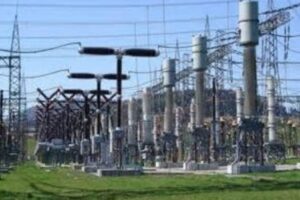
Slovakia’s emergency electricity deliveries had contributed to stabilizing Ukraine’s power infrastructure during peak disruption periods. Reduced inflows may require Ukrainian operators to seek alternative sources or implement internal balancing measures.
Energy experts suggest that diversified supply routes across Europe can mitigate immediate impacts. However, the loss of one supplier may increase operational complexity.
Slovakia clarified that its decision applies specifically to emergency supplies rather than all forms of energy cooperation. Broader commercial and interconnection agreements remain under review.
Domestic Political and Economic Considerations
Slovakia has faced domestic debate over the extent of its external commitments amid rising energy costs. Public discourse has increasingly focused on affordability and long-term energy resilience.
Lawmakers have argued that energy policy must reflect both solidarity and national interest. The balance between supporting regional partners and protecting domestic consumers has become a recurring theme.
Slovakia stated that further assessments will determine whether adjustments to export policy are necessary in the coming months. Energy regulators continue to monitor supply-demand metrics closely.
Outlook for Regional Energy Stability
Slovakia reiterated its commitment to constructive engagement within European energy networks. Officials indicated that the suspension remains subject to periodic review as conditions evolve.
Regional coordination will likely continue through multilateral platforms designed to manage electricity flows and contingency planning. Policymakers across Central and Eastern Europe are working to strengthen infrastructure resilience.
Slovakia’s decision highlights the complexities of energy diplomacy in a period marked by uncertainty. As regional dynamics shift, governments must weigh immediate domestic needs against broader cooperative responsibilities.
Table of Contents
Discover more from OGM News NG
Subscribe to get the latest posts sent to your email.