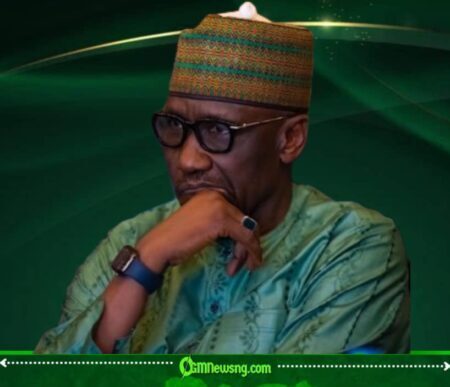







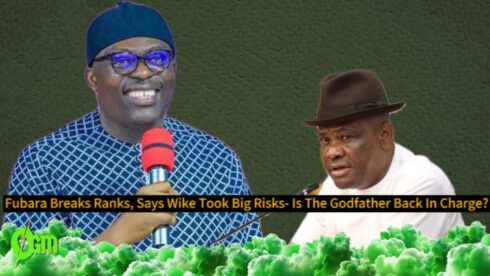
Governor Siminalayi Fubara, currently under suspension, addressed Rivers State supporters in a candid, emotionally-charged meeting on May 29, 2025, revealing details of his peace pact with the FCT Minister, Nyesom Wike. Speaking in defiance of social media speculation, Fubara insisted that his words were not hearsay but firsthand truths, delivered directly to his base.
He declared that peace, though painful, was the only viable way forward, despite deep wounds inflicted during months of political upheaval. “We have fought,” he said, “and anyone who is genuine in this struggle knows we’ve done all we could. Now, the only solution is peace.” His words triggered instant reactions across party lines, with loyalists divided between relief and betrayal.
Giving the Devil His Due? Fubara Acknowledges Wike’s Pivotal Role
Perhaps the most controversial moment came when Fubara openly praised his political rival and former ally, Nyesom Wike. “Nobody can take away the role Wike played. Nobody can wish away the risk he took,” he stated, sending ripples across the Rivers political landscape. The olive branch raised eyebrows, especially among Fubara’s hardline supporters who have spent months criticizing Wike’s dominance.
While Fubara acknowledged past differences, he urged supporters to move beyond bitterness and embrace reconciliation. “If today there’s need for us to settle, please, anyone who genuinely believes in me should understand it’s the right thing to do,” he said. Critics, however, argue this may be a political masterstroke by Wike to reassert control through calculated diplomacy.
Peace Accord or Political Capitulation? Supporters React
Fubara’s peace message was met with mixed reactions. For some, it signaled maturity and strategic leadership. For others, it felt like capitulation. Social media platforms erupted, with hashtags like #FubaraSoldOut and #RiversPeaceDeal trending within hours. Civil society groups, youth coalitions, and local commentators questioned whether this “peace” is simply veiled submission.
Some analysts view this truce as a tactical survival move amid growing pressure from the presidency and the political establishment. The peace process, they argue, may be less about unity and more about preserving office. “It’s not about me as a person — it’s about the state,” Fubara reiterated, but many believe the statement veils a deeper power negotiation.
Projects Stalled, State Progress Derailed Amid Feud
Fubara lamented that the prolonged crisis has derailed key infrastructural developments in the state. “In the midst of this crisis, look at the projects we’ve initiated. Many have been abandoned,” he revealed. Observers cite delays in road construction, hospital upgrades, and educational programs as evidence of the political war’s toll.
The governor emphasized the necessity of peace to restore momentum. “We know the progress we would have recorded… so there’s need for peace — that’s the truth,” he stated. Analysts agree that while peace is expensive, political instability is costlier, especially in a state historically plagued by factionalism.
Heavy Sacrifice Ahead: Fubara Warns of Costly Reconciliation
Fubara didn’t sugarcoat the cost of peace. He warned that total reconciliation would demand painful sacrifices from his followers. “The sacrifice we’re going to make to achieve this peace is going to be heavy,” he admitted, urging supporters to prepare for tough days ahead. His metaphor of the Tilapia fish – a native species that survives by burying its head – underscores his strategy: endure, survive, and grow.
To some, this reflects a humble yet strategic retreat. But to others, it’s a stark admission of defeat. “We’ve done our best, and what we need now is peace,” he concluded. Political observers say this may be the most fragile and reluctant truce Rivers has seen in recent history — one that could collapse if either side feels shortchanged.
Presidency’s Invisible Hand: Tinubu’s Role in the Reconciliation?
Though not named directly, President Bola Tinubu’s influence hovered over Fubara’s speech. “If we believe our interest is to support the President, then what is the issue?” Fubara asked. Political insiders suggest that the presidency may have quietly pressured both factions to end hostilities for national cohesion and economic progress.
Federal alignment with Wike — Tinubu’s staunch supporter — has long fueled Fubara’s precarious political journey. Analysts believe this peace deal may be a federally brokered solution to protect larger political interests ahead of 2027. But whether this peace is sustainable remains a lingering question — one that only time, and the next political showdown, can answer.
Table of Contents
Discover more from OGM News NG
Subscribe to get the latest posts sent to your email.