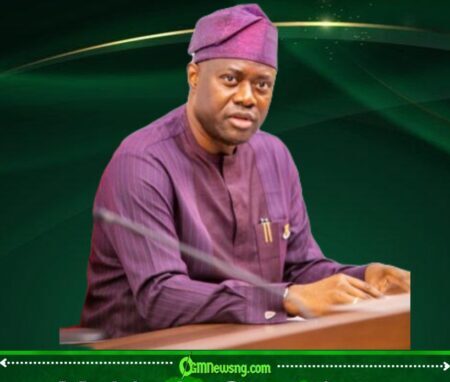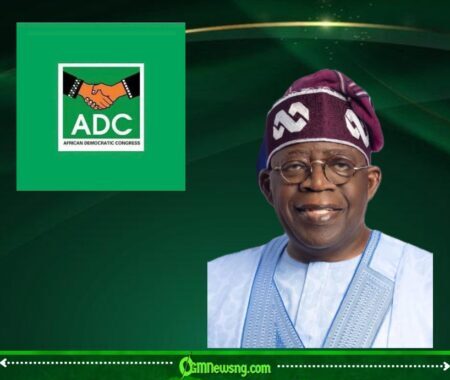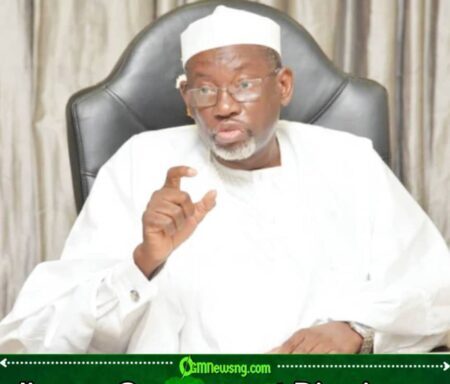





Julius Maada Bio, President of Sierra Leone, has been elected as the new Chairman of the Economic Community of West African States (ECOWAS), replacing Nigerian President Bola Tinubu after a stormy two-year tenure. The transition, announced at the ECOWAS summit in Abuja, signals a leadership shift at a moment when the bloc faces its gravest existential crisis in decades.
Julius Maada Bio emphasized unity and dialogue in his inaugural remarks, urging member nations to “return to the path of brotherhood and collective prosperity.” While some welcomed his conciliatory tone, others questioned whether his relatively modest political weight can meaningfully reshape ECOWAS’s deeply fractured landscape.
Julius Maada Bio Inherits Tinubu’s Troubled Legacy
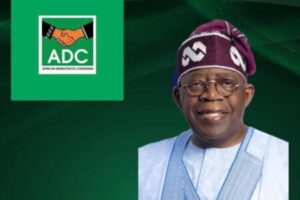
Julius Maada Bio is taking over at a time when ECOWAS’s reputation has been bruised by President Tinubu’s hardline posture toward military juntas in Mali, Burkina Faso, and Niger. Tinubu’s threat of military intervention against Niger drew fierce backlash from both within and outside the bloc, ultimately deepening the rift and catalyzing withdrawals.
Julius Maada Bio now faces the delicate task of rebranding ECOWAS from an aggressor to a negotiator. While he praised Tinubu for his “defense of democratic values,” Bio has quietly indicated that future actions will be grounded in diplomacy rather than force—a clear deviation from Tinubu’s combative style.
Julius Maada Bio Navigates a Broken Bloc
Julius Maada Bio must contend with a severely weakened ECOWAS, which has lost three member states—Niger, Mali, and Burkina Faso—who now operate under the separate Alliance of Sahel States. These defections not only expose ECOWAS’s fragility but also raise questions about the bloc’s future cohesion and geopolitical relevance.
Maada Bio, in his address, acknowledged the “painful departure” of these countries and extended an olive branch for renewed dialogue. However, analysts argue that re-integrating the breakaway states will require more than words—it demands a full-scale overhaul of ECOWAS’s governance model and intervention doctrine.
Julius Maada Bio’s Leadership Credibility Under the Microscope
Julius Maada Bio’s selection has stirred quiet concerns among regional observers who cite his controversial domestic record. His administration in Sierra Leone has faced allegations of electoral malpractice, press suppression, and economic stagnation—issues critics believe could undermine his legitimacy as a regional moral voice.
Maada Bio, however, used the summit to portray himself as a “democratic reformist” with a track record of building consensus. Yet, skeptics wonder whether his rhetoric will match the political heft needed to steer ECOWAS through a storm of military regimes, economic discontent, and citizenY disenchantment.
Julius Maada Bio Pushes for Dialogue Over Deterrence
Julius Maada Bio is already signaling a significant policy reversal: diplomacy over deterrence. He revealed plans to open backchannel communications with junta-led governments, emphasizing peacebuilding, mediation, and economic partnership over threats and sanctions—a striking contrast to Tinubu’s saber-rattling tone.
Maada Bio argued that “lasting peace cannot be forced by gunboats but built on trust.” This stance may earn him praise among Pan-Africanists and civil society groups, but critics worry that his leniency could embolden anti-democratic forces, weakening ECOWAS’s foundational stance on constitutional governance.
Maada Bio Faces Massive Economic Pressures
Maada Bio inherits a community beset by inflation, cross-border trade barriers, and a stalled single currency project (the ECO). As Chair, he must navigate the economic fallout of fractured regional alliances while convincing investors and member states that ECOWAS remains a viable vehicle for prosperity.
Maada Bio promised to “breathe new life into our economic integration agenda,” but achieving that will require overcoming bureaucratic inertia and political mistrust. Without strong financial backing—largely dependent on Nigeria’s commitment—Bio’s vision could prove more symbolic than substantial.
Table of Contents
Discover more from OGM News NG
Subscribe to get the latest posts sent to your email.