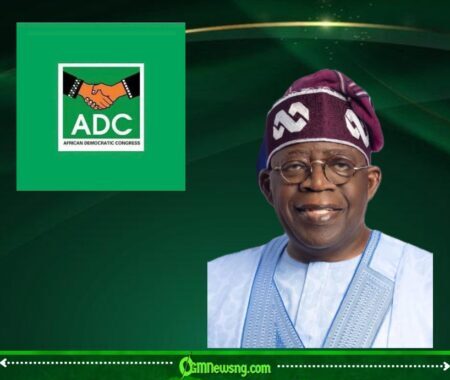
Senate President Godswill Akpabio has been directed by the Federal High Court in Abuja to file his response to a lawsuit initiated by Senator Natasha Akpoti-Uduaghan (Kogi Central). Justice Obiora Egwuatu issued the order after confirming that all respondents, including Akpabio, had been served with the necessary court documents.
Godswill Akpabio, who presides over Nigeria’s upper legislative chamber, is at the center of this legal battle, which stems from a Senate investigation into Akpoti-Uduaghan’s conduct during a February 20 plenary session. The embattled senator is seeking judicial intervention to prevent the Senate Committee on Ethics, Privileges, and Code of Conduct from proceeding with the inquiry, arguing that it is politically motivated.
Godswill Akpabio Named in High-Profile Legal Suit
Godswill Akpabio has been specifically named as a key defendant in the lawsuit, registered as FHC/ABJ/CS/384/2025, alongside the Clerk of the National Assembly and Senator Neda Imasuem, who chairs the Ethics Committee overseeing the disputed investigation. The legal action challenges the Senate’s authority to probe Akpoti-Uduaghan without adhering to procedural fairness.
Akpabio’s position as Senate President makes this case particularly significant, as it raises broader constitutional questions about legislative discipline and judicial oversight. While the Senate has internal mechanisms for maintaining order among its members, the court’s intervention signals a growing tension between the judiciary and the legislative arm of government.
Court Blocks Senate from Acting Pending Akpabio’s Response
Godswill Akpabio’s leadership of the Senate has now come under judicial scrutiny, as the Federal High Court granted a temporary injunction halting the investigation. On March 4, Justice Egwuatu ruled that any actions taken by the Senate Committee while the case is in court would be rendered null and void.
Godswill Akpabio and his legal team are now expected to outline their defense, determining whether the Senate can proceed with the disciplinary probe or if the court will impose further restrictions. Analysts suggest that this ruling curtails the Senate President’s authority in managing internal affairs, potentially setting a precedent for future legislative conflicts.
Akpabio’s Senate Leadership Questioned Amid Political Tensions
Akpabio has yet to publicly address the court’s decision, but sources close to his office suggest that he views the lawsuit as an encroachment on the Senate’s autonomy. Supporters of Akpabio argue that legislative bodies should have the power to regulate their own affairs without external interference, while critics claim the investigation into Akpoti-Uduaghan is a political witch-hunt.
Akpabio’s handling of this situation will be a test of his leadership, as the case could shape his legacy in the Senate. If he fails to navigate this dispute effectively, it may embolden other lawmakers to challenge Senate procedures through the judiciary, potentially weakening the legislative body’s authority.
Akpabio Under Pressure as Legal Experts Weigh In
Akpabio’s role in this controversy has sparked reactions from legal experts, some of whom argue that the Senate Ethics Committee must adhere to due process while conducting disciplinary investigations. Others contend that the judiciary should not overstep its boundaries by interfering in legislative matters, a position that could bolster Akpabio’s defense.
Akpabio’s legal team is now expected to submit a formal response detailing their position on the matter. Observers believe that the court’s final ruling could either reinforce the Senate’s disciplinary authority or establish stricter judicial oversight over internal legislative proceedings.
Akpabio’s Next Move: Legal Battle or Political Compromise?
Akpabio now faces a crucial decision: whether to comply with the court’s ruling and file a response or challenge the injunction in a higher court. The outcome of this legal battle will have significant implications not just for Akpoti-Uduaghan but for the balance of power between the Senate and the judiciary.
Akpabio’s ability to manage this crisis will define his tenure as Senate President. If he successfully defends the Senate’s right to investigate its members, he may solidify his authority. However, if the court rules against him, it could embolden future legal challenges against Senate leadership, reshaping legislative governance in Nigeria.
Table of Contents
Discover more from OGM News NG
Subscribe to get the latest posts sent to your email.