







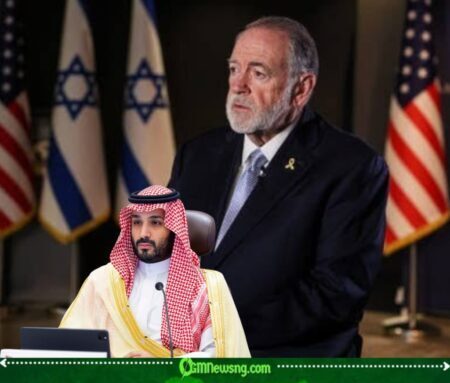
Saudi Arabia issued a strong statement condemning comments attributed to the U.S. Ambassador to Israel suggesting that Israel should take control of the entire Middle East. The Kingdom described the reported remarks as irresponsible and destabilizing, emphasizing that such rhetoric undermines regional sovereignty and international law.
Saudi Arabia reaffirmed its long-standing position supporting the sovereignty and territorial integrity of all nations in the region. Officials stressed that any suggestion of regional domination contradicts principles of peaceful coexistence and diplomatic engagement.
Saudi Arabia called on international partners to clarify and distance themselves from statements that could inflame tensions. The Foreign Ministry underscored the importance of measured language, particularly at a time of heightened geopolitical sensitivity.
Regional Reaction and Diplomatic Sensitivities
Saudi Arabia noted that rhetoric advocating territorial expansion risks exacerbating already fragile regional dynamics. The Middle East continues to navigate complex security challenges, making diplomatic restraint essential.
Other regional governments have also expressed concern over inflammatory political language, warning that such statements could derail ongoing diplomatic efforts and normalization discussions.
Analysts observe that public condemnations serve both domestic and international purposes, signaling commitment to regional stability while reinforcing diplomatic red lines.
Saudi Arabia and the Principle of Sovereignty
Saudi Arabia emphasized that respect for sovereignty remains a cornerstone of its foreign policy. The Kingdom reiterated support for a rules-based international order grounded in mutual recognition and cooperation.
Saudi Arabia’s statement highlighted the importance of resolving disputes through dialogue rather than unilateral assertions of power. Officials argued that regional stability depends on inclusive political solutions.
International law experts note that statements implying territorial control beyond recognized borders can carry significant diplomatic consequences, particularly when voiced by senior officials.
U.S.–Middle East Relations Under Scrutiny
Saudi Arabia’s condemnation places renewed attention on U.S. diplomatic messaging in the region. Bilateral relationships often hinge not only on policy decisions but also on the tone and clarity of official remarks.
Observers suggest that Washington may seek to clarify the context of the ambassador’s comments to prevent further escalation. Diplomatic channels typically move quickly to contain controversies that risk broader fallout.
The episode illustrates how rhetoric can influence perceptions of strategic intent, even when no formal policy shift has been announced.
Broader Implications for Regional Stability
Saudi Arabia warned that escalatory language could embolden hardline actors and complicate delicate negotiations across multiple fronts, including security coordination and economic cooperation.
Regional stability is already tested by ongoing conflicts, proxy rivalries, and humanitarian crises. Additional strain from diplomatic controversies may hinder collaborative initiatives.
Policy experts stress that maintaining stability requires careful communication, especially among influential international actors whose statements resonate widely.
Looking Ahead
Saudi Arabia reiterated its commitment to diplomacy, dialogue, and peaceful conflict resolution. Officials expressed hope that clarifications would help prevent misunderstanding and reaffirm shared commitments to stability.
Saudi Arabia indicated that it will continue engaging with international partners to promote de-escalation and constructive cooperation in the region.
The broader impact of the controversy will depend on subsequent diplomatic exchanges and public messaging. For now, the Kingdom’s firm response underscores the sensitivity of regional sovereignty issues and the importance of responsible rhetoric in international affairs.
Table of Contents
Discover more from OGM News NG
Subscribe to get the latest posts sent to your email.