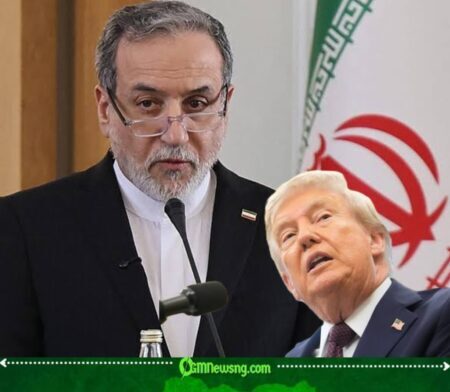










Saudi Arabia and Kuwait have officially declared a ban on all Israeli passport holders, underscoring rising tensions in the Middle East and marking a stark shift in their border policies. The announcement includes a direct warning that Israeli citizens attempting entry will face immediate arrest, signaling a firm stance against Israel at a time when regional diplomacy remains fragile. This development has raised widespread concerns over security, diplomacy, and the future of negotiations involving Gulf states and Western powers.
A Sharp Break in Regional Policy
Saudi Arabia and Kuwait emphasized that the ban reflects a deliberate and coordinated stance against Israeli policies. By formally aligning their positions, the two nations delivered a joint message of resistance to what they described as ongoing violations against Palestinians.
Officials explained that the move was grounded in both political and moral obligations. They argued that regional solidarity required bold action, particularly as tensions have escalated in recent months. The governments stressed that their decision was a matter of sovereignty, not just diplomacy, highlighting that nations have a duty to protect their principles as well as their borders.
The language of the ban was particularly striking. By warning of arrests, the two governments moved beyond symbolic protests and into strict enforcement. Analysts suggest this marks a departure from past approaches, when restrictions existed but were less explicitly punitive. Now, the wording gives the ban a sense of finality and seriousness that had not previously existed.
Observers across the region argue that the timing of the decision is significant. With the United States, under President Trump’s second-term leadership, seeking ways to stabilize peace channels, the ban complicates broader diplomatic efforts. The move also comes as international pressure builds for renewed negotiations over the future of Palestine, meaning the decision may further harden divisions at a critical moment.
Regional and International Repercussions
The coordinated action is expected to ripple across Middle Eastern geopolitics, influencing both allies and rivals. As two influential Gulf states, their policy shift carries considerable weight and may set a precedent for others. Already, diplomatic experts warn that countries sympathetic to the Palestinian cause could view this as a model for their own restrictions.
Saudi Arabia and Kuwait, by taking this hardline approach, have also placed Washington in a difficult position. The United States has historically encouraged dialogue, but the explicit threat of arrest leaves little room for negotiation. This complicates long-standing American efforts to balance its alliance with Israel and its partnerships in the Gulf.
For Israel, the announcement creates a new obstacle in its already limited ties with the region. Although broad access was restricted in the past, the explicit criminalization of entry marks a more hostile turn. Concerns are rising that accidental crossings or emergency transits could create humanitarian or diplomatic incidents, placing both travelers and international carriers in precarious positions.
Meanwhile, international reactions have been mixed. European governments voiced unease about travel and trade complications, while some Asian nations expressed understanding, framing the move as a response to regional instability. Human rights organizations have also raised questions about the broader implications of criminalizing entry based solely on nationality, warning that such measures could set difficult precedents in international law.
Future Outlook and Diplomatic Uncertainty
Saudi Arabia and Kuwait now face questions about how this policy fits into their long-term strategies. For Saudi Arabia in particular, the move seems at odds with its Vision 2030 plan, which has emphasized modernization, openness, and attracting global investment. Analysts warn that potential investors may hesitate if political decisions appear to undermine stability and predictability.
Their alignment also signals to other Arab nations that strong collective action remains possible. Kuwait, long known for its cautious diplomacy, lending support to the ban, gives the policy a heightened level of seriousness. The collaboration demonstrates that despite occasional differences among Gulf Cooperation Council members, unified positions are still achievable on issues deemed central to regional identity and solidarity.
Regional analysts warn that the ban could deepen divisions, reducing opportunities for cooperation on issues such as energy security, counterterrorism, and maritime trade. Western partners who rely on Gulf states in these areas may find coordination increasingly strained. This could have knock-on effects for global markets, particularly in the energy sector, where Saudi Arabia plays a dominant role.
The coming months will be critical in determining whether this represents a permanent stance or a tactical maneuver. Some suggest the ban could eventually be used as a bargaining chip in larger negotiations involving Palestinian statehood or regional security guarantees. Until then, Israeli passport holders face an unprecedented level of restriction, highlighting the fragile state of Middle Eastern diplomacy and underscoring the risks of escalation in an already volatile region.
Table of Contents
Discover more from OGM News NG
Subscribe to get the latest posts sent to your email.