








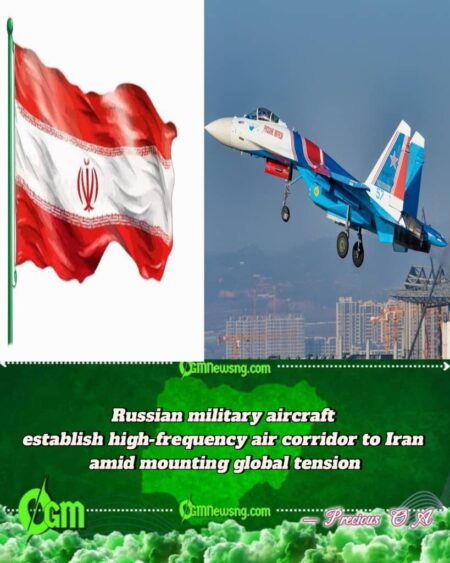
Russian military aircraft have become the center of growing international scrutiny as intelligence reports confirm nonstop flights between key Russian military production sites and Iranian airfields. The flights, which began increasing in frequency over recent months, are now a regular feature of the Moscow–Tehran defense network, signaling a deepening strategic alignment between the two nations.
Russian military aircraft reportedly depart from industrial hubs in Ulyanovsk, Kazan, and Taganrog—cities long associated with the manufacture of advanced aircraft, drones, and missile systems. Satellite tracking shows these planes landing at Iranian airbases known to host the Islamic Revolutionary Guard Corps (IRGC). Western intelligence officials describe the pattern as “highly coordinated,” suggesting that the missions are more than routine transport operations.
While the exact cargo remains classified, defense analysts believe the shipments include weapons components, drone parts, and radar systems that could support joint production lines between Russia and Iran. The nonstop nature of these flights enables Moscow to move critical equipment without overflight stops that might expose the missions to inspection or interception.
The development also reflects a shift in Russia’s logistical strategy. Since maritime and overland routes have become increasingly difficult under Western sanctions, aerial transport offers Moscow a faster and less traceable supply method. For Iran, the arrangement strengthens its military capabilities while reinforcing its geopolitical partnership with Russia amid growing global isolation.
Strategic Cargo and Suspected Transfers
Russian military aircraft are believed to be carrying an array of dual-use materials—goods that can serve both civilian and military purposes. Intelligence sources point to possible shipments of high-performance engines, optics, and avionics systems that can be incorporated into drones, fighter jets, and air defense technologies. The transfers are suspected to support Iran’s drone and missile programs, which have expanded sharply since 2022.
Russian military aircraft have also been linked to personnel exchanges, transporting engineers, technicians, and military specialists between both nations. Experts suggest that these visits are helping Iran improve its drone-manufacturing facilities, particularly in Isfahan, where joint Russian-Iranian projects are reportedly underway. This cooperation has raised alarm among Western officials who fear the partnership could accelerate the production of long-range strike systems.
The U.S. and its allies view the nonstop flights as a direct attempt to bypass export restrictions. With the Caspian Sea air corridor largely outside NATO’s surveillance range, Russia and Iran can operate discreetly, avoiding maritime inspections and satellite exposure. This method effectively builds an “air bridge” of covert logistics that could sustain prolonged arms cooperation between both states.
Russian military aircraft have been observed using night flight schedules, minimizing radar visibility and electronic tracking signatures. Analysts argue that these operational tactics mirror those used during Soviet-era intelligence missions, emphasizing the level of planning involved. In the words of one European defense expert, “This is not improvisation—it’s institutional coordination designed to evade scrutiny.”
Russian military aircraft have reportedly expanded their destination network inside Iran as well, with new routes detected to bases near Mashhad and Qom. Such diversification could indicate that Tehran is preparing to receive more varied shipments, possibly including aircraft maintenance equipment or drone assembly materials.
International Reactions and Possible Countermoves
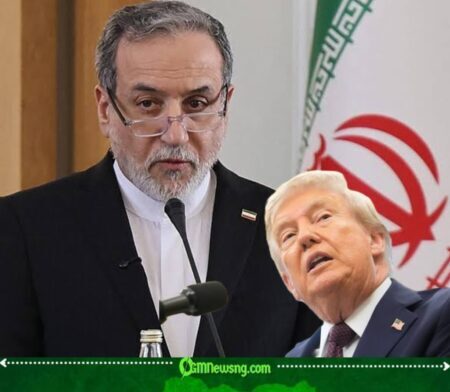
Russian military aircraft activities have prompted swift reactions from Western capitals. The Trump administration has expressed deep concern over the nonstop flights, describing them as a “strategic threat to international stability.” U.S. intelligence agencies are now intensifying satellite and radar surveillance of Russian air operations around the Caspian region to gather more evidence of arms transfers.
European allies are also alarmed. The United Kingdom, Germany, and France have jointly called for stricter export-control enforcement and have discussed extending sanctions to cover Russian aviation companies suspected of involvement. Diplomats in Brussels say the European Union may soon introduce penalties aimed at air logistics operators facilitating military cargo flights to Iran.
Russian military aircraft have meanwhile continued their operations unabated, defying Western criticism. Moscow insists that the flights are “legitimate trade and defense cooperation” with a sovereign ally. Tehran echoes this sentiment, accusing the West of “weaponizing intelligence” to undermine its national security. Analysts, however, say the rhetoric is designed to mask an expanding defense alliance rooted in shared opposition to Western influence.
Russian military aircraft have become symbolic of a new phase in Russia’s foreign policy—one defined by strategic self-reliance and deep partnerships with nations outside the Western sphere. This network, some experts warn, could eventually include other sanctioned states, creating a bloc capable of sustaining advanced military production despite international restrictions.
The growing air corridor raises significant challenges for U.S. policy. Washington’s sanctions have slowed Russia’s access to Western components but have not stopped its adaptation through Iranian cooperation. A senior U.S. defense official described the flights as “a silent supply chain in the sky—an alliance built on necessity, secrecy, and shared defiance.”
Russian military aircraft continue to depart daily from Russian factories bound for Iranian airfields, symbolizing not just logistical cooperation but a strategic bond. As Western powers weigh new sanctions and surveillance measures, the relentless rhythm of those flights underscores a stark reality: the Moscow–Tehran partnership is no longer just political—it is operational, airborne, and accelerating.
Table of Contents
Discover more from OGM News NG
Subscribe to get the latest posts sent to your email.