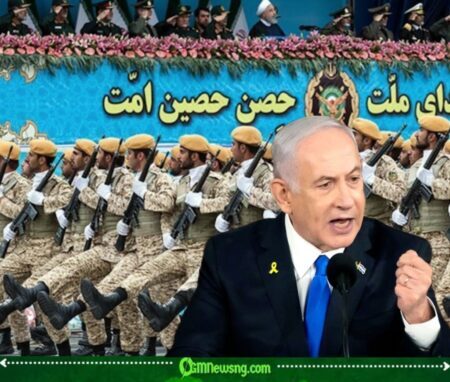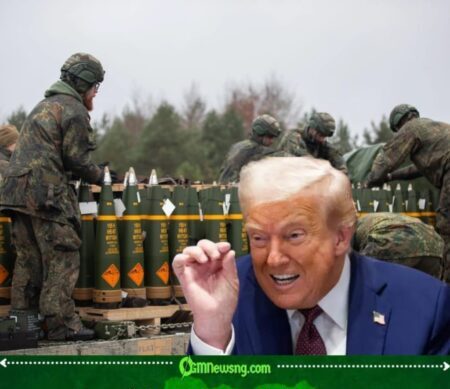








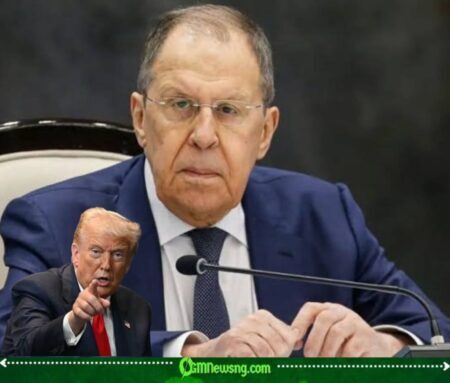
Russian Foreign Minister Lavrov said that recent actions by the United States and Israel could push Iran toward developing nuclear weapons, cautioning that mounting military and political pressure risks producing unintended consequences. He described the current trajectory as deeply destabilizing for the Middle East and for global non-proliferation efforts.
He argued that when a nation feels cornered, its leadership may calculate that deterrence becomes a necessity rather than an option. According to his remarks, sustained confrontation can harden positions instead of opening doors to compromise.
The comments come amid heightened tensions in the region, with diplomatic channels strained and rhetoric intensifying on multiple fronts. Observers say the situation remains fluid and potentially volatile.
Rising Regional Tensions
Russian Foreign Minister Lavrov pointed to recent strikes and counterthreats as examples of how quickly escalation can unfold. He suggested that such actions, rather than deterring Iran, may strengthen factions that advocate accelerating nuclear capabilities.
Analysts note that Iran has long insisted its nuclear program is peaceful, though skepticism from Western powers has persisted for years. The breakdown of previous agreements has further complicated attempts at restoring trust.
Regional governments are watching developments closely, aware that even limited confrontations can have cascading effects across borders.
Russian Foreign Minister Lavrov Calls for Diplomacy
Russian Foreign Minister Lavrov emphasized that diplomacy remains the only viable path to preventing nuclear proliferation in the region. He urged world powers to revive structured negotiations rather than rely solely on coercive measures.
Moscow has consistently advocated for multilateral dialogue involving key stakeholders. Efforts to reestablish a comprehensive framework would require concessions from all sides.
Diplomatic observers say rebuilding momentum for talks will be challenging but not impossible if parties prioritize long-term stability over short-term leverage.
Global Reactions and Strategic Stakes
Russian Foreign Minister Lavrov’s warning drew mixed reactions internationally, with some Western officials dismissing his assessment and others acknowledging the inherent risks of escalation. The debate underscores deep geopolitical divides.
Security experts caution that a nuclear-armed Iran could trigger broader strategic recalculations in the Middle East, potentially spurring rival states to pursue similar capabilities. Such a development would mark a significant setback for global non-proliferation norms.
The international community now faces the delicate task of balancing deterrence with engagement, aiming to reduce tensions without appearing to reward defiance.
The Risk of Miscalculation
Russian Foreign Minister Lavrov stressed that heightened military activity increases the possibility of miscalculation, particularly in regions already marked by historical rivalries. Even unintended incidents could escalate rapidly.
Strategists warn that once diplomatic channels close entirely, restoring communication becomes significantly harder. Preventive diplomacy often requires persistence and compromise from all parties.
The coming weeks may determine whether cooler heads prevail or whether confrontational strategies deepen the crisis.
What Lies Ahead
Russian Foreign Minister Lavrov concluded that global powers share a collective responsibility to prevent further deterioration. He urged renewed dialogue and restraint to avoid outcomes that could reshape regional security for decades.
International mediators may attempt to facilitate backchannel discussions in hopes of reducing hostilities. The success of such efforts will depend on political will and mutual assurances.
The broader challenge remains finding a sustainable path forward—one that addresses security concerns while minimizing the risk of igniting a new and dangerous phase in nuclear proliferation.
Table of Contents
Discover more from OGM News NG
Subscribe to get the latest posts sent to your email.