








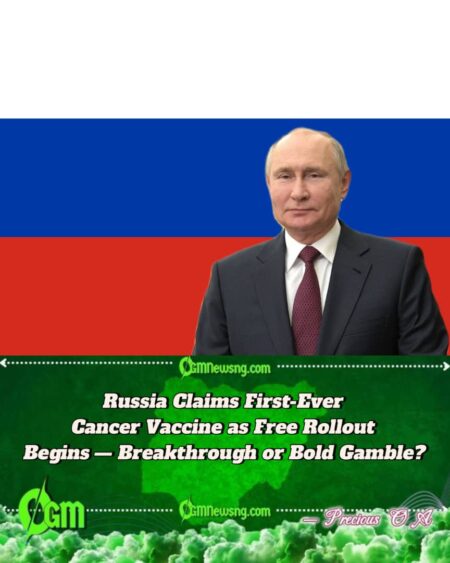
Russia has officially announced the availability of a cancer vaccine that has passed all major development stages and is ready for clinical use. The treatment, described as a “revolutionary leap in oncology,” will be offered free of charge to patients across the country.
Russia becomes the first nation to introduce a nationwide cancer immunization program. The World Health Organization estimates that nearly 10 million people die annually from cancer, making this step not just a domestic achievement but one with far-reaching global significance.
The Science Behind the Vaccine
Russia’s Ministry of Health explained that the vaccine was created after more than a decade of immunological research. It works by training the immune system to recognize and destroy tumor cells without harming surrounding healthy tissues. Unlike chemotherapy, which weakens the body, the vaccine builds lasting immune defense.
Researchers noted that the treatment is not a universal cure. Instead, it is tailored to cancer type and stage, reflecting the modern medical trend toward personalized therapies. Scientists also see promise in using the vaccine to prevent relapse in patients who have already undergone surgery or chemotherapy.
Free Access for Citizens
Russia has prioritized accessibility, pledging that the vaccine will be distributed at no cost through the national healthcare system. Hospitals in Moscow, St. Petersburg, and regional centers are preparing facilities to handle expected demand.
Officials stressed that by eliminating financial barriers, all patients—regardless of income—will have access to treatment. In contrast to advanced therapies that cost tens of thousands abroad, this move underscores the country’s commitment to equitable healthcare.
Patient Trials and Early Results
Russia conducted preliminary clinical trials on hundreds of patients, with encouraging results. Participants reported tumor shrinkage, slowed disease progression, and improved quality of life. Unlike conventional therapies, many avoided severe side effects.
Medical authorities revealed that survival rates among early recipients exceeded projections. While long-term studies are still ongoing, early evidence suggests the vaccine could become a cornerstone of future cancer treatment when used alongside existing therapies.
Global Reaction and Medical Community Response
Russia’s announcement has attracted worldwide attention. Many oncologists hailed the news as a breakthrough, while others emphasized the need for peer-reviewed data before global adoption.
The World Health Organization confirmed it is reviewing the vaccine for potential international use. If validated, this could pave the way for wider partnerships and give other nations access to the treatment.
Political and Diplomatic Implications
Russia’s success carries weight beyond healthcare. By leading in cancer immunization, the country strengthens its global standing and advances its role as a medical innovator. Analysts suggest this development could boost its influence in international diplomacy.
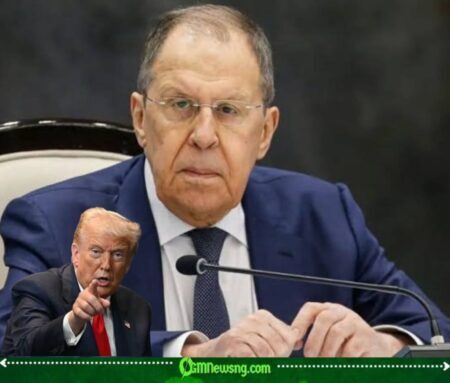
In Washington, U.S. President Donald Trump, serving his second term, has yet to issue an official statement. Still, American health agencies are monitoring developments closely, aware of the potential implications for oncology research worldwide.
Economic Considerations and Healthcare Investment
Russia invested heavily in developing the vaccine, and officials argue the long-term economic benefits will outweigh costs. By reducing cancer mortality and lowering treatment expenses, the nation expects to save billions in healthcare spending.
Economists predict that success could stimulate the domestic pharmaceutical sector and enhance Russia’s role as a global supplier of medical innovation. Exporting advanced therapies may also deliver both financial and diplomatic advantages.
Challenges Ahead
Russia still faces hurdles in scaling production, ensuring equitable distribution, and monitoring long-term outcomes. Meeting the needs of rural areas and maintaining consistent quality will test its healthcare system.
Officials maintain that they are committed to transparency, inviting international experts to review data and observe the rollout. If early results continue to hold, this vaccine could mark one of the most important medical breakthroughs of the century—transforming cancer into a condition that can be effectively managed.
Table of Contents
Discover more from OGM News NG
Subscribe to get the latest posts sent to your email.