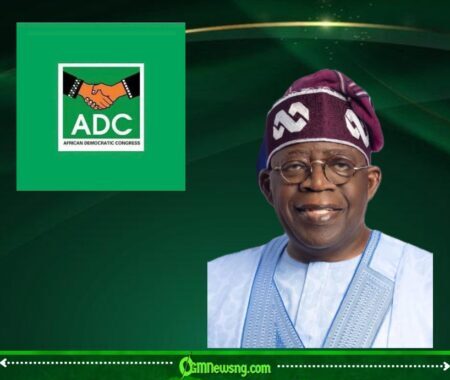



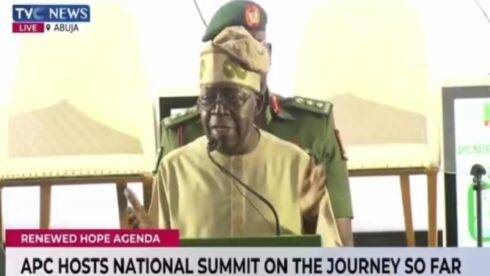
President Bola Ahmed Tinubu didn’t mince words when addressing the continent’s chronic setbacks: “We have the opportunity to make this continent a great one, not just Nigeria. Truly, we are the giant, but the elephantiasis that is holding us back is indiscipline, corruption, and abuse of power.” This rare metaphor—”elephantiasis”—paints a grotesque image of the bloated mismanagement that has crippled potential across Africa. It’s a brutal diagnosis, but one that shines a spotlight on the systemic erosion that no leader has previously described with such visceral clarity.
By targeting the trinity of African governance rot—indiscipline, corruption, and power abuse—Tinubu isn’t just echoing tired political slogans. He’s throwing down the gauntlet to the elite class and challenging the culture of impunity that continues to widen the chasm between the governed and their governors. His tone signals not just discontent, but a call for surgical intervention in Africa’s political anatomy.
Fuel Scarcity and Political Theater: “They Thought We’d Reverse the Decision”
“They created artificial scarcity, they thought we must reverse the decision,” Tinubu fired, indirectly accusing saboteurs—possibly within the petroleum distribution chain—of engineering hardship to destabilize his administration. In a nation where fuel is both a lifeline and a landmine, the President’s statement reveals an ongoing tug-of-war between entrenched economic interests and the government’s reform agenda.
This declaration reveals more than administrative frustration—it exposes a deliberate plot to undermine reforms with calculated pain. Fuel scarcity in Nigeria has always danced to a rhythm of political manipulation. Tinubu’s administration appears set on maintaining its controversial subsidy removal policy, defying both public discomfort and elite resistance. This is political brinksmanship at its rawest: reform or rupture.
APC Under Siege? Tinubu Defends Party Amid Public Distrust
“…They think this political party (APC) is a failure, no, I say.” In an era when party loyalty has waned and performance is under a magnifying glass, Tinubu’s fervent defense of the All Progressives Congress feels both defiant and defensive. He insists the party remains the vehicle of progress—even as inflation, insecurity, and unemployment leave millions skeptical.
His words suggest an embattled leader drawing a line in the sand, rallying loyalists against a tide of disillusionment. But beyond rhetoric lies the question: can APC still deliver the promise of change it once boldly championed? With internal factions, citizen protests, and policy fatigue on the rise, Tinubu’s reassurance reads more like a battle cry than a calm assertion.
EFCC and the Phantom Properties: “750 Houses From One Person”
“You could see the EFCC recovering over 750 houses from one person, locally here oo.” With this stunning disclosure, President Tinubu pulled the curtain back on the scale of personal corruption that has robbed Nigeria blind. It’s not just staggering—it’s scandalous. The Economic and Financial Crimes Commission (EFCC) may have hit a jackpot, but what does it say about previous oversight?
The figure—750 properties tied to a single individual—shakes the very foundation of trust in public service and financial institutions. Tinubu’s tone was both mocking and mournful, underscoring how deeply embedded fraud has become. The challenge now isn’t just prosecution, but prevention: how many more property empires are yet to be uncovered?
A One-Party Nigeria? “Don’t Blame Those Bailing Out of a Sinking Ship”
“I just need to tell those who say a one-party system is no good…” Tinubu’s analogy of opposition defections as survivors escaping a ‘sinking ship’ isn’t subtle—it’s a strategic endorsement of political monopoly. With the collapse of viable opposition parties, the ruling APC may be inching Nigeria towards de facto one-party rule.
The implication is profound: is the president embracing a political climate devoid of competition? His welcoming tone—“Welcome to progress; sweep them clean”—could be interpreted as democratic decline masked as consolidation. While one-party states have historical precedents in Africa, the absence of checks and balances raises red flags about Nigeria’s political future.
Tinubu’s Political Philosophy: Tough Love or Authoritarian Drift?
Taken together, Tinubu’s statements craft a narrative of unapologetic realism—he’s not here to pacify critics or pander to political correctness. He speaks in absolutes: discipline versus chaos, reform versus sabotage, APC versus all others. This no-nonsense leadership style appeals to some Nigerians weary of indecision, but alarms those who see autocracy rising under reformist banners.
Tinubu is positioning himself as a wartime president in a battle against institutional decay. But his methods, tone, and centralization of loyalty may be blurring the line between leadership and dominance. As his administration marches forward, Nigeria must ask: is this the beginning of accountability and order—or the end of pluralistic politics?
Table of Contents
Discover more from OGM News NG
Subscribe to get the latest posts sent to your email.