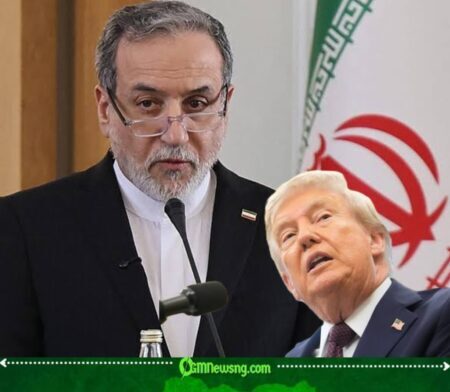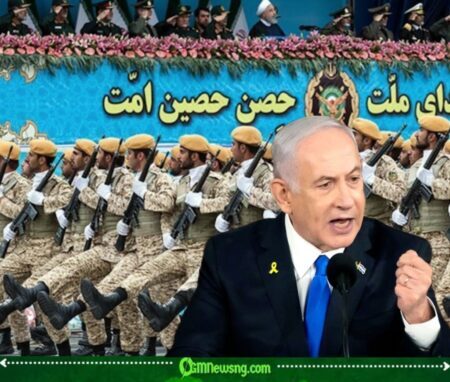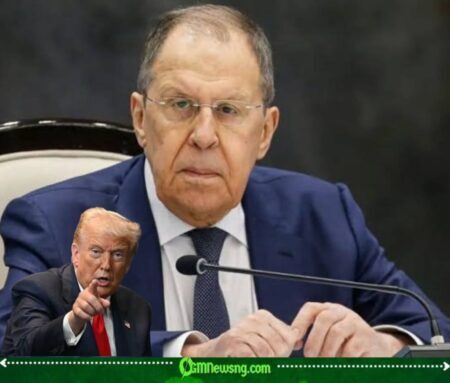








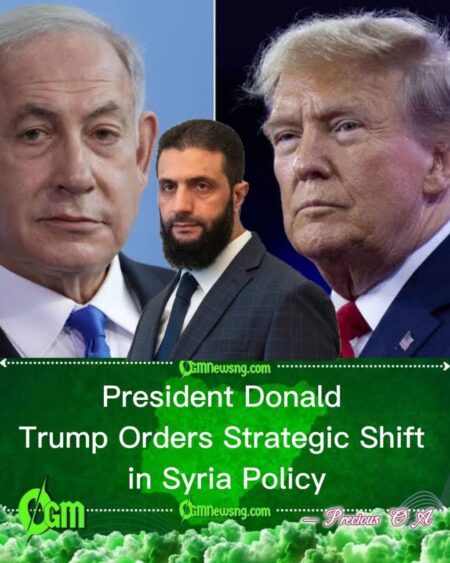
President Donald Trump issued a pointed warning to Israel regarding its conduct in Syria, emphasizing that any form of interference could disrupt the delicate strategic balance his administration has worked to uphold across the region. He framed the message as both a caution and a reaffirmation of U.S. authority in ongoing Syrian stabilization efforts. His statement underscored a desire to prevent unilateral actions that could escalate regional volatility.
Donald Trump reiterated that Israel must exercise restraint and avoid actions that could undermine the operational gains achieved in Syria, presenting this stance as an essential component of long-term regional security planning. He conveyed that the United States expected allied nations to respect boundaries that preserved ongoing diplomatic arrangements and military achievements. His remarks were relayed through both internal memos and public comments designed to send a broad diplomatic message.
Donald Trump further reflected on the progress made in Syria, characterizing it as the product of consistent work, coordinated regional engagement, and carefully calibrated strategy. He insisted that any interference from external players—even partners—could counteract months of stabilization efforts. His tone signaled a firm U.S. commitment to maintaining oversight over developments in the Syrian theater.
Syria Stabilization Efforts
Donald Trump expressed that the United States remained highly satisfied with the developments unfolding in Syria, emphasizing that observed improvements were the direct outcome of sustained determination and U.S.-guided initiatives. He linked these achievements to long-term planning that involved layered military, diplomatic, and humanitarian measures designed to prevent a resurgence of instability. His remarks suggested a continued willingness to invest in methods he considered effective.
Donald Trump highlighted that progress in Syria reflected a successful blend of multilateral cooperation and decisive unilateral action when necessary, allowing the United States to maintain a commanding role in shaping political outcomes. He emphasized that the region required continued discipline to avoid backsliding into conflict. His comments reinforced the need for external actors to defer to U.S. strategic leadership.
The administration’s advisors noted that the current stability observed in several key Syrian provinces was fragile and dependent on strict adherence to agreed-upon operational boundaries. They warned that even limited disruptions—through unauthorized airstrikes, intelligence maneuvers, or military intrusions—could spark chain reactions difficult to contain. Their analysis supported Trump’s warning to Israel as a preventive measure rather than a rebuke.
Diplomatic Communications and Regional Messaging
Donald Trump insisted that communication between Washington and Jerusalem must remain transparent, coordinated, and grounded in mutual respect for established operational limits. He conveyed that strategic surprises could not be tolerated in an environment where U.S. forces and allied partners were operating in close proximity. His stance underscored the importance of clarity in high-stakes geopolitical settings.
Regional officials described how messaging from the United States was intentionally structured to convey firmness without fracturing diplomatic ties, pointing out that such warnings are common mechanisms used to maintain equilibrium. They explained that the administration’s tone sought to avoid escalation while enforcing boundaries essential to ongoing stabilization missions. Their assessment framed the communication as part of a broader negotiation framework.
Donald Trump reportedly emphasized that ongoing deconfliction protocols were designed to prevent accidental confrontations between U.S., Syrian, Russian, and Israeli forces operating in overlapping spaces. His insistence on adherence to these protocols reflected a broader concern that uncoordinated military actions could inadvertently trigger multi-directional conflict. His remarks were directed at preserving the strategic architecture his administration had built.
Military Coordination and Field Operations
Operational analysts monitoring Syrian developments observed heightened activity among U.S.-aligned units, including expanded reconnaissance sweeps designed to ensure that no unauthorized operations were influencing the region’s tactical balance. These specialists stressed that every movement in the Syrian theater had cascading implications across multiple borders. Their insights aligned with Trump’s warning about interference.
Donald Trump maintained that the U.S. military presence in Syria continued to function as a stabilizing force, countering extremist remnants and preventing geopolitical adversaries from expanding their influence. He framed this role as indispensable and non-negotiable, emphasizing that disruption of U.S. initiatives would not be tolerated. His commentary reflected a desire to preserve both tactical momentum and strategic authority.
Field commanders reported that cooperation among U.S. units and vetted local forces remained steady, with technical support, surveillance systems, and logistical networks functioning at high capacity. They described the current operations as part of a multi-tiered approach designed to maintain visibility across complex terrain, ensuring that foreign actors could not exploit gaps in situational awareness. Their briefings reinforced the critical nature of maintaining operational continuity.
Strategic Balance and Regional Power Dynamics
Donald Trump reaffirmed that maintaining a delicate balance among competing regional powers—Russia, Iran, Turkey, Syria, and Israel—was central to preventing renewed conflict. He explained that even one uncoordinated intervention could upset months of calibrated diplomacy. His administration has repeatedly framed Syria as a geopolitical chessboard requiring precision at every move.
Analysts explained that Israel’s deep concerns about Iranian influence in Syria often drive its military posture, but the United States’ latest warning reflected Washington’s intention to keep all actors aligned with its overarching mission. They noted that such U.S. messaging often serves as a recalibration tool, reminding partners of agreed-upon strategic boundaries. Their interpretation portrayed the warning as a predictable response to shifting regional signals.
Donald Trump stressed that the United States must retain primary oversight over Syrian developments to ensure that adversarial powers could not exploit tactical miscalculations. He emphasized that both allies and competitors understood the consequences of disregarding established coordination efforts. His comments signaled a commitment to preserving American primacy in the region.
Future Outlook and Policy Implications
Senior policymakers indicated that ongoing communication between the United States and Israel would continue, aiming to align both parties’ interests without sacrificing U.S. strategic objectives in Syria. They noted that the administration’s focus remained on preventing destabilization while advancing security arrangements that insulated the region from renewed conflict. Their perspective highlighted the need for consistent diplomatic engagement.
Donald Trump declared that future U.S. efforts would continue to build upon the “hard work and determination” already invested in Syria, stressing that measurable results validated his administration’s approach. He saw the current moment as an opportunity to advance long-term regional restructuring. His statement echoed earlier comments describing Syria as a site of significant U.S. achievement.
Donald Trump concluded that the United States must continue reinforcing its leadership role in regional dynamics, ensuring that progress in Syria served as a model for future stabilization initiatives. His remarks signaled a forthcoming period of intensified oversight and continued diplomatic firmness. His tone reflected confidence that current policy was succeeding and must be protected from external disruptions.
Table of Contents
Discover more from OGM News NG
Subscribe to get the latest posts sent to your email.