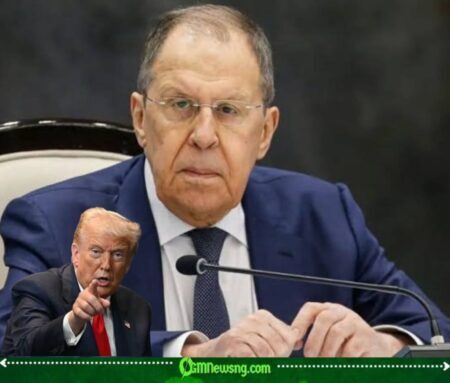







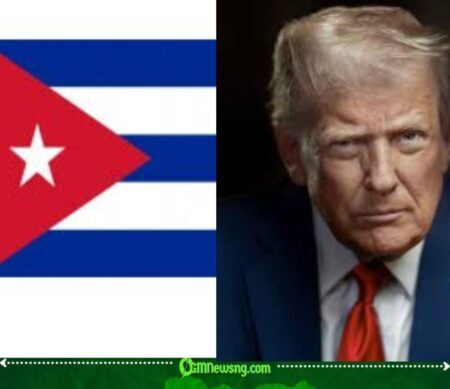
President Donald Trump said there could be what he described as a “friendly takeover” of Cuba, a remark that immediately drew widespread attention from lawmakers, foreign policy analysts, and international observers. The comment, delivered during a public appearance, sparked questions about what such a scenario might entail and whether it reflects a formal policy idea or rhetorical flourish.
President Donald Trump framed the concept as a hypothetical path toward closer ties, suggesting that a mutually beneficial arrangement could transform relations between the two countries. He did not provide specific policy details, instead emphasizing that improved economic and political cooperation would be the central goal.
President Donald Trump’s statement comes amid ongoing tensions and decades of complex diplomatic history between Washington and Havana. The remark has reignited debate about U.S. strategy in the Caribbean and the broader Western Hemisphere.
Historical Context of U.S.–Cuba Relations
President Donald Trump’s comment evokes a long and complicated relationship between the United States and Cuba, marked by trade embargoes, diplomatic standoffs, and periodic attempts at normalization. The two nations have navigated cycles of confrontation and cautious engagement over the past half-century.
Past administrations have pursued varying approaches, ranging from strict sanctions to limited diplomatic outreach. Observers note that even rhetorical suggestions of structural political change in Cuba can carry significant diplomatic weight.
President Donald Trump did not clarify whether his “friendly takeover” remark referred to economic integration, political partnership, or another form of cooperation, leaving analysts to interpret the scope of his statement.
President Donald Trump and Policy Implications
President Donald Trump’s remarks prompted immediate scrutiny from members of Congress, some of whom questioned the feasibility and legality of any action resembling a takeover. Constitutional and international law considerations would play a central role in shaping any such initiative.
Foreign policy experts note that sovereignty principles are foundational to international relations, and any perceived encroachment could trigger diplomatic consequences. Even symbolic language can influence regional alliances and perceptions of U.S. intentions.
President Donald Trump emphasized that his comment was framed in positive terms, repeatedly using the word “friendly” to underscore what he described as a non-hostile approach.
International Reaction and Regional Concerns
President Donald Trump’s statement drew reactions from Latin American leaders and regional analysts who stressed the importance of respecting national sovereignty. Some commentators warned that the phrase could be interpreted as interventionist, regardless of intent.
Others suggested that the comment might have been aimed at highlighting potential economic collaboration rather than territorial or governmental change. Clarity from U.S. officials could shape how the remark is ultimately understood abroad.
President Donald Trump has previously expressed strong views on foreign policy matters in the Western Hemisphere, often emphasizing American influence and strategic interests in the region.
Domestic Political Debate
President Donald Trump’s comment also sparked debate domestically, with political opponents criticizing the phrasing as provocative. Supporters argued that the remark could reflect a bold negotiating style rather than a literal proposal.
Lawmakers from both parties have called for clarification, emphasizing that foreign policy statements carry significant consequences. Public reaction has varied, with some viewing the comment as symbolic and others seeing it as a serious geopolitical signal.
President Donald Trump has not yet issued a detailed follow-up explanation, leaving observers to assess whether the remark will translate into concrete policy discussions.
What Comes Next
President Donald Trump’s “friendly takeover” comment may prompt further briefings from administration officials to clarify intent and scope. Diplomatic channels between Washington and Havana could also be affected by how the statement is interpreted.
Policy analysts suggest that any substantial shift in U.S.–Cuba relations would require legislative involvement, executive coordination, and careful negotiation with international stakeholders.
President Donald Trump’s remarks have ensured renewed attention on U.S.–Cuba relations, highlighting how a single phrase can reignite long-standing debates about sovereignty, diplomacy, and the future of regional cooperation.
Table of Contents
Discover more from OGM News NG
Subscribe to get the latest posts sent to your email.