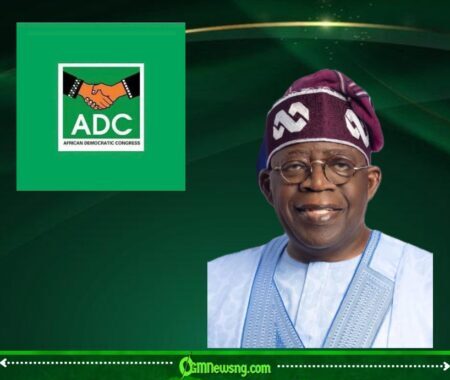





President Bola Tinubu is scheduled to visit the Dangote Petroleum Refinery on Thursday, June 6, 2025, marking his first on-site inspection of the multibillion-dollar facility since assuming the presidency in May 2023. This move, arriving amidst increasing economic turmoil, is seen as a strategic attempt to reaffirm his government’s commitment to energy reform and industrial self-reliance.
Bola Tinubu is positioning the visit as a show of national leadership and confidence in local production. However, critics argue it is a long-overdue political stunt aimed at distracting Nigerians from soaring petrol prices, food inflation, and the economic hardship that followed his controversial decision to remove fuel subsidies just days after taking office.
Bola Tinubu Confronts Underperformance at a Multibillion-Dollar Facility
Tinubu is expected to praise the Dangote Refinery during his June 6 visit, yet reports indicate the facility remains far from full-scale production despite its commissioning on May 22, 2023. The refinery, touted as Africa’s largest with a capacity of 650,000 barrels per day, has failed to refine products at levels that significantly affect Nigeria’s fuel imports.
Bola Tinubu faces mounting pressure to explain why a facility billed as a national breakthrough is still not delivering meaningful relief to consumers. Nigerians are demanding clarity on the disconnect between the refinery’s immense hype and its limited output, questioning whether the investment has so far served political optics more than actual economic transformation.
Tinubu’s Fuel Subsidy Gamble Haunts His June 6 Agenda
Tinubu made global headlines on May 29, 2023, when he abruptly ended Nigeria’s decades-long fuel subsidy program, promising that local production would compensate for the pain. As he heads to the refinery on June 6, many Nigerians are asking why, over a year later, pump prices have surged past ₦730 per litre, with no buffer in sight.
Tinubu now faces a critical dilemma: how to justify a subsidy removal policy without a viable domestic production system to back it up. While he may highlight the Dangote Refinery as a solution, analysts argue that his administration acted prematurely—cutting subsidies before ensuring that facilities like Dangote’s could meet national demand.
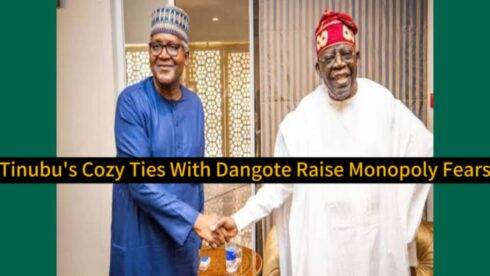
Bola Tinubu’s Cozy Ties with Dangote Raise Monopoly Fears
Bola Tinubu will be stepping into controversial territory when he visits the refinery owned by Africa’s richest man, Aliko Dangote. Many Nigerians fear that his visit signals the deepening entanglement between political power and corporate monopolies—especially considering the NNPC’s 20% equity stake in the refinery secured under previous administrations.
Tinubu is now facing tough questions about transparency, pricing control, and competition within Nigeria’s oil sector. Critics suggest the June 6 visit legitimizes the emergence of a private oil dynasty with unchecked influence, warning that state-backed monopolization may only worsen public access to affordable petroleum products.
Tinubu’s Credibility Hangs on Deliverables from the Refinery Visit
Tinubu must use his June 6 refinery visit to do more than pose for cameras. With inflation nearing 34%, the naira weakened, and foreign investors increasingly skeptical, Nigerians are expecting a clear roadmap on refinery operations, job creation, and fuel pricing that moves beyond vague assurances.
Tinubu risks further erosion of his political capital if this visit results in no measurable outcomes. Citizens and stakeholders alike are tired of ceremonial optics—they want timelines, production metrics, and evidence that the refinery will begin full-scale delivery of refined products to domestic markets within months, not years.
Tinubu’s Regional Footprint Under Fire as Lagos Takes the Spotlight
Tinubu’s visit to the refinery in Lekki, Lagos State—his political stronghold—has sparked accusations of ethnic favoritism and lopsided federal development. While Lagos remains Nigeria’s commercial capital, critics from other geopolitical zones say the President’s first major infrastructure visit should have acknowledged struggling refineries in the North and South-South.
Tinubu now faces the delicate task of balancing regional equity with economic pragmatism. Though some defenders argue that Lagos is a strategic starting point for reform, the political optics of spotlighting a private refinery in his home state could deepen resentment in regions that feel sidelined in the national development conversation.
Table of Contents
Discover more from OGM News NG
Subscribe to get the latest posts sent to your email.