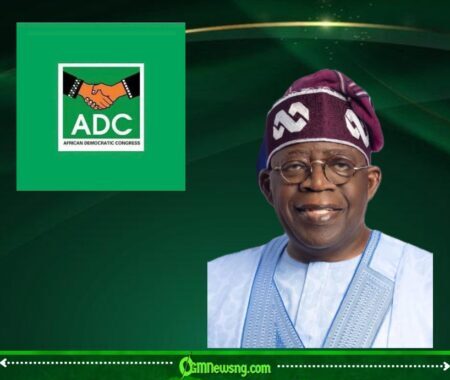




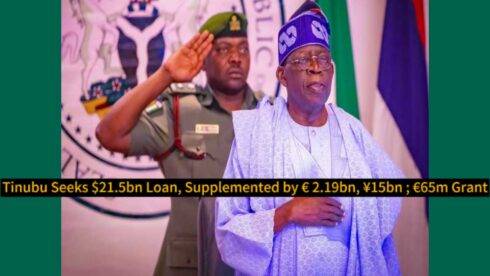
Bola Tinubu begins the borrowing drive with a pitch to the National Assembly for an audacious $21.54 billion loan, supplemented by €2.19 billion, ¥15 billion, and a €65 million grant. The president claims these funds are indispensable to jumpstart development in sectors like education, agriculture, and infrastructure. However, this move raises immediate concerns over Nigeria’s ballooning external debt, which already crossed $41 billion in 2024 according to DMO reports. Critics argue that continued reliance on borrowing without stringent fiscal reforms may lead to a debt trap.
Bola Tinubu argues that the economic gains of these loans will outweigh the costs in the long run. He envisions a Nigeria where public services are modernized, social safety nets are expanded, and infrastructure deficits are finally closed. But financial experts are sounding alarms about potential currency volatility, repayment burdens, and diminished fiscal autonomy. In an era marked by global economic uncertainty, many Nigerians question if this is the right time for such heavy financial commitments.
Bola Tinubu Defends the Loans as Lifeline for Critical Infrastructure
Bola Tinubu begins by justifying the loan request as an urgent intervention to fix Nigeria’s crumbling infrastructure. Roads, railways, power grids, and broadband connectivity are all slated for improvement through the proposed funds. The president insists that without bold external financing, Nigeria’s development will remain in a chokehold, with projects either stalled or permanently shelved due to lack of capital.
Bola Tinubu contends that previous administrations failed to invest strategically in infrastructure, leading to the economic bottlenecks Nigeria faces today. His administration, he says, is breaking the cycle of stagnation through proactive and aggressive funding mechanisms. However, opposition lawmakers argue that without transparency and strict oversight, the funds could be lost to corruption, mismanagement, or white elephant projects that yield no real value.
Bola Tinubu Eyes Sectoral Revamp: Health, Education, and Agriculture in Focus
Tinubu begins by assuring the National Assembly that the loans will be tailored toward high-impact sectors like health care, education, and agriculture. He promises that rural hospitals will receive upgrades, basic education will see increased enrollment through improved infrastructure, and farmers will gain better access to mechanization and market facilities. These are not just investments, he claims—they are the cornerstones of national renewal.
Bola Tinubu emphasizes that a failure to invest now would mean compounded crises later. He claims that the loans are not merely economic tools but moral obligations to uplift the most vulnerable Nigerians. However, civil society groups warn that the government’s track record in social spending is patchy at best. Without robust tracking systems and community-level accountability, these promises may remain just that—promises.
Bola Tinubu Seeks $2 Billion Bond Programme to Diversify Funding Sources
Tinubu begins by introducing a $2 billion foreign currency bond initiative as a supplementary strategy to the direct borrowing plan. The bond, he explains, will help diversify Nigeria’s external funding sources and reduce dependency on traditional bilateral lenders. By leveraging international capital markets, the government hopes to secure lower interest rates and longer repayment terms.
Tinubu claims this financial maneuvering demonstrates a “mature and evolving fiscal strategy.” Yet, economists are split. While some commend the move as forward-thinking, others view it as financial escapism. Nigeria’s bond credibility has been downgraded in the past due to poor revenue generation and weak credit ratings. If market confidence isn’t restored through fiscal discipline, the bond programme could backfire.
Tinubu Faces Political Backlash and Skepticism from Lawmakers
Tinubu begins to experience pushback from lawmakers who question the scale and timing of the foreign loans. Some senators and representatives, particularly from opposition parties, criticize the executive for bypassing earlier debt sustainability frameworks. They claim the administration is over-centralizing fiscal decisions and burdening future generations with unpayable debt.
Tinubu responds to critics by emphasizing that the loans will be project-specific and disbursed only under strict scrutiny. He also pledges periodic reporting to the legislature. Nonetheless, some legislators remain unconvinced, pointing to past instances where borrowing was approved without measurable results. The political climate is increasingly charged, and the debate over the loans could become a defining moment of Tinubu’s presidency.
Tinubu’s Loan Request Sparks Public Outcry and Economic Anxiety
Tinubu begins to face an eruption of public discontent as news of the borrowing plan spreads. Citizens and economic watchdogs are voicing concerns over rising inflation, a depreciating naira, and the ongoing cost-of-living crisis. With no significant increase in local production or revenue, many fear that more loans could worsen economic inequality and impoverish future generations.
Tinubu argues that short-term sacrifices are essential for long-term gains. He assures Nigerians that the funds will be used judiciously and transparently. But social commentators and trade unions are demanding a referendum on debt policies. They argue that any borrowing spree should be preceded by a national dialogue, not just executive-legislative agreements. With public trust at a low ebb, Tinubu’s administration must do more than justify the numbers—it must win back the hearts and minds of the people.
Table of Contents
Discover more from OGM News NG
Subscribe to get the latest posts sent to your email.