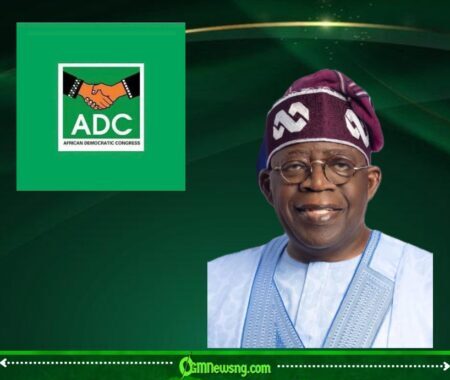
The National Publicity Secretary of the Labour Party (LP), Abayomi Arabambi, has declared that the party will not hand its presidential ticket to Peter Obi in the 2027 general elections. Speaking during an interview on Channels Television’s Lunchtime Politics on Monday, Arabambi said the party was prepared to move forward without Obi, who was its presidential candidate in 2023.
Arabambi stressed that the LP’s success and survival were not tied to Peter Obi’s political ambitions. “We are going to do our 2027 without Peter Obi; he will not have our ticket,” he firmly stated, dismissing suggestions that Obi remains indispensable within the party.
According to him, the Labour Party would reorganize and reposition itself for the future, even if that meant fielding a completely new candidate. He maintained that the wave of support enjoyed by the LP in 2023 was not solely the product of Obi’s candidacy.
Obi’s Alleged Divided Loyalty and Coalition Moves
Arabambi accused Peter Obi of playing a double political game by associating with multiple political platforms while still retaining membership in the Labour Party. He alleged that Obi has aligned himself with former Vice President Atiku Abubakar and other coalition leaders, even while posing as a loyal LP figure.
“Peter Obi has one leg in Labour Party, one leg in PDP, and one leg in ADC,” Arabambi claimed. He challenged the former Anambra State governor to formally declare his exit from the LP if he was truly committed to pursuing coalition politics outside the party.
The spokesperson further suggested that Obi’s next political steps were being influenced by his association with opposition coalitions, signaling that his long-term stay in the LP may no longer be tenable. He advised Obi to “pronounce his departure” if he was confident of replicating his 2023 momentum without the LP structure.
Attacks on Party Leaders and Activists
Arabambi also turned his criticism toward the LP’s acting National Chairperson, Nenadi Usman, and popular activist Aisha Yesufu, accusing them of aligning with Obi to undermine the party’s internal cohesion. According to him, both figures were working at cross purposes with the party’s collective interest.
He announced that the LP leadership was already considering measures to rid the party of “political extremism” represented by such individuals. “Our plan is to get rid of these elements—people who are just an epitome of political extremism. We don’t want them in Labour Party,” he insisted.
The spokesperson added that any LP member who had chosen to work with the African Democratic Congress (ADC) or other coalitions should be considered as having already left the party. He hinted at imminent disciplinary actions that could reshape the party’s leadership.
EndSARS, 2023 Elections, and the ‘Obi Factor’
Arabambi downplayed the role Peter Obi played in the Labour Party’s strong performance during the 2023 elections, insisting that the momentum was driven by broader discontent among Nigerians, particularly youths energized by the EndSARS protests.
“The momentum in 2023 was not because of Peter Obi, but because of EndSARS. Obi was just a man who came to whip as a result of Nigeria’s tiredness of the scandalous administration of Buhari during the EndSARS,” he argued.
He maintained that Obi merely leveraged the Labour Party as a platform to harness public anger and the hunger for change, insisting that the party’s support base is strong enough to survive without him at its helm. “He only found Labour Party as that vehicle that can provide that change, and he was just opportuned to be the head,” Arabambi said.
What This Means for 2027
Arabambi’s statement underscores the deepening crisis within the Labour Party, which had surged to prominence during the 2023 polls as a third force in Nigeria’s political landscape. The widening rift between Obi and the party leadership could weaken the LP’s ability to replicate its past performance.
Analysts suggest that if Peter Obi eventually leaves the party, he may either strengthen the proposed opposition coalition or test his popularity by aligning with a new political platform. Either move could have significant implications for the 2027 elections, particularly among young voters and disenchanted Nigerians.
For the Labour Party, however, the current declaration signals a possible reset in its leadership direction. Whether this strategy will yield electoral strength or deepen internal divisions remains to be seen as 2027 approaches.
Table of Contents
Discover more from OGM News NG
Subscribe to get the latest posts sent to your email.