






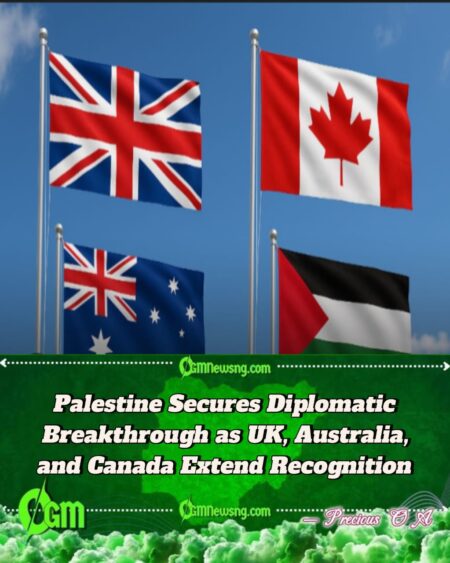
Palestine was formally recognised by the United Kingdom, Australia, and Canada in an unprecedented coordinated announcement that immediately reverberated across the globe. The move, declared on September 21, 2025, reflects a collective shift among key Western allies who argue that recognition is essential to revive the long-stalled two-state solution. Leaders in London, Ottawa, and Canberra presented their actions as a joint effort to restore hope in diplomacy and reaffirm support for peace in the Middle East.
Palestine was referenced in remarks by UK Prime Minister Keir Starmer, who stressed that recognition does not equate to legitimising Hamas. Instead, he described the decision as a moral and political obligation to restore balance in international diplomacy. His government emphasised that recognition is not the end of the process but a necessary beginning to encourage direct negotiations. By placing conditions on the Palestinian Authority, Britain hopes to lay the groundwork for renewed credibility in governance.
Palestine was central to Australia’s statement, with Prime Minister Anthony Albanese underscoring the need for accountability and reform. Foreign Minister Penny Wong outlined expectations that the Palestinian Authority must organise elections, improve transparency, and demonstrate a clear break from extremist factions. Albanese explained that recognition is designed to empower moderates, not radicals, and should be understood as part of a long-term push for coexistence.
Palestine was also highlighted in Canada’s announcement, where Prime Minister Mark Carney declared that recognition was “about empowering those seeking peaceful coexistence.” Carney rejected any interpretation that the move was a concession to violence, insisting it was rooted in humanitarian values. Canadian officials framed recognition as a moral responsibility to act amid the deepening crisis in Gaza and the deteriorating conditions in the West Bank.
Reactions and Regional Fallout
Palestine welcomed the coordinated announcements as a “historic turning point.” President Mahmoud Abbas praised the recognition as an essential step toward establishing two states living side by side in peace and security. He expressed hope that other countries would follow suit and called for international backing to turn recognition into concrete progress on the ground. Hamas also applauded the decision, though leaders in London, Ottawa, and Canberra were quick to emphasise that their move was tied to reform, not armed struggle.
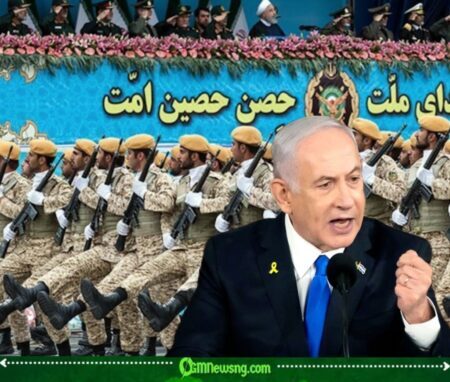
Palestine became the focus of sharp Israeli criticism. Prime Minister Benjamin Netanyahu declared that the recognition was a “reward for terrorism” and insisted that no Palestinian state would ever be allowed west of the Jordan River. Israeli officials warned that the decision could encourage further instability, while some ministers suggested that annexation of parts of the West Bank may be considered as retaliation. The Israeli government also expressed concern that the recognitions would embolden Hamas, even if leaders in the West made clear that the group remained illegitimate.
Palestine recognition sparked debates within the recognising countries themselves. In the UK, critics argued that the move undermined Israel’s security concerns and weakened the leverage of negotiations. In Canada, opposition leaders questioned whether the step would genuinely improve peace prospects or simply inflame tensions. In Australia, some lawmakers expressed fears that the recognition was premature without stronger guarantees of governance reform. Despite the criticism, supporters insisted that recognition was an overdue acknowledgment of political reality and an essential humanitarian stance.
Palestine was equally central to regional reactions. Egypt, Jordan, and Turkey welcomed the announcements, calling them a chance to restore momentum for peace talks. Analysts, however, cautioned that recognition by itself cannot substitute for structural reforms or security guarantees. Without accountability, elections, and disarmament, there is a risk that the recognition may become more symbolic than transformative. Still, many regional observers viewed the coordinated decision as a sign that international patience with the status quo is wearing thin.
Palestine in the International Arena and the Road Ahead
Palestine is now expected to gain enhanced standing within international organisations, including the United Nations. Observers suggest that recognition by three G7 countries could influence others, particularly in Europe, to take similar steps. France and Germany are among the nations facing mounting pressure to clarify their positions, while smaller states have already hinted at joining the wave of recognitions. This momentum, some diplomats say, could mark a turning point in how global institutions treat Palestinian representation.
Palestine may see its claims to statehood gain greater diplomatic weight as more nations extend recognition. Experts note that recognition alters international norms, making it harder to dismiss the two-state framework in future negotiations. The cumulative effect of multiple recognitions could make it increasingly difficult for Israel to maintain its position against Palestinian statehood, particularly in multilateral forums where consensus is key.
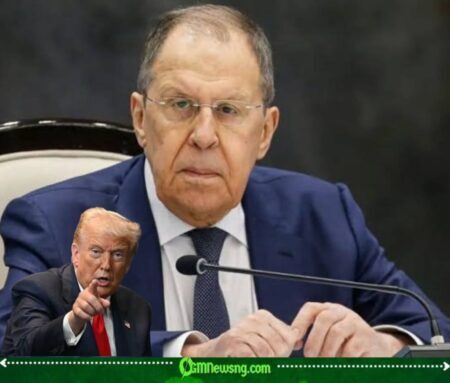
Palestine recognition also places new pressure on Washington. President Trump has yet to announce a formal position on the issue but faces calls from Congress and key allies to respond. The United States has long been a critical player in the Israeli–Palestinian conflict, and analysts argue that American policy will heavily influence whether the recognitions gain momentum or stall. While the Trump administration has not committed to recognition, observers believe the coordinated move by close allies will shape future U.S. decisions.
Palestine may now stand on firmer diplomatic ground than at any point in recent years. Whether this recognition translates into lasting peace will depend on reforms within Palestinian leadership, Israel’s willingness to engage, and the resolve of the international community. The coming months will test whether recognition can be transformed into tangible progress or whether it will remain a symbolic gesture in a conflict that has defied resolution for decades.
Table of Contents
Discover more from OGM News NG
Subscribe to get the latest posts sent to your email.