





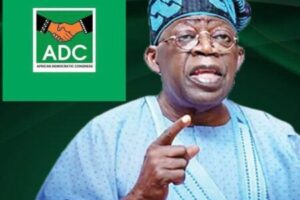


Nigeria’s worsening security situation has once again come under scrutiny following a strong warning by Peter Obi, who has urged the Federal Government to move beyond rhetoric and take decisive action against escalating terror threats. His remarks come in response to the latest findings of the Global Terrorism Index, which ranks Nigeria among the most terror-affected countries in the world.
In a statement shared on his verified X (formerly Twitter) platform, Obi described the report as a “painful indictment of failed leadership,” highlighting the country’s troubling rise in terrorism-related deaths. He warned that while other nations are making measurable progress in curbing terrorism, Nigeria appears to be moving in the opposite direction, raising serious concerns about governance and national priorities.
Mounting Security Concerns Across the Nation
Obi’s comments reflect growing anxiety over the scale and persistence of insecurity across Nigeria. The country continues to grapple with multiple threats, including the long-running insurgency by Boko Haram in the North-East and the increasing activities of the Islamic State West Africa Province.
Beyond insurgency, widespread kidnapping, banditry, and violent attacks in rural communities have compounded the crisis. Many regions remain under constant threat, with residents facing daily uncertainty and limited protection, further straining public confidence in the nation’s security architecture.
The persistence of these threats, Obi noted, underscores the urgent need for a coordinated and effective national response that addresses both immediate dangers and underlying causes.
Criticism of Governance and Leadership
At the core of Obi’s statement is a sharp critique of governance, which he argues has contributed significantly to the deteriorating security landscape. He attributed the rise in terror-related incidents to systemic issues such as weak institutions, corruption, and a lack of adherence to the rule of law.
According to him, misplaced priorities and insufficient investment in security have left critical gaps that violent groups continue to exploit. He stressed that ensuring the safety of citizens is the most fundamental responsibility of any government and should not be compromised.
Obi questioned the rationale behind what he described as a normalisation of violence, asking why a country with Nigeria’s resources continues to struggle with basic security challenges while others make steady progress.
Obi Call for Urgent and Measurable Action
In his statement, Obi called for a shift from what he termed “excuses” to concrete and measurable action. He urged leaders at all levels to implement practical solutions that would yield visible improvements in security outcomes.
He emphasised that rhetoric alone is insufficient in the face of ongoing violence, noting that Nigerians continue to lose lives daily. For Obi, the situation demands not only urgency but also accountability, with clear benchmarks to assess progress.
“This is not the Nigeria we should accept,” he stated, warning against complacency and urging policymakers to adopt strategies that prioritise the protection of lives and property.
The Broader Implications of the Terrorism Index
The latest report by the Global Terrorism Index has renewed global attention on Nigeria’s security challenges. Widely regarded as a key benchmark for assessing the impact of terrorism worldwide, the index provides comparative data that highlights trends across countries.
Nigeria’s position in the rankings has raised concerns among analysts and stakeholders, particularly given the reported increase in terrorism-related fatalities. The findings suggest that without significant policy shifts, the country risks further deterioration in its security outlook.
The report also serves as a reminder of the broader socio-economic consequences of insecurity, including displacement, economic disruption, and declining investor confidence.
Citizens’ Right to Safety and the Path Forward
Obi concluded by reiterating that security is a fundamental right of every Nigerian citizen and must be treated as a top priority. He called for a comprehensive approach that combines military efforts with social, economic, and institutional reforms.
He stressed that restoring public trust requires visible commitment and sustained action from those in authority. For many Nigerians, the expectation remains clear: a government that can effectively safeguard lives and foster stability.
As the debate over national security intensifies, Obi’s remarks add to mounting pressure on the Federal Government to deliver tangible results and reverse the current trajectory.
Table of Contents
Discover more from OGM News NG
Subscribe to get the latest posts sent to your email.