









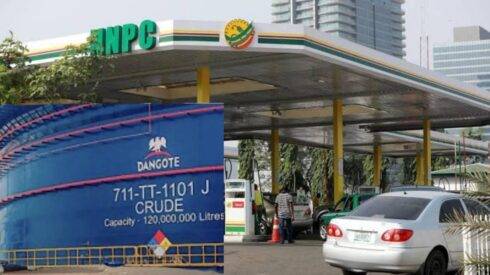
Recent developments in Nigeria’s petroleum sector have brought relief to fuel retailers and consumers as both the Nigerian National Petroleum Company Limited (NNPCL) and Dangote Refinery slashed their petrol prices. This move has been widely welcomed, as it is expected to lower transportation costs, boost disposable income, and stimulate economic activity.
NNPCL has reduced its ex-depot petrol price to N899 per litre in Lagos and N970 per litre in Warri, Oghara, Port Harcourt, and Calabar. This price cut has been hailed as a potential game-changer in the sector, possibly sparking competition among oil marketers, ultimately benefiting end-users. The Petroleum Products Retail Outlets Owners Association of Nigeria (PETROAN) has commended the initiative, emphasizing its importance in alleviating the financial burden on Nigerians amidst rising inflation.
Dangote Refinery’s Competitive Pricing Strategy
In a similar move, Dangote Refinery has reduced its ex-depot petrol price from N970 to N899.50 per litre. To ensure that consumers directly benefit from this reduction, the refinery has partnered with MRS Oil Nigeria to sell petrol at N935 per litre across its retail outlets nationwide. This initiative aims to enhance affordability and accessibility for Nigerian consumers.
The President of Dangote Industries Limited, Aliko Dangote, attributed the price cut to the recent naira-for-crude deal, which has helped stabilize costs. He praised President Bola Tinubu for implementing economic policies that positively impact the downstream petroleum sector, ensuring that fuel prices become more competitive.
PETROAN Commends NNPCL and Dangote Refinery
The Petroleum Retailers Outlet Owners Association of Nigeria (PETROAN) has applauded both NNPCL and Dangote Refinery for their proactive approach in reducing petrol prices. In a statement, Dr. Billy Gillis Harry, PETROAN’s National President, described the development as a significant relief to Nigerians grappling with the effects of rising inflation and high transportation costs.
He stated:
“The reduction in PMS price is expected to positively impact Nigerians by lowering transportation costs. With reduced fuel prices, the cost of commuting and transporting goods will decrease, easing financial pressures on individuals and businesses alike.”
PETROAN also highlighted the correlation between fuel prices and food costs, noting that lower transportation expenses will lead to a decrease in food prices, making essential commodities more affordable for the average Nigerian.
Dangote Refinery’s N65 Refund Initiative
In an additional move to cushion the effect of fluctuating fuel prices, Dangote Refinery has announced a N65 per litre refund for retail outlet owners who purchased petrol at the previous higher rate. This refund applies to over 200,000 metric tonnes of PMS purchased by marketers before the price adjustment.
The refinery disclosed that it has absorbed a N16 billion loss to implement this refund scheme, demonstrating its commitment to fair pricing and consumer welfare. Retailers who had stocked petrol at higher costs before the price cut will now receive compensation, preventing financial losses that could have been passed on to consumers.
PETROAN praised this initiative, with Dr. Gillis Harry stating:
“The refund initiative will positively impact retail outlet owners and reduce their financial burdens. We commend Dangote Refinery for this initiative, which reflects its dedication to fair business practices and consumer-friendly policies.”
Positive Outlook for the Petroleum Sector
These price adjustments by NNPCL and Dangote Refinery signify a major shift in Nigeria’s downstream petroleum market, paving the way for a more competitive pricing structure. Industry experts believe that these reductions could force other oil marketers to follow suit, further driving down fuel costs across the country.
PETROAN has urged Nigerians to remain optimistic, noting that the government’s economic reforms are beginning to yield tangible benefits. As the competition intensifies, there is hope that petroleum prices will stabilize at lower rates, providing long-term relief for consumers and businesses alike.
Table of Contents
Discover more from OGM News NG
Subscribe to get the latest posts sent to your email.