









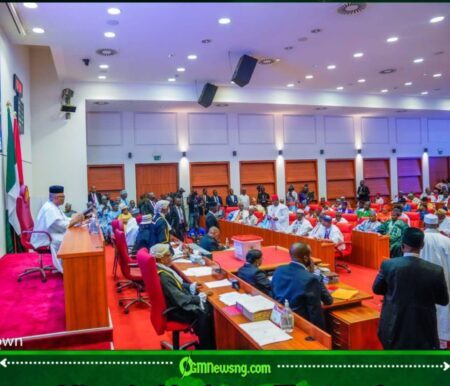
Nigerian lawmakers have approved the repeal and re-enactment of the 2022 Electoral Act following detailed deliberations and a formal division on Clause 60, which addresses the electronic transmission of election results. The bill was passed after 55 senators voted to retain provisions permitting manual transmission in the event of network failure, despite opposition from some members.
The decision marks a significant legislative development in the country’s electoral framework, with implications for how future elections will be conducted and results transmitted across the federation.
Legislative Deliberations of the Nigerian Lawmakers and the Clause 60 Debate
The proposed legislation underwent extensive debate in the Senate, with Clause 60 emerging as the most contentious provision. The clause addresses the procedure for transmitting election results, particularly the role of electronic transmission and the conditions under which manual transmission may be used.
While several Nigerian Lawmakers argued that exclusive electronic transmission would enhance transparency and public confidence in the electoral process, others maintained that technological limitations, especially in rural and remote areas, necessitate a fallback mechanism. Concerns were raised about network instability and infrastructural challenges that could disrupt real-time electronic uploads during elections.
The Nigerian Lawmakers matter was eventually decided through a division, a formal voting process used when voice votes are inconclusive. Fifty-five senators voted in favour of retaining provisions that allow manual transmission where network failure occurs, thereby preserving a dual transmission framework within the Act.
Implications for Electoral Administration
The repeal and re-enactment of the 2022 Electoral Act will require administrative adjustments by the Independent National Electoral Commission (INEC), which is constitutionally responsible for conducting elections in Nigeria. INEC will need to update its operational guidelines to reflect the revised legal provisions, particularly regarding transmission protocols and contingency procedures.
Most of the lawmakers that are supporters of the retained manual transmission option argue that it provides necessary flexibility and safeguards against technical disruptions that could otherwise delay result collation. They contend that in a country with uneven digital infrastructure, a purely electronic system may expose the electoral process to avoidable risks.
However, critics have expressed concern that allowing manual transmission could weaken efforts to deepen electoral transparency. They warn that manual processes have historically been associated with disputes and allegations of irregularities, and they urge strict oversight mechanisms to ensure credibility and public trust.
Broader Political Context through the lawmaker
The repeal and re-enactment form part of ongoing efforts by the National Assembly of Nigerian lawmakers to refine Nigeria’s electoral laws ahead of future general elections. Lawmakers have repeatedly emphasised the need to strengthen the legal framework to address lessons learned from previous polls.
Observers note that electoral reform remains a sensitive and politically charged issue in Nigeria. Public confidence in election outcomes often hinges on perceptions of transparency, fairness, and technological reliability. As such, decisions affecting result transmission are closely scrutinised by political parties, civil society organisations, and the electorate.
With the bill now passed by the Senate, attention will turn to subsequent legislative processes and eventual implementation. Stakeholders are expected to continue engaging on how best to balance technological innovation with practical realities in Nigeria’s electoral environment.
Table of Contents
Discover more from OGM News NG
Subscribe to get the latest posts sent to your email.