






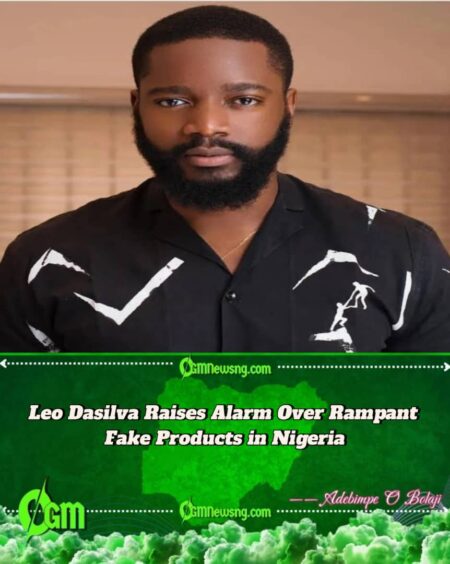
Reality TV star and successful entrepreneur, Leo Dasilva, has raised serious alarm over the growing influx of counterfeit goods in Nigerian markets. He expressed deep concern that the prevalence of fake products is not just robbing innocent consumers of their hard-earned money, but also putting their health and safety at risk. According to him, the circulation of substandard items is gradually weakening the nation’s business environment, discouraging trust in local stores and established brands. His statement highlights the troubling reality that counterfeit goods have become widespread, affecting almost every sector from household items to electronics and personal care products.
Taking to social media to vent his frustration, Dasilva described shopping in Nigeria as a “risk-taking exercise,” noting that even reputable supermarkets and retail outlets are either unknowingly or deliberately selling falsified products. His post quickly went viral, sparking widespread debate among Nigerians about the credibility of the country’s retail system. Many online users echoed his sentiments, sharing their own experiences with fake goods and calling for stricter consumer protection policies. Leo Dasilva’s outcry has not only drawn attention to a long-standing issue but also intensified conversations on the urgent need for government intervention and market regulation to curb the spread of counterfeit products.
Consumers Share Frustrating Experiences
Following Leo Dasilva’s complaint, several Nigerians flooded social media with their personal experiences of buying fake products. From beauty products and household items to electronics and pharmaceuticals, shoppers revealed they had fallen victim to counterfeit goods that either malfunctioned or caused health-related complications.
Some consumers alleged that even premium supermarkets and online marketplaces were not immune from the circulation of these items. They shared stories of buying “branded” gadgets that failed within days or skincare products that triggered severe reactions, emphasizing the nationwide scale of the problem.
Impact of Counterfeit Goods on Health and Economy
Experts warn that the proliferation of fake products has dire health and economic consequences. Substandard food items, drugs, and beauty products can result in long-term medical complications, while faulty electronics and appliances pose safety hazards in homes and offices.
Economically, counterfeit goods discourage investments, tarnish brand reputations, and reduce consumer trust in local businesses. Analysts also point out that Nigeria loses billions of naira annually due to tax evasion by counterfeiters who operate outside regulated frameworks.
Government and Regulatory Agencies Under Fire
Leo Dasilva’s outcry has once again spotlighted the role of regulatory bodies like NAFDAC, SON, and the Consumer Protection Council. Many Nigerians questioned why, despite existing laws, fake products continue to flood the market with little accountability.
Critics argue that poor enforcement, corruption, and porous borders enable the illegal importation of counterfeit goods. They have called on authorities to step up inspections, close down erring businesses, and impose stiffer penalties to deter perpetrators.
Retailers and Marketplaces Defend Themselves
In response to the backlash, some store owners and online vendors defended themselves, claiming they were unaware that certain products in their inventory were fake. They attributed the problem to unscrupulous suppliers and the challenges of verifying authenticity in a market saturated with imitations.
Several e-commerce platforms assured customers of their commitment to stricter quality checks and product recalls. They also encouraged buyers to report suspicious products to facilitate swift action against counterfeiters.
Leo Dasilva Calls for Collective Action
Leo Dasilva concluded his viral rant with a call for collective responsibility, urging consumers, retailers, and the government to unite against the menace of counterfeit goods. He stressed that protecting the market from fakes is a moral and economic duty that requires public vigilance.
He also advised Nigerians to prioritize buying from verified sources, while encouraging brands to invest in anti-counterfeit technology such as QR code authentication and tamper-proof packaging. His advocacy has since sparked renewed debate on the urgent need to clean up Nigeria’s retail sector
Table of Contents
Discover more from OGM News NG
Subscribe to get the latest posts sent to your email.