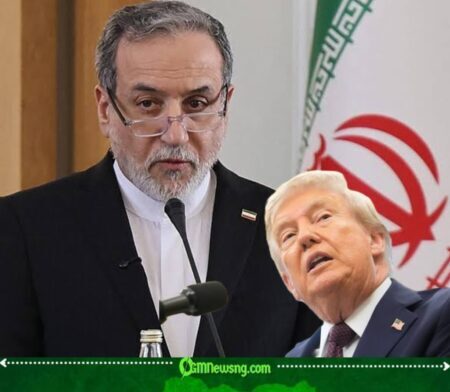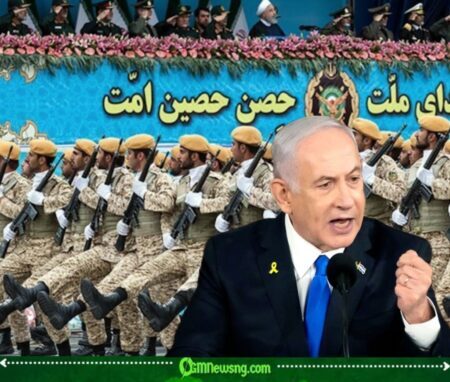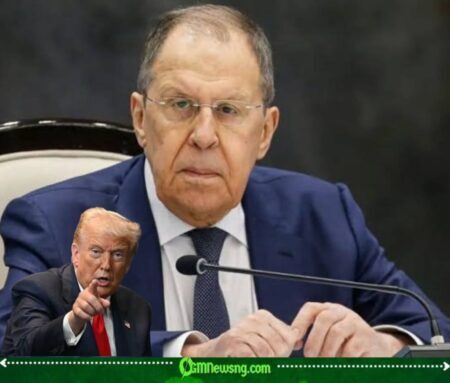








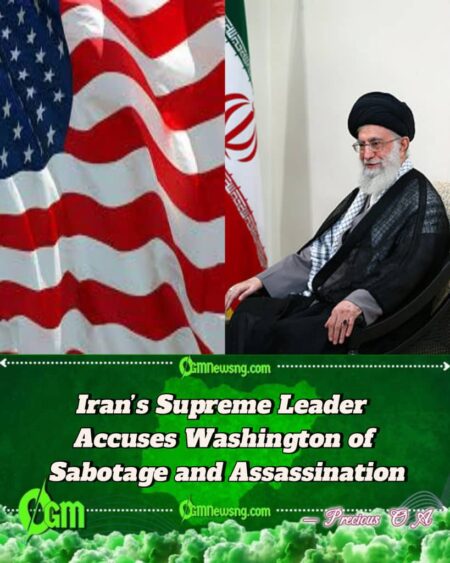
Ayatollah Ali Khamenei, the Supreme Leader of Iran and the country’s highest political and religious authority, delivered a scathing rebuke of the United States, accusing Washington of spreading falsehoods, issuing military threats, carrying out assassinations, and even bombing nuclear facilities. In remarks that underscore deepening hostility, he insisted that Tehran cannot pursue negotiations or agreements with a government he described as fundamentally untrustworthy.
Khamenei’s statement comes at a time of heightened regional instability and growing international unease over Iran’s nuclear program. Addressing clerics and senior officials in Tehran, he argued that the U.S. has repeatedly demonstrated its inability to honor commitments, casting doubt on the value of renewed diplomacy. His remarks were broadcast across state media, emphasizing their weight both for domestic audiences and the broader region.
Khamenei further alleged that Washington conducts a campaign of “lies and intimidation,” pointing to what he described as fabricated evidence and orchestrated attacks on sensitive infrastructure. Such claims have reinforced Iran’s narrative that the U.S. seeks domination rather than dialogue. He accused American officials of using threats of war as leverage while simultaneously calling for negotiations, a posture that he described as inherently contradictory.
Iranian officials continue to maintain that their nuclear program is strictly for peaceful purposes, yet Western governments remain skeptical. By condemning U.S. actions in strong terms, the Supreme Leader signaled that Tehran sees no benefit in negotiations framed by pressure and threats. He made clear that dialogue cannot succeed where trust is absent, a position that aligns with longstanding Iranian policy.
Political analysts say this rhetoric reflects a hardening of positions as the U.S. administration under President Donald Trump pursues a more confrontational approach. Sanctions remain tight, military maneuvers in the Gulf continue, and prospects for dialogue appear increasingly slim. With neither side showing signs of compromise, tensions have reached a level that many observers fear could spill over into direct confrontation.
A History of Distrust and Failed Engagements
Khamenei reminded his audience that distrust of the U.S. has deep historical roots. Since the 1979 Iranian Revolution and the subsequent hostage crisis, the two nations have been locked in cycles of hostility, brief engagement, and renewed confrontation. The memory of those events, he said, still defines Tehran’s view of Washington and justifies skepticism toward American diplomacy.
Khamenei argued that even when Iran agreed to international frameworks, the U.S. shifted its stance or failed to fulfill its obligations. This perception of betrayal, he insisted, proves that trust in Washington is misplaced. He cited past negotiations as examples of Iran making compromises only to face new sanctions or political reversals from the American side.
European powers have sought to mediate between the two adversaries, but Khamenei dismissed these efforts as ineffective. He declared that sovereignty and national security cannot be safeguarded through deals with a party “that assassinates people and bombs nuclear facilities.” His words highlight the sense in Tehran that foreign guarantees are insufficient to protect the country from American hostility.
Khamenei also referenced the assassination of General Qassem Soleimani in 2020 as a turning point. The killing, carried out by U.S. forces, continues to resonate within Iran’s political and military circles, reinforcing the belief that Washington cannot be treated as a reliable counterpart. Soleimani’s death not only inflamed anti-American sentiment but also reinforced the Supreme Leader’s view that the U.S. is prepared to eliminate high-ranking figures to weaken Iran’s influence.
This long-standing suspicion has hardened into doctrine within Tehran’s leadership. For many in power, dialogue with the U.S. is now seen less as an opportunity than as a potential trap, a view underscored by the Supreme Leader’s most recent declaration. As the nuclear issue remains unresolved and sanctions persist, that mistrust has become a defining feature of Iran’s foreign policy.
Regional and Global Implications
Khamenei’s rejection of U.S. reliability carries weight well beyond Iran’s borders. With negotiations stalled, the risk of confrontation in the Gulf has risen sharply. Analysts caution that even minor incidents, such as naval encounters or drone strikes, could escalate quickly in the absence of communication channels. The Gulf remains one of the world’s most strategically sensitive waterways, and any escalation could threaten global energy supplies.
Khamenei’s rhetoric may also strengthen hardline factions at home. These groups have long argued that compromise with the U.S. is futile and that resistance is the only viable path. The latest remarks appear to validate their position, potentially sidelining moderates who favor limited engagement with the international community to ease economic pressure. With domestic politics leaning further toward confrontation, the prospect of internal consensus on diplomacy diminishes.
For Washington, the challenge is balancing deterrence with diplomacy. President Trump has warned that the U.S. is ready to respond to provocation but has also spoken of the possibility of securing a new, stronger agreement. Tehran, however, sees little evidence that such an offer would differ from past disappointments. Without trust, Iranian officials argue, even a new agreement would collapse under the weight of American unpredictability.
Global reactions are expected to be divided. Allies of the U.S. may rally behind Washington’s pressure campaign, while countries like Russia and China could deepen ties with Tehran in defiance of Western sanctions. This divergence threatens to complicate future diplomatic efforts and could reshape alliances in the Middle East. As Iran strengthens its eastern partnerships, the balance of power may shift further away from Western influence.
Khamenei’s message, ultimately, was designed to resonate both at home and abroad: Iran will not be coerced into talks with a party it views as hostile, deceptive, and dangerous. His words underscore the fragility of the current regional order and the risks that lie ahead if mistrust continues to dominate relations. The speech served not only as a warning to Washington but also as a signal to the Iranian people that resistance, not negotiation, remains the guiding principle of their foreign policy.
Table of Contents
Discover more from OGM News NG
Subscribe to get the latest posts sent to your email.