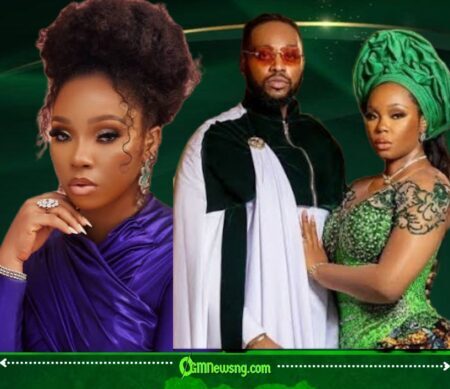










Nollywood star Jemima Osunde has issued a heartfelt plea to digital content creators and fans alike, expressing deep concerns over the increasing violation of celebrities’ personal boundaries in public spaces. The actress, known for her acclaimed roles in Shuga Naija and The Delivery Boy, took to her social media platform to call out the intrusive behavior she experiences when spotted outside her usual professional setting.
In a strongly worded message, Jemima Osunde emphasized the discomfort and violation that comes with having a camera shoved in her face without prior consent. She noted that while public appearances come with a level of visibility, it does not negate the right to personal space and respect. Her candid words have sparked a wider conversation across the Nigerian entertainment industry on the fine line between fandom and invasion of privacy.
The Rise of Content Creators and the Ethics of Public Filming
With the explosion of social media and the democratization of content creation, everyday encounters with celebrities have become prime material for engagement-driven platforms like TikTok, Instagram, and YouTube. In Nigeria’s bustling entertainment ecosystem, content creators often chase viral moments, sometimes at the cost of human dignity and ethical considerations.
Jemima Osunde’s complaint underscores a growing challenge—how to balance digital creativity with ethical storytelling. Experts in digital media ethics warn that while public figures are subject to a degree of exposure, filming someone without their permission—especially in close, uncomfortable proximity—can be considered a form of harassment. The urgent call is for boundaries to be respected, even in the pursuit of viral fame.
Celebrity Culture in Nigeria: A Double-Edged Sword
In recent years, the glamorization of celebrity lifestyles in Nigeria has contributed to an obsessive fan culture, often leading to invasive behavior. Stars like Jemima Osunde, while appreciative of their supporters, have voiced frustrations over being treated like public property the moment they step outside their homes.
This obsession is further fueled by reality TV, gossip blogs, and entertainment news platforms that monetize every personal detail of celebrities. While many actors use social media to engage with fans and promote their work, it becomes problematic when followers forget that celebrities are also humans entitled to peace, privacy, and respect in public places.
Legal Gray Areas: Is Unsolicited Filming a Rights Violation?
In Nigeria, the laws surrounding public photography and unsolicited filming remain largely ambiguous, leaving room for abuse and misunderstanding. Jemima Osunde’s complaint has reignited conversations about the need for stronger regulations protecting personal rights in digital content production.
Legal analysts argue that consent should be central to any form of digital recording, especially when it involves a public figure in a non-professional setting. Without a clear legal framework, celebrities continue to walk a fine line between maintaining public relations and asserting their right to dignity. Some advocate for awareness campaigns and policy reforms that hold content creators accountable for their actions in public spaces.
Jemima Osunde: Industry Reactions, Nollywood Colleagues Rally Behind Osunde
Following Jemima Osunde’s viral statement, several Nollywood actors and actresses have come forward in solidarity, sharing similar experiences of privacy invasion and unsolicited documentation. The collective voices of popular figures such as Beverly Naya, Adesua Etomi, and Kunle Remi have added momentum to the debate, calling for more respect and caution from content creators.
Many insiders say this is not a one-off concern but part of a broader systemic issue within the entertainment industry. As celebrities continue to navigate fame in the digital age, there’s growing consensus that boundaries must be set—and more importantly—respected. For Nollywood stars, the message is clear: appreciation does not equate to entitlement.
A Call for Digital Etiquette: Where Do We Go from Here?
Jemima Osunde’s impassioned plea has sparked broader discussions about digital etiquette, consent, and the social responsibilities of content creators. Experts believe the time is ripe for education on media literacy, teaching both fans and creators the importance of respectful interaction in public spaces.
From workshops to guidelines, the Nigerian content creation industry may need structured reforms to protect both creators and subjects. Social media platforms can also play a role by integrating consent policies and providing educational tools. As content continues to drive online culture, empathy, awareness, and respect must become the cornerstones of interaction—online and off.
Table of Contents
Discover more from OGM News NG
Subscribe to get the latest posts sent to your email.