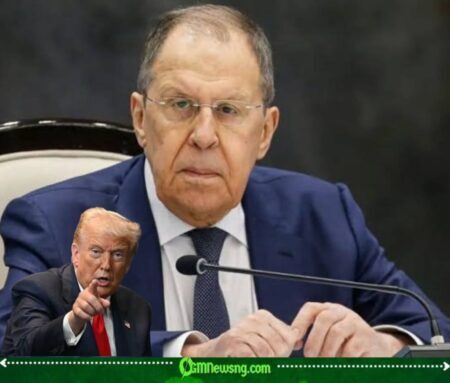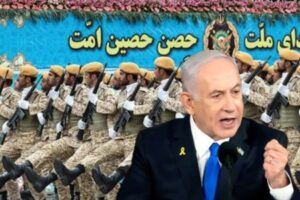







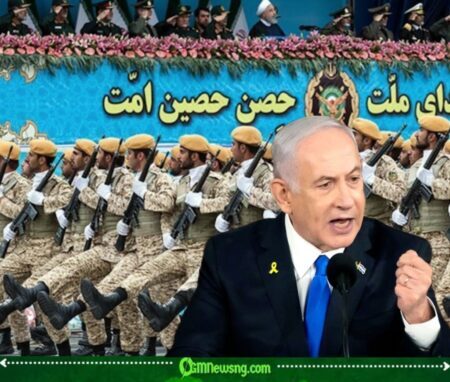
Israel said Iran is weakening and gradually losing control of key strategic positions as tensions across the region intensify. Officials argued that recent developments suggest Tehran’s leadership is facing mounting pressure both internally and externally, creating what Israeli authorities describe as visible cracks in the country’s political and military command structure.
Observers across the Middle East have been watching closely as statements and counter-statements between the two countries continue to escalate. Military analysts say that in conflicts of this scale, public messaging from governments often plays a critical role in shaping both domestic morale and international perception of strength.
Israel maintained that its evaluation is based on intelligence assessments and regional developments that suggest Iran’s influence may not be as strong as it once appeared. According to officials, the combination of political pressure, economic challenges, and strategic setbacks may be contributing to what they describe as a weakening grip on regional dynamics.
Rising Military Pressure
Israel stated that continued military pressure and heightened security operations have contributed to the current situation. Officials argued that strategic efforts aimed at limiting Iran’s operational flexibility have had measurable effects on Tehran’s broader military posture.
Regional experts note that the balance of power between Iran and its rivals has been shaped over decades through military development, alliances, and geopolitical maneuvering. Any perception of weakening authority can therefore influence how other countries in the region respond diplomatically and militarily.
Israel also suggested that the long-term objective of maintaining pressure is to ensure that potential threats are reduced before they can escalate into larger security risks. Leaders say their priority remains protecting national security while monitoring developments carefully.
Diplomatic Reactions Across the Region
Governments throughout the Middle East have responded cautiously to the growing tension between the two countries. Several regional leaders have urged restraint and warned that further escalation could create consequences far beyond the immediate conflict.
Israel acknowledged that diplomatic channels remain active as countries attempt to manage the situation and prevent wider instability. Officials have stated that while security concerns remain paramount, communication between governments is essential to avoid misunderstandings that could trigger broader confrontations.
International analysts point out that conflicts involving major regional powers often carry ripple effects for global markets, alliances, and security planning. The situation has therefore drawn attention from governments and institutions around the world.
Strategic Calculations Involving Israel
Security planners believe the confrontation could reshape long-standing strategic calculations involving Israel and several neighboring states. Changes in the perceived strength or weakness of Iran may influence alliances and policy decisions across the Middle East.
Israel said that maintaining vigilance remains critical as the situation continues to evolve. Officials argue that careful monitoring of Iran’s military capabilities and political developments is necessary to anticipate potential shifts in the regional balance.
Experts emphasize that geopolitical dynamics rarely change overnight. Instead, they evolve gradually as political pressure, military developments, and diplomatic negotiations influence the decisions of governments involved.
Internal Pressures Facing Tehran
Israel argued that Iran may also be experiencing internal challenges that complicate its ability to maintain firm control during a period of heightened tension. Economic difficulties, political debates, and social pressures have all been cited by analysts as factors that could affect the country’s strategic posture.
Domestic conditions within Iran remain a subject of intense discussion among political observers. Some experts believe that internal pressures can influence how governments respond to international crises, particularly when economic conditions or political disagreements are involved.
Israel suggested that such pressures could limit Tehran’s flexibility in managing both domestic governance and regional strategy at the same time. Officials say that the interaction between internal challenges and external conflict is being closely monitored.
Outlook for the Conflict
Israel said the situation remains fluid and unpredictable, with developments capable of shifting rapidly depending on diplomatic and military decisions made by both sides. Officials emphasized that preparedness and strategic awareness remain central to national security planning.
Global attention has increasingly focused on the implications of prolonged tensions between Iran and its regional rivals. Energy markets, international diplomacy, and security alliances could all be affected if the confrontation deepens or spreads beyond its current scope.
Israel emphasized that while current assessments suggest Iran may be struggling to maintain control in certain areas, the broader situation requires continued vigilance. Leaders say the coming months will likely determine whether tensions move toward escalation or eventually give way to renewed diplomatic engagement.
Table of Contents
Discover more from OGM News NG
Subscribe to get the latest posts sent to your email.