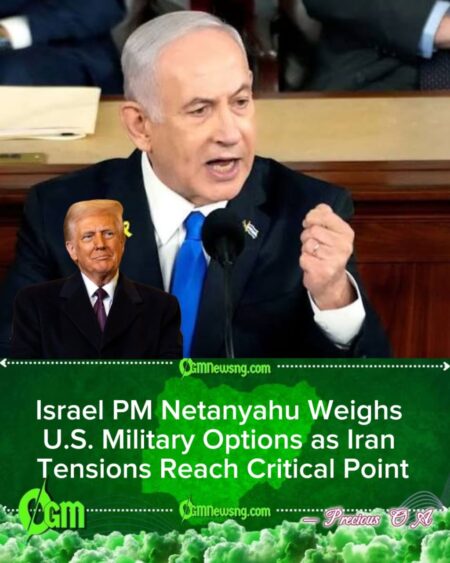
Israeli PM Netanyahu opened a new chapter in Middle East diplomacy this week as he confirmed that he held direct talks with U.S. Secretary of State Marco Rubio concerning Iran’s expanding nuclear posture and the region’s deteriorating security climate. The discussion came amid growing intelligence assessments suggesting Tehran is accelerating uranium enrichment while broadening its influence through regional proxies.
Officials familiar with the exchange described the call as “strategic and candid,” focusing on contingency planning, joint deterrence efforts, and the possible scope of American involvement should diplomatic efforts fail. The conversation reflects mounting concern within Western and Middle Eastern capitals that Iran may be nearing technical thresholds that could rapidly change the regional balance of power.
Analysts say the dialogue marks a notable escalation in tone compared to earlier months, with language shifting from containment toward preparedness. It also signals renewed alignment between Washington and Jerusalem after a period of quiet recalibration of bilateral priorities.
Regional Security Pressures Intensify
Across the Middle East, tensions have been rising steadily as missile launches, maritime incidents, and militia activity stretch security resources thin. Gulf states have increased air-defense readiness, while Israel has expanded surveillance flights and joint exercises with allied partners.
Israeli PM Netanyahu underscored in follow-up remarks that Israel views Iran’s military posture as a “multi-front challenge,” spanning cyber operations, ballistic missile development, and proxy warfare. He reiterated Israel’s longstanding position that it will not tolerate strategic surprise.
Regional diplomats say these developments are also reshaping conversations within the Arab League, where traditionally cautious states are now expressing stronger interest in collective deterrence frameworks and enhanced intelligence sharing.
U.S.–Israel Strategic Coordination
American officials confirmed that Rubio’s call was part of a broader series of consultations with key allies, aimed at synchronizing contingency planning and diplomatic messaging. The White House has maintained that all options remain under review while emphasizing continued support for negotiations.
Israeli PM Netanyahu stressed that Israel values Washington’s security guarantees and intelligence cooperation, describing them as “essential pillars” of regional stability. He also highlighted joint military exercises as proof of operational readiness and mutual trust.
Defense analysts note that coordination between U.S. Central Command and Israeli defense planners has intensified, particularly in maritime security and missile defense architecture.
Israeli PM Netanyahu and the Domestic Political Dimension
Inside Israel, public discourse has become increasingly focused on national preparedness and defense funding. Israeli PM Netanyahu has used recent parliamentary sessions to argue for expanded missile shield investment and accelerated procurement programs.
Opposition leaders, while largely supportive of deterrence measures, have urged transparency in foreign policy decision-making. They argue that Israeli citizens deserve clear explanations of potential risks and costs associated with any future regional escalation.
Political commentators say the issue is becoming central to domestic debate, shaping voter sentiment and influencing coalition dynamics ahead of upcoming legislative negotiations.
Diplomatic Pathways and International Reactions
European diplomats have responded cautiously to reports of possible U.S. intervention, calling instead for renewed multilateral talks. Several capitals urged restraint and reaffirmed support for existing nuclear frameworks, even as they acknowledged growing challenges.
Israeli PM Netanyahu has maintained that diplomacy must be backed by credible deterrence, warning that “negotiations without leverage invite delay, not solutions.” His stance has been echoed by several regional security officials.
The United Nations has reiterated its call for dialogue while quietly preparing humanitarian contingency plans in the event of large-scale regional instability.
Looking Ahead: Scenarios and Strategic Calculations
Military analysts outline a range of possible scenarios, from intensified sanctions enforcement to expanded naval patrols and enhanced air-defense deployments across allied states. Each carries different diplomatic and economic implications.
Israe PM Netanyahu emphasized that Israel is preparing for “every foreseeable contingency,” including coordinated actions with allies and independent defensive measures if required.
Policy experts conclude that the Netanyahu–Rubio discussion reflects not an imminent decision, but a strategic recalibration — one that signals a higher level of readiness while leaving space for diplomatic solutions. As regional tensions evolve, the coming months are expected to reveal whether deterrence, diplomacy, or a combination of both will define the next phase of Middle East security.
Table of Contents
Discover more from OGM News NG
Subscribe to get the latest posts sent to your email.