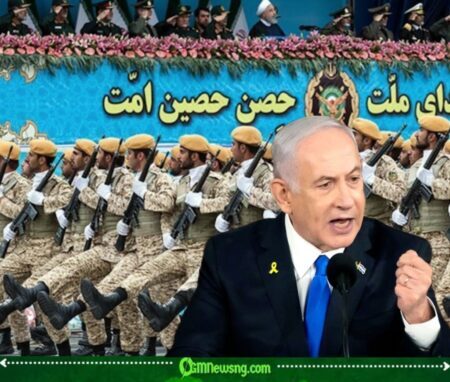








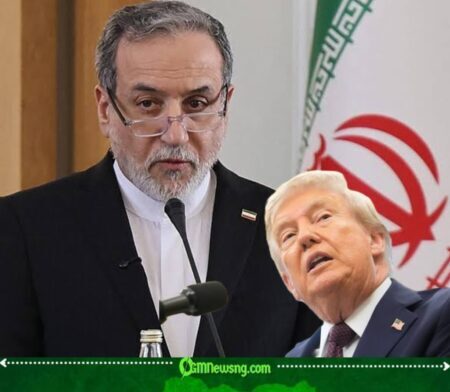
Iran said it is prepared for the possibility of a ground invasion and has rejected negotiations with the United States, signaling a hardened stance as tensions escalate. Officials in Tehran argue that previous diplomatic efforts ended with military strikes, which they say undermined trust in future talks. The country’s leadership insists it will focus on defending its territory rather than returning to negotiations under current conditions.
Iran warned that its armed forces have prepared for a wide range of scenarios, including direct confrontation with American troops. The country’s foreign minister said Tehran has not requested a ceasefire and believes its military can handle any escalation if the conflict expands further.
The statements come amid an increasingly volatile regional environment where missile attacks, drone strikes, and military deployments have intensified. Analysts caution that the situation remains fragile and that further escalation could draw additional countries into the conflict.
Rising Military Tensions in the Region
Iran said the confrontation developed after a series of strikes and counter-strikes that targeted strategic facilities and military assets. Officials claim these attacks forced the country to shift its posture from cautious diplomacy to full defensive readiness.
Regional observers note that the buildup of military forces and heightened rhetoric from multiple governments have created a climate of uncertainty across the Middle East. Diplomatic channels remain active, but progress toward de-escalation has been limited.
Iran warned that continued pressure could destabilize the wider region, particularly if military operations expand beyond current areas of conflict. Leaders argue that the situation now reflects a broader struggle over regional influence and sovereignty.
Tehran Rejects Negotiations With Washington
Iran said negotiations with Washington are not currently an option because past diplomatic efforts collapsed during ongoing military actions. Officials argue that previous talks were followed by strikes that damaged trust between the two sides.
Diplomatic analysts say this rejection reflects deep skepticism within Tehran about the prospects of meaningful negotiations. Attempts by international mediators to reopen dialogue have faced significant obstacles as tensions continue to rise.
Iran maintained that its priority now is strengthening defensive capabilities rather than pursuing discussions that it believes may not be conducted in good faith.
Military Preparedness and Strategic Signals
Iran said its defense forces have spent years preparing for potential large-scale confrontation with powerful adversaries. Military planners emphasize that the country’s strategy includes layered defenses, regional partnerships, and rapid response capabilities.
Security experts note that the country’s large population, challenging terrain, and significant military manpower could complicate any attempt at a ground invasion. These factors have long been cited as reasons why such an operation would be risky.
Iran has also used firm public messaging as part of its deterrence strategy. Leaders often signal confidence in their ability to withstand pressure in order to discourage adversaries from escalating further.
Global Concerns Over Escalation
Iran said the crisis is being closely watched by governments around the world concerned about the risk of a broader regional war. Several countries have called for restraint and renewed diplomatic engagement to prevent further escalation.
Energy markets have also reacted nervously to the ongoing tensions. Instability in the Middle East often influences global oil prices, shipping routes, and trade flows, making the situation a matter of international economic concern.
Iran argued that its actions are aimed at defending national sovereignty and responding to external military pressure. Officials say the country will continue monitoring developments while maintaining readiness for further confrontation.
Possible Paths Forward
Iran said the coming weeks may determine whether the conflict escalates further or eventually shifts back toward diplomacy. Political observers note that many conflicts pass through periods of intense rhetoric before negotiations become possible again.
Foreign policy specialists say international mediators may continue attempting to reopen channels for dialogue even as public statements remain defiant. Such back-channel diplomacy has historically played a role in easing tensions during crises.
Iran concluded that it will remain prepared for any scenario, including a potential ground invasion, while maintaining its current refusal to enter negotiations with the United States.
Table of Contents
Discover more from OGM News NG
Subscribe to get the latest posts sent to your email.