







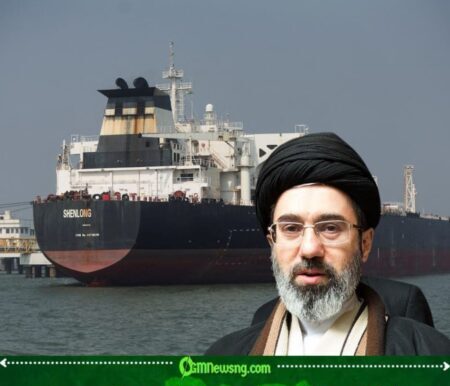
Iran is reportedly considering allowing a limited number of oil tankers to pass through the strategic Strait of Hormuz under a specific financial condition tied to currency settlement. Iran is exploring a proposal in which ships carrying oil cargo could transit the vital maritime chokepoint only if the transactions for those shipments are conducted using Chinese yuan rather than the U.S. dollar.
The potential policy shift reflects the growing economic and geopolitical tensions shaping global energy markets during the ongoing regional conflict. The Strait of Hormuz is one of the most important shipping lanes in the world, handling roughly a fifth of global oil exports, making any disruption there a major concern for international trade and energy security.
Shipping through the narrow waterway has already been severely disrupted due to military tensions, with many vessels avoiding the route entirely and global energy markets experiencing volatility as a result. Analysts say even small changes in access to the strait can quickly affect oil prices and supply chains worldwide.
Strategic Energy Route Under Pressure
Iran has repeatedly signaled that it retains strong military control over the strait and could restrict passage as part of its broader strategy in the regional conflict. Iran’s control over the narrow waterway gives Tehran significant leverage over international shipping and energy flows.
The Strait of Hormuz connects the Persian Gulf with global maritime trade routes and is considered one of the most strategically sensitive energy corridors in the world. A prolonged closure or severe restrictions could disrupt the movement of millions of barrels of oil per day, affecting economies far beyond the Middle East.
Recent reports indicate that commercial traffic in the strait has dropped dramatically since the conflict intensified. Vessel tracking data shows that many tankers are either waiting offshore or rerouting shipments to avoid potential attacks and insurance risks.
Iran Links Oil Transit to Yuan Transactions
Iran’s proposal to allow limited tanker access tied to yuan-based oil payments highlights a broader economic dimension of the conflict. Iran has long faced financial restrictions and sanctions that limit its access to international banking systems dominated by the U.S. dollar.
By encouraging oil transactions in Chinese yuan, Tehran could strengthen economic ties with Beijing while simultaneously challenging the dominance of the dollar in global energy markets. Such a shift would represent a significant development in the evolving geopolitical competition surrounding energy trade.
Economists note that the majority of global oil transactions are traditionally priced and settled in U.S. dollars. A move toward alternative currencies—even on a limited scale—could have long-term implications for international finance and global trade structures.
Regional Shipping Disruptions Continue
Shipping activity around the strait remains extremely limited as military tensions continue to affect maritime security. Tanker operators, insurers, and shipping companies have been reluctant to send vessels through the area due to the risk of missile strikes, mines, or drone attacks.
Several ships have attempted to transit the waterway while taking unusual precautions, including disabling tracking systems or broadcasting signals indicating Chinese ownership in hopes of avoiding potential attacks.
Industry experts say the uncertainty has forced shipping companies to reconsider global supply routes, sometimes redirecting vessels around Africa or delaying shipments until the security situation improves.
Iran’s Economic Strategy Amid Sanctions
Iran has increasingly relied on alternative trading mechanisms to maintain oil exports despite international sanctions and financial restrictions. Iran has developed complex shipping networks and so-called “shadow fleets” to move crude oil to buyers, particularly in Asia.
China has emerged as one of Iran’s most important energy customers, purchasing significant volumes of Iranian oil despite Western sanctions. The potential yuan-based shipping proposal could further strengthen this economic relationship.
Energy analysts say Tehran’s strategy reflects both economic necessity and geopolitical calculation. By tying shipping access to currency preferences, Iran may attempt to reshape aspects of global oil trade while rewarding countries that maintain economic cooperation.
Global Markets Watch the Strait Closely
The possibility of conditional tanker access through the strait is being closely monitored by governments, energy traders, and financial institutions around the world. Even small changes in shipping policy can influence oil prices, insurance costs, and market expectations.
Any sustained disruption to the waterway could have far-reaching consequences for global economic stability, given how heavily international energy markets depend on the route.
For now, the situation remains fluid as military tensions, diplomatic efforts, and economic strategies continue to shape decisions surrounding one of the world’s most critical maritime chokepoints. Analysts say the coming weeks will likely determine whether the strait gradually reopens or remains a flashpoint in the ongoing geopolitical crisis.
Table of Contents
Discover more from OGM News NG
Subscribe to get the latest posts sent to your email.