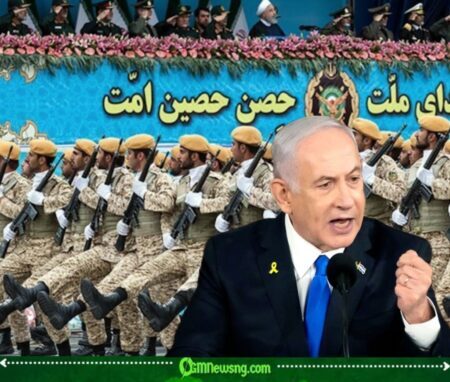






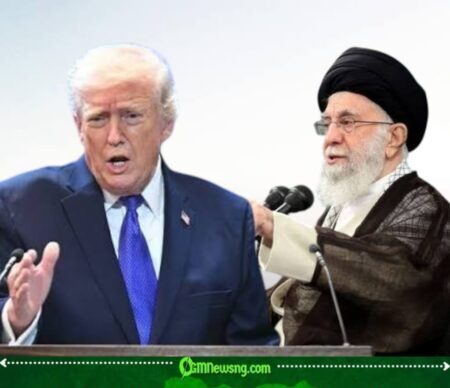
Iran declared that its response would be “broad and unlimited” if the United States or Israel were to initiate military action, escalating rhetoric at a time of heightened regional uncertainty. The statement, delivered through official channels, underscored Tehran’s position that any direct confrontation would trigger a sweeping countermeasure.
Iran framed its warning as defensive in nature, asserting that it does not seek conflict but will respond decisively to what it describes as aggression. Officials emphasized deterrence, arguing that clear red lines are intended to prevent miscalculation by adversaries.
Iran’s remarks come amid ongoing tensions tied to regional security dynamics, nuclear negotiations, and proxy conflicts that have defined Middle Eastern geopolitics for years. Observers note that rhetoric of this magnitude often reflects both domestic signaling and international posturing.
Regional Security Calculations
Iran has long maintained that its military capabilities are structured around deterrence rather than expansion. Its leadership argues that strategic depth and asymmetric capabilities serve as safeguards against foreign intervention.
Iran’s warning follows a period of increased military readiness in the region, with both the United States and Israel conducting exercises and reaffirming security commitments. Analysts suggest that public statements may be designed to signal resolve while avoiding direct confrontation.
Regional experts caution that escalatory language can heighten risks of misunderstanding. In volatile environments, even limited incidents have the potential to spiral if communication channels are strained.
Diplomatic Channels and International Reactions
Iran has simultaneously signaled openness to diplomacy, particularly in relation to nuclear negotiations and sanctions relief. Officials have indicated that dialogue remains possible, though they insist it must be grounded in mutual respect and guarantees.
International actors, including European governments and regional partners, have urged restraint on all sides. Diplomatic sources say efforts are underway to prevent further deterioration of relations.
Global markets reacted cautiously to the rhetoric, with energy prices reflecting concern over potential supply disruptions. The Middle East’s strategic importance to global oil flows means that any conflict scenario carries economic implications far beyond the region.
Iran and the Prospect of Direct Conflict
Iran’s assertion of an “unlimited” response has drawn scrutiny from defense analysts who assess the country’s conventional and unconventional capabilities. These include missile systems, naval assets in the Persian Gulf, and relationships with allied groups across the region.
Iran’s leadership has repeatedly emphasized that deterrence is rooted in preparedness. Military commentators note that Tehran’s strategy often relies on calibrated responses designed to signal strength without triggering full-scale war.
U.S. and Israeli officials have maintained that they are prepared to defend their interests and allies if necessary. Public statements from both governments stress that their actions are intended to prevent escalation rather than provoke it.
Military Readiness and Strategic Messaging
Iran continues to conduct military drills and publicize defense developments, reinforcing its message of readiness. State media frequently highlight advancements in missile and drone technology as symbols of national resilience.
Defense analysts observe that strategic messaging serves dual purposes: reassuring domestic audiences and warning external actors. Such messaging can influence diplomatic calculations by demonstrating capability and resolve.
At the same time, experts warn that rhetoric must be balanced carefully. Escalation through words alone can harden positions and narrow diplomatic space.
Broader Implications for Stability
Iran’s statement illustrates the fragility of current regional dynamics, where unresolved disputes intersect with global power competition. Observers argue that sustained diplomatic engagement remains essential to reducing the likelihood of direct confrontation.
Regional stability depends not only on military deterrence but also on economic cooperation and confidence-building measures. The interplay between sanctions, security guarantees, and nuclear policy continues to shape negotiations.
Whether tensions subside or intensify will depend on decisions made in Washington, Jerusalem, and Tehran. For now, the warning highlights the high stakes involved, as all sides navigate a complex landscape where miscalculation could carry profound consequences.
Table of Contents
Discover more from OGM News NG
Subscribe to get the latest posts sent to your email.