




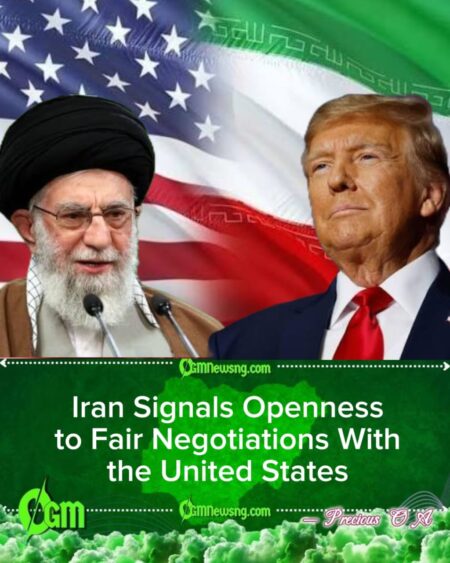
Iran said it is prepared to engage in what it described as fair and balanced negotiations with the United States, signaling a possible opening in a relationship long defined by mistrust and stalled diplomacy. The remarks were delivered through official channels and emphasized dialogue over confrontation.
Officials framed the position as conditional, stressing that talks would need to respect mutual interests and avoid coercive pressure. The statement did not outline a specific timeline but suggested readiness to explore diplomatic pathways if circumstances allow.
Observers noted that the language marked a subtle shift in tone, emphasizing negotiation as a preferred mechanism while maintaining long-standing policy positions.
Conditions for Engagement
Iran emphasized that any negotiations must be grounded in equality, with neither side imposing unilateral demands. Officials argued that previous talks faltered because of what they described as imbalances and lack of sustained commitment.
Diplomatic sources said Tehran remains cautious, pointing to past agreements that unraveled amid changing political dynamics. As a result, officials highlighted the need for guarantees and clear frameworks before formal talks proceed.
Analysts noted that such conditions reflect lessons drawn from earlier diplomatic experiences, shaping a more guarded approach to renewed engagement.
Iran and Regional Stability
Iran linked its willingness to negotiate to broader concerns about regional stability, arguing that dialogue could help reduce tensions across the Middle East. Officials said unresolved disputes often fuel uncertainty and undermine economic development.
The statement suggested that constructive engagement could contribute to de-escalation, particularly if talks address security concerns alongside economic issues. Tehran reiterated support for multilateral solutions involving regional stakeholders.
Regional analysts said this framing positions negotiations as part of a wider effort to stabilize a volatile geopolitical landscape.
International Reactions
Iran’s remarks drew measured responses from international observers, many of whom welcomed the emphasis on diplomacy while urging clarity on next steps. European officials, in particular, reiterated support for dialogue as a means of preventing escalation.
Some governments expressed caution, noting that rhetoric alone does not guarantee progress. They emphasized the importance of confidence-building measures to demonstrate commitment on both sides.
Diplomatic experts said global reactions reflect a blend of optimism and realism shaped by past negotiation cycles.
Economic Considerations
Iran highlighted economic factors as a key motivation for renewed talks, citing the impact of prolonged tensions on trade and investment. Officials argued that diplomatic engagement could open pathways for economic stabilization.
Economists noted that sanctions and uncertainty have constrained growth, making negotiations an attractive option for easing pressures. However, they cautioned that economic benefits would depend on the scope and durability of any agreement.
The linkage between diplomacy and economic outcomes underscores the practical incentives behind Tehran’s statements.
Iran in a Shifting Global Order
Iran framed its position within an evolving international system, emphasizing the role of dialogue in a multipolar world. Officials argued that cooperation, rather than confrontation, better serves long-term national interests.
The statement referenced partnerships with non-Western countries, suggesting that negotiations with Washington would complement, rather than replace, existing diplomatic relationships.
Analysts said this reflects a strategy of diversification, maintaining multiple channels of engagement to navigate global power shifts.
Domestic Perspectives
Iran’s announcement also resonated domestically, where opinions on negotiations vary. Some political figures support engagement as a means to improve economic conditions, while others remain skeptical of U.S. intentions.
Officials acknowledged these debates, emphasizing that any talks would prioritize national sovereignty and public interest. Transparency and consultation, they said, would be important in shaping public confidence.
Domestic dynamics are expected to influence both the pace and substance of any future negotiations.
Role of Multilateral Frameworks
Iran reiterated support for multilateral diplomacy, suggesting that international institutions could help facilitate fair negotiations. Officials argued that broader participation can enhance credibility and balance.
Diplomatic observers noted that multilateral frameworks often provide mechanisms for monitoring and dispute resolution, addressing concerns raised by past experiences.
Such approaches may appeal to stakeholders seeking stability and predictability in negotiations.
Looking Ahead
Iran concluded its remarks by emphasizing openness to dialogue while reiterating caution. Officials said readiness for negotiations does not equate to concessions, underscoring the importance of reciprocity.
Analysts suggest that the coming months will be critical in determining whether rhetoric translates into concrete diplomatic engagement. Signals from Washington and intermediaries are likely to shape the trajectory.
While uncertainties remain, the statement adds a new dimension to ongoing discussions about the future of U.S.–Iran relations, highlighting diplomacy as a possible path forward.
Table of Contents
Discover more from OGM News NG
Subscribe to get the latest posts sent to your email.