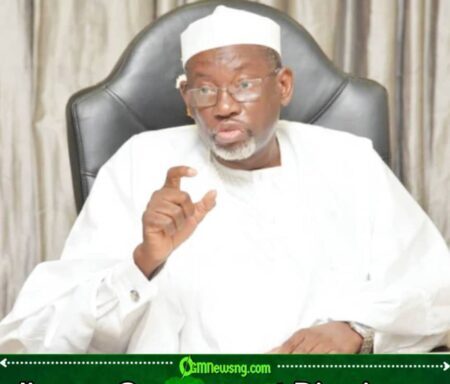






Hon. James Faleke, Chairman of the House Committee on Finance, announced the conclusion of an intense negotiation process between the House and Senate Joint Conference Committee over Nigeria’s highly anticipated Tax Reform Bills. According to James Faleke, the final harmonized version of the bills is now ready for presentation to both legislative chambers—a significant milestone in Nigeria’s fiscal history.
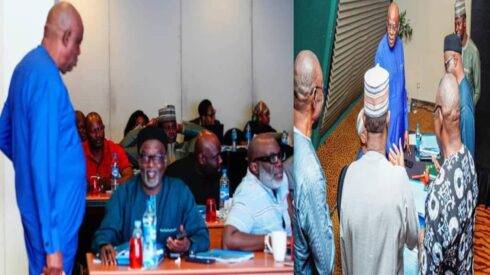
In a statement that underscored the magnitude of the achievement, James Faleke detailed how the deliberations stretched from Thursday night through to Saturday morning. He credited the bipartisan commitment and deep patriotic resolve of the members involved. The conference, chaired on the Senate side by Senator Sani Musa, saw lawmakers navigate complex fiscal disagreements and legal bottlenecks that had stalled progress for months.
Behind the Curtains: Sleepless Nights, Hidden Rifts, and Fiscal Controversy
James Faleke opened up about the relentless grind that characterized the final stages of the Tax Reform Bills, noting that lawmakers toiled overnight in what he described as a “critical national duty.” However, sources close to the deliberations revealed that sharp ideological divisions nearly derailed the process, with heated debates over proposed VAT realignment, digital tax policy, and petroleum revenue restructuring.
Despite public optimism, the intense closed-door sessions were marred by political brinkmanship, regional tensions, and whispered allegations of lobbying by elite economic interests. Critics argue that the final bill may favor large corporations and federal dominance over tax matters, raising concerns about equity and fiscal federalism.
James Faleke Salutes Musa, but Critics Question Transparency and Public Input
In his statement, James Faleke lavished praise on Senator Sani Musa, leader of the Senate Committee on Finance, highlighting his diplomatic skill and policy depth. Yet, the hasty manner in which the conference concluded its work—without wider public hearings or civil society input—has sparked backlash from tax justice advocates who say the process was opaque and exclusionary.
Transparency advocates argue that a reform of this scale should have undergone broader consultation, especially with organized labor, state governments, and small business stakeholders. “This isn’t just a legislative exercise—it’s a social contract,” one analyst said. “People should have had a voice in it.”
What the Tax Reform Bills Mean for the Average Nigerian
James Faleke emphasized that the new tax framework is designed to stimulate economic growth, reduce loopholes, and enhance revenue generation. The reform reportedly includes measures to widen the tax net, modernize tax collection, and reduce overdependence on oil income. Yet, the actual impact on everyday Nigerians remains murky.
Experts warn that without proper safeguards, the new reforms could disproportionately affect low-income earners and small businesses. Questions remain about whether the proposed digital economy tax and excise adjustments will lead to inflationary pressures, stifle entrepreneurship, or exacerbate inequality in an already fragile economy.
State Governors and Civil Society Remain Wary of Federal Overreach
Although Faleke projected unity and accomplishment, reactions from some state governors and civil society groups have been lukewarm. Several state leaders reportedly expressed fears that the federal government is further centralizing tax powers, which could undermine state autonomy and local economic planning.
Critics point to the lack of clarity on revenue-sharing formulas and the risk of duplicative taxation. “There’s a fine line between reform and power grab,” one civil society leader noted. James Faleke, however, dismissed these concerns as unfounded, assuring that the bills respect the constitutional distribution of fiscal responsibilities.
Faleke’s Closing Note Sparks Hope—and Skepticism
In a statesmanlike close to his statement, Faleke invoked divine blessings on Nigeria and praised the resilience of all involved. While his tone was hopeful and confident, skepticism lingers in the public sphere. Many citizens are waiting to see whether the new laws will translate into improved infrastructure, job creation, and economic relief.
As the bills head to the final reading in both chambers, the spotlight remains firmly on the National Assembly. Will this be the reform that changes Nigeria’s tax culture, or just another elite-centric fiscal maneuver? James Faleke may have lit the torch—but only time will reveal the true impact of this controversial legislative sprint.
Table of Contents
Discover more from OGM News NG
Subscribe to get the latest posts sent to your email.