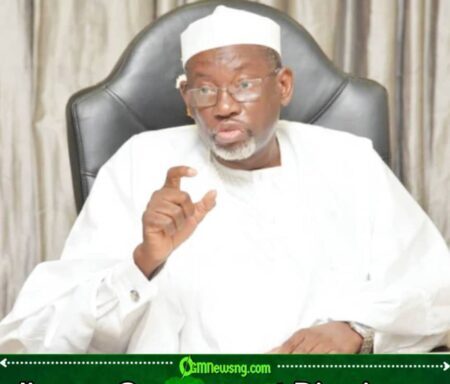







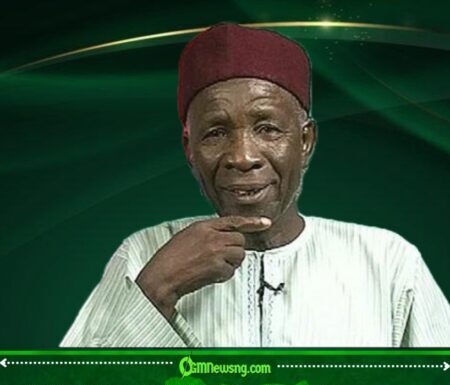
A chieftain of the New Nigeria Peoples Party (NNPP), Buba Galadima, has cautioned that Nigerians may channel their frustration through the ballot box in 2027 if economic hardship and insecurity continue under the administration of the All Progressives Congress (APC).
Speaking during an appearance on Politics Today, Galadima criticised the ruling party’s policies and dismissed claims that living conditions have improved. He argued that public anger, if not addressed, could translate into significant political consequences at the next general election.
Warning Against Underestimating Public Frustration
Galadima warned authorities not to underestimate the depth of public dissatisfaction, particularly amid reports of arrests linked to public commentary. He cited instances in Kano where, according to him, young men were detained after expressing opinions on radio programmes.
He expressed concern that such actions could intensify public resentment rather than calm tensions. According to him, small signs of discontent, if ignored, could escalate into broader unrest. He urged leaders to avoid assuming that citizens would remain passive in the face of hardship.
The NNPP chieftain maintained that Nigerians are politically aware and capable of responding decisively when they feel aggrieved. He stressed that democratic systems provide lawful avenues, particularly elections, through which citizens can express approval or disapproval of governance.
Galadima Drawing Parallels with the 2015 Election
Referencing the 2015 general election, Galadima recalled how voters removed the administration of former President Goodluck Jonathan amid widespread concerns over insecurity, especially in the North-East.
He argued that the circumstances leading to that political shift were less severe than the current challenges facing the country. According to him, the 2015 outcome demonstrated Nigerians’ willingness to hold leaders accountable through democratic means.
Galadima suggested that if voters could unseat a sitting government over insecurity at that time, the ruling APC should not dismiss the possibility of a similar electoral reaction in 2027 should present conditions persist.
Galadima Concerns Over Agriculture and Economic Policy
Beyond security concerns, Galadima accused the Federal Government of weakening the agricultural sector through import policies and rising production costs. He criticised the high cost of fertiliser, stating that many farmers now pay between ₦60,000 and ₦70,000 per bag.
He argued that farmers, who constitute a significant portion of Nigeria’s population, are being disproportionately affected. According to him, heavy grain importation and rising input costs risk discouraging local production and undermining rural livelihoods.
Citing a recent visit to Maiduguri, Galadima claimed that dry-season farming activity had declined markedly. He warned that if local agricultural productivity continues to fall, rice mills established during the administration of former President Muhammadu Buhari could face closure due to insufficient supply.
Galadima’s remarks underscore mounting political debate ahead of the 2027 general election. While the Federal Government maintains that reforms are underway to stabilise the economy and improve security, opposition voices argue that urgent adjustments are needed to ease hardship and restore public confidence.
As Nigeria approaches another electoral cycle, the interplay between governance, economic performance, and voter sentiment is likely to remain central to national discourse.
Table of Contents
Discover more from OGM News NG
Subscribe to get the latest posts sent to your email.