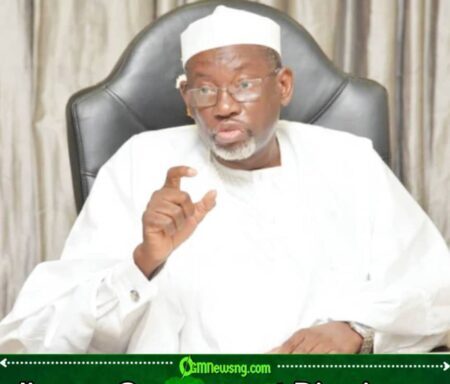







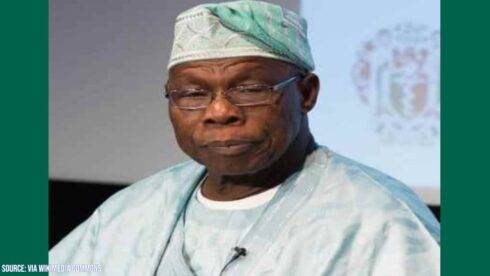
Former Nigerian President Olusegun Obasanjo has ignited intense discussions following his open acknowledgment of Ifa, the Yoruba divination system, despite his strong Christian faith. Speaking at a cultural preservation event in Abeokuta, Ogun State, Olusegun Obasanjo underscored the importance of safeguarding African traditions, particularly the Yoruba spiritual and cultural heritage. By openly expressing his respect for Ifa, Olusegun Obasanjo emphasized the need to honor indigenous practices while embracing religious beliefs, sparking conversations on the delicate balance between faith and culture in Nigeria’s diverse society.
Olusegun Obasanjo’s bold statement highlights the ongoing tension between traditional African spirituality and foreign religions such as Christianity and Islam, which dominate Nigeria’s religious landscape. His remarks have not only reignited debates on the coexistence of these belief systems but also underscored the significance of cultural identity in a globalized world. As a respected elder statesman, his words carry weight, challenging Nigerians to critically assess the value of their heritage and its place alongside modern religious ideologies.
The Call for Cultural Preservation: A Crisis of Identity?
During the event, Olusegun Obasanjo emphasized the urgent need to preserve African cultural heritage, lamenting the erosion of indigenous practices, languages, and traditions. “For whatever reason, we must preserve our culture. We must not joke with our culture,” he said passionately, warning against the continued relegation of African identity in favor of foreign influences.
The former president decried the diminishing importance of indigenous languages and traditional practices, stressing that they are “authentic” and integral to African identity. He further challenged the notion that the Yoruba language is vernacular, urging Nigerians to embrace and celebrate their roots unapologetically.
Religion vs. Tradition: A Balancing Act
Olusegun Obasanjo’s acknowledgment of Ifa, a cornerstone of Yoruba spirituality, despite being a devout Christian, underscores the complexities of religious pluralism in Nigeria. “I am a Christian. I attended two churches today, but that does not mean I should forget my culture,” he stated, advocating for a harmonious coexistence of traditional beliefs and modern religions.
His declaration, “Whoever says Ifa is nothing, I will say that person is a big fool,” has sparked both support and criticism. While some laud his courage in defending African spirituality, others see it as contradictory to Christian doctrines, further fueling debates on religious tolerance and cultural authenticity.
Ifa Orunmila: A Window into Yoruba Spirituality
Ifa, rooted in Yoruba cosmology, is a system of divination and wisdom passed down through generations. It is personified by Orunmila, a deity revered as the custodian of destiny and knowledge. Olusegun Obasanjo’s reference to the Ifa aphorism, “Olorun lo mo eni to ma la” (It is Heaven that knows who will be saved), resonates with themes of predestination and divine insight.
His remarks shine a spotlight on the enduring relevance of Ifa in Yoruba culture, even amidst the dominance of Christianity and Islam. For many, this serves as a reminder of the rich spiritual heritage that predates foreign religious influences in Nigeria.
Critics Speak Out: A Clash of Beliefs
Unsurprisingly, Olusegun Obasanjo’s remarks have drawn mixed reactions. Critics from conservative Christian groups have accused him of promoting syncretism, arguing that such endorsements of traditional practices could dilute Christian values. Some also view his comments as politically motivated, aimed at appealing to cultural nationalists.
On the other hand, advocates of cultural preservation have hailed his stance as a bold move toward decolonizing African minds. They argue that his words challenge the stigma often associated with indigenous practices, which have been unfairly labeled as primitive or demonic.
The Bigger Picture: Redefining African Identity
Obasanjo’s statement has reignited broader discussions on African identity in a globalized world. As globalization continues to erode cultural uniqueness, his call to preserve Africa’s rich heritage resonates with those advocating for a return to authenticity. It underscores the need for Africans to reclaim and celebrate their traditions without shame or apology.
The debate also raises questions about the role of leaders in shaping cultural narratives. Obasanjo’s influence as a respected elder statesman gives weight to his words, challenging Nigerians to reflect on what it means to truly honor their heritage in a rapidly changing world.
Table of Contents
Discover more from OGM News NG
Subscribe to get the latest posts sent to your email.