





The Federal Government (FG) has officially declared Friday, June 6, and Monday, June 9, 2025, as public holidays in honor of the Eid-ul-Adha celebrations. The announcement, made by Minister of Interior Olubunmi Tunji-Ojo through a statement by the ministry’s Permanent Secretary, Magdalene Ajani, has drawn mixed reactions across the nation, particularly in the face of Nigeria’s mounting economic uncertainty.
While the holiday aims to honor the Islamic values of sacrifice and obedience exemplified by Prophet Ibrahim (Peace Be Upon Him), critics argue that the timing of a double public holiday further slows productivity at a time when Nigeria’s GDP growth is fragile and inflation continues to skyrocket. The gesture, though symbolically meaningful, raises pressing questions about economic prioritization versus religious observance in national planning.
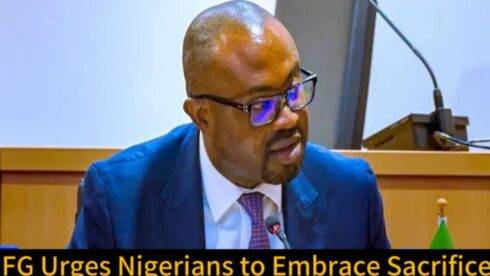
FG Urges Nigerians to Embrace Sacrifice – But Who’s Making the Real Sacrifices?
The FG, through the Ministry of Interior, urged citizens to reflect on the values of sacrifice, obedience, and faith during the Eid-ul-Adha period. Minister Tunji-Ojo emphasized that this is a time to not only celebrate but to pray for peace, unity, and national progress. However, many Nigerians question whether the call to sacrifice is being applied equally across socio-economic classes.
Amid rising costs of living, fuel price instability, and job cuts, citizens argue that they have been making unrelenting sacrifices for years—often without reciprocation from the political elite. With government officials still enjoying excessive perks and foreign trips, the Eid message of shared sacrifice appears hollow to many in the struggling middle and lower-income brackets.
Renewed Hope Agenda: Celebratory Optics or Substantial Reform?
The Federal Government reiterated its dedication to the Renewed Hope Agenda championed by President Bola Tinubu, describing it as a people-centered reform strategy designed to revive national growth. The public holidays, according to the Ministry of Interior, are part of a broader campaign to restore cultural values and strengthen national unity through inclusive policies.
Yet, policy analysts remain skeptical about the tangible results of the Renewed Hope initiative, especially when juxtaposed against rising unemployment and worsening access to healthcare and education. Critics say that beyond press releases and holiday declarations, the government has failed to roll out reforms that trickle down to the grassroots, where “hope” is still a distant aspiration.
Public Holidays vs. Productivity: An Expensive Pause for a Fragile Economy
The FG’s declaration of back-to-back public holidays has reignited an age-old debate about the economic impact of non-working days in Nigeria. With private sector actors and informal workers already grappling with inconsistent cash flow, another round of federal holidays is seen as a blow to economic output, especially in the manufacturing and service sectors.
SMEs, which account for over 80% of Nigeria’s employment, often bear the brunt of such nationwide pauses. While faith-based observances are critical to national identity, critics argue that unstrategic holiday planning undermines productivity and global competitiveness—particularly when not matched with improved social infrastructure or public service delivery.
Diaspora Inclusion or Domestic Distraction? FG’s Outreach Faces Backlash
The Federal Government extended its Eid-ul-Adha congratulations to Muslims in the Diaspora, a move intended to signify national inclusivity and global cultural pride. The message urged Nigerians abroad to remain connected to their homeland and contribute to its development—particularly through remittances and investment.
However, many within the Diaspora have labeled the outreach as “symbolic noise” without substance. With embassies underfunded, consular services often dysfunctional, and dual citizens frequently marginalized, critics view the FG’s Diaspora messaging as a political distraction rather than a genuine engagement. Calls are growing louder for a policy shift from rhetoric to reciprocity, where actual reforms support Nigerians living abroad.
A Joyful Celebration or a Mask for Deepening Divides?
The Federal Government concluded its announcement by wishing Muslims a joyous and peaceful celebration, urging national solidarity. The Eid season, typically a time of generosity and family reunion, is expected to see an uptick in local travel, communal feasts, and charity efforts. However, this surface-level joy may not reflect the mood of a nation grappling with existential challenges.
With ethnic tensions still simmering in parts of the North, labor unrest on the rise, and cost-of-living protests gaining momentum in urban centers, critics argue that public holidays risk becoming escapist veneers masking a powder keg of socio-political dissatisfaction. As Nigerians gather to celebrate, the absence of long-term socioeconomic solutions hangs ominously over the nation’s collective joy.
Table of Contents
Discover more from OGM News NG
Subscribe to get the latest posts sent to your email.