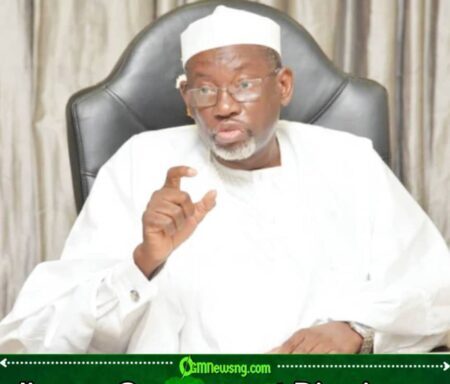


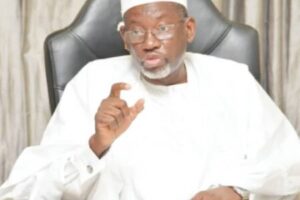



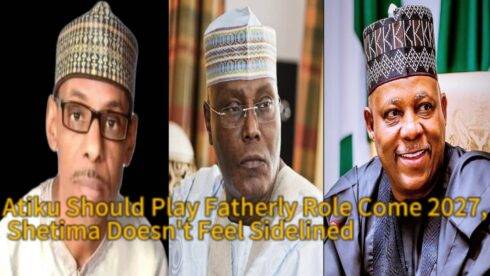
Hakeem Baba-Ahmed, a respected elder statesman and seasoned public intellectual, has sparked intense political debate by openly advising former Vice President Atiku Abubakar to step aside in the 2027 presidential race. In a pointed reflection, Baba-Ahmed stated, “If I would have the chance to sit with Atiku, I would tell him it’s time to yield the ground for a younger person; don’t run in 2027, play a fatherly role.” The remark, while couched in diplomacy, resonated like a clarion call for leadership renewal in Nigeria’s political architecture.
The statement strikes at the heart of Nigeria’s political recycling dilemma, where aging political figures continue to dominate the scene despite growing youth agitation. Baba-Ahmed’s counsel aligns with growing grassroots demands for generational equity in governance. His emphasis on Atiku assuming a “fatherly role” suggests a paradigm shift where mentorship overtakes ambition—a rare but necessary pivot in a democracy yearning for fresh ideas.
Youth Versus Experience: The Deepening Rhetoric on Leadership Renewal
Hakeem Baba-Ahmed emphasized that Nigeria cannot afford to remain tethered to political figures whose ideas were shaped in a vastly different era. According to him, while Atiku’s contributions to democracy cannot be dismissed, “the time has come for statesmen to step aside and nurture new voices with clearer visions and longer futures.” This, he argues, is a selfless act of patriotism—not political cowardice.
This generational discourse underscores a wider continental concern as aging African leaders increasingly face pressure to pass the baton. By suggesting Atiku play a “fatherly role,” Hakeem Baba-Ahmed isn’t merely advocating for age-based retirement but for a profound ideological reset. Leadership, in his view, should be forward-facing, innovative, and digitally literate—traits more prevalent in younger demographics.
Tinubu-Shettima Dynamics: “There’s No Grievance”—Baba-Ahmed Dispels Rumors
Hakeem Baba-Ahmed also addressed speculation about tension within Nigeria’s presidency, especially between President Bola Tinubu and Vice President Kashim Shettima. “I don’t think Shettima feels he has been sidelined,” he stated confidently. “I don’t think he feels Tinubu has any grievances against him.” This assertion challenges a growing narrative in political circles that Shettima has been marginalized in decision-making.
The comment serves to calm a volatile discourse that has been heating up with rumors of disaffection in the top echelons of government. Baba-Ahmed’s remarks suggest that political distractions are detracting from national priorities, and that fueling internal conflict serves no one. His tone was cautionary, urging the media and the public alike to avoid sensationalist interpretations of routine power dynamics.
North-South Equilibrium and 2027 Calculations: A Strategic Inflection Point
Hakeem Baba-Ahmed cautioned that Nigeria’s political parties must approach 2027 with strategic foresight, especially regarding North-South balancing. “If Atiku runs again, it distorts the optics of regional equity,” he explained, highlighting the delicate fabric of Nigeria’s geopolitical expectations. He believes that repeating old formulas will stoke resentment and alienate emerging voices from both regions.
With Northern Nigeria historically playing a significant role in presidential contests, Hakeem Baba-Ahmed’s statement signals a need for recalibrated alliances. He stresses that sustainable democracy depends on perceived fairness, not just numerical majorities. Any attempt to recycle past figures without a robust national consensus could trigger deeper fissures in the political psyche.
Mentorship, Not Godfatherism: A New Role for Political Veterans
Hakeem Baba-Ahmed clarified that his appeal to Atiku and other senior politicians should not be confused with a call for political godfatherism. “I’m talking about mentorship, not remote control,” he stressed. Nigeria, he argued, needs seasoned minds to guide, not manipulate, the next generation of leaders. This nuanced perspective separates constructive influence from coercive dominance.
He proposes institutional frameworks for political mentoring, where elders play consultative roles without imposing decisions. Nigeria’s polity, according to him, would thrive if veteran politicians institutionalized succession planning rather than clinging to personal ambitions. Such structures would lend stability to transitions and foster a more informed, capable political class.
2027: A Litmus Test for Nigeria’s Democratic Evolution
Looking ahead, Hakeem Baba-Ahmed framed the 2027 elections as a litmus test for whether Nigeria is willing to break from cyclical stasis or revert to old political habits. “We must decide if we are a country of 200 million people or a handful of power brokers recycling themselves every four years,” he said. His rhetoric taps into widespread frustration over limited political mobility in a country bursting with untapped potential.
The path to 2027 will be shaped by the decisions made today. Hakeem Baba-Ahmed’s piercing critique challenges political elites to abandon personal ambitions for national progress. Whether or not his advice is heeded, it has already sparked a necessary national dialogue—one that could define the democratic maturity of Africa’s largest republic.
Table of Contents
Discover more from OGM News NG
Subscribe to get the latest posts sent to your email.