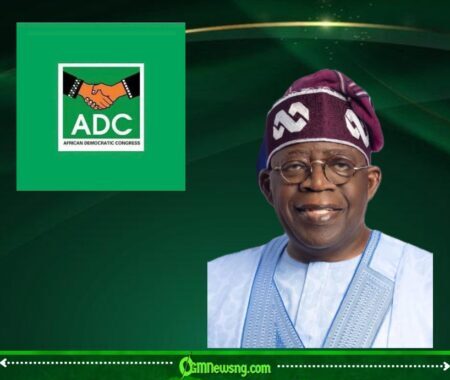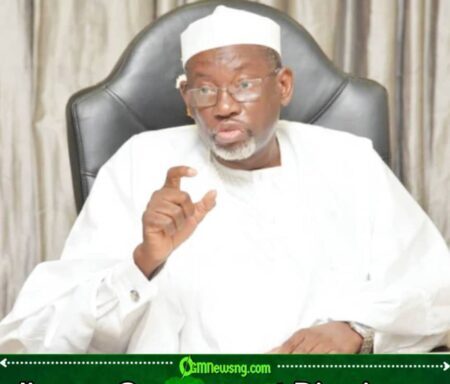

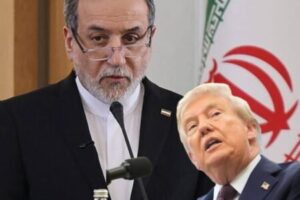

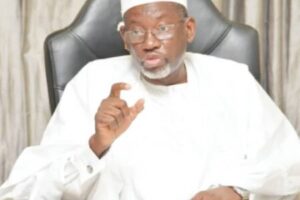


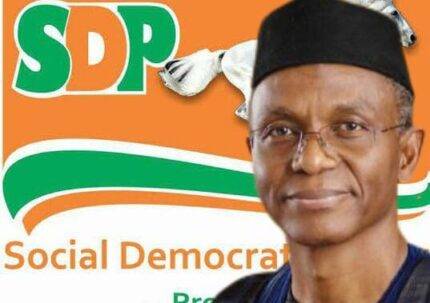
Former Kaduna State Governor, Nasir Ahmad El-Rufai, has officially resigned from the All Progressives Congress (APC) and joined the Social Democratic Party (SDP), citing irreconcilable differences with the party’s leadership. In a statement released on March 10, 2025, El-Rufai expressed disappointment that the APC had deviated from its founding principles and no longer upheld the values that led to its formation.
El-Rufai, a key figure in the APC’s creation in 2013, played a crucial role in securing electoral victories for the party in 2015, 2019, and 2023. However, he lamented that the party had lost its way over the past two years, leading him to seek an alternative platform that aligns with his progressive ideals. “I have raised concerns in private and, more recently, in public regarding the capricious trajectory of the party,” he stated in his resignation letter.
Frustration with APC’s Leadership
In his statement, El-Rufai criticized the APC’s current leadership, accusing it of sidelining party members and undermining internal democracy. He argued that the APC had abandoned its founding mission and was now controlled by individuals who showed little regard for its members’ contributions and aspirations.
He highlighted his administration’s achievements during his tenure as Kaduna governor from 2015 to 2023, including significant reforms in education, healthcare, and infrastructure. However, he lamented that these accomplishments “count for little in the current APC that has castrated its organs and treated its membership with contempt in the last two years.”
The former governor further emphasized that he had attempted to push for reforms within the party but was met with resistance. “There is no desire on the part of those who currently control and run the APC to acknowledge, much less address, the unhealthy situation of the party,” he stated.
El-Rufai’s Next Political Move
Following his departure from the APC, El-Rufai announced that he had joined the SDP, which he described as a platform that better represents his political vision. He revealed that he intends to engage with other opposition leaders to form a broad coalition to challenge the APC in the next elections.
El-Rufai also hinted at ongoing discussions with key figures from other political parties, including the People’s Democratic Party (PDP) faction led by Atiku Abubakar and the Labour Party (LP) faction under Peter Obi. He suggested that efforts were underway to create a united opposition front that could pose a formidable challenge to the ruling party in 2027.
“As a member of the SDP, I am committed to fostering a unified democratic platform to challenge the APC in upcoming elections,” he declared, urging Nigerians who share his concerns about governance to join him in strengthening the party as a viable alternative.
Growing Discontent in APC and Potential Mass Defections
El-Rufai’s defection comes amid growing unrest within the APC, as several key figures are reportedly considering leaving the party. According to political sources, former Minister of Interior Rauf Aregbesola, former Attorney General Abubakar Malami, former Ekiti Governor Kayode Fayemi, and ex-APC National Chairman Abdullahi Adamu are among those in talks to join the SDP.
Additionally, several of El-Rufai’s close allies in Kaduna State have already defected to the SDP in recent weeks, fueling speculation that a major realignment of Nigeria’s political landscape is underway. Analysts believe that if these prominent politicians defect en masse, it could significantly weaken the APC ahead of the next general elections.
Implications for 2027 Elections
El-Rufai’s defection to the SDP signals a potential shift in Nigeria’s political landscape ahead of the 2027 elections. His decision to align with opposition forces raises questions about the future of the APC and whether the ruling party can maintain its dominance without key figures like him.
Political analysts suggest that if a coalition between the SDP, PDP, and LP materializes, it could pose the most significant electoral challenge to the APC since 2015. The coming months will determine whether El-Rufai’s move will inspire a broader opposition movement or whether internal divisions will prevent a unified front.
For now, El-Rufai remains adamant that his political journey with the APC has ended, reaffirming his commitment to progressive governance through the SDP. His defection is not only a personal political move but a significant moment in Nigeria’s evolving democracy, setting the stage for a possible realignment of political forces in the country.
Table of Contents
Discover more from OGM News NG
Subscribe to get the latest posts sent to your email.